How to Say "hidden" in Spanish
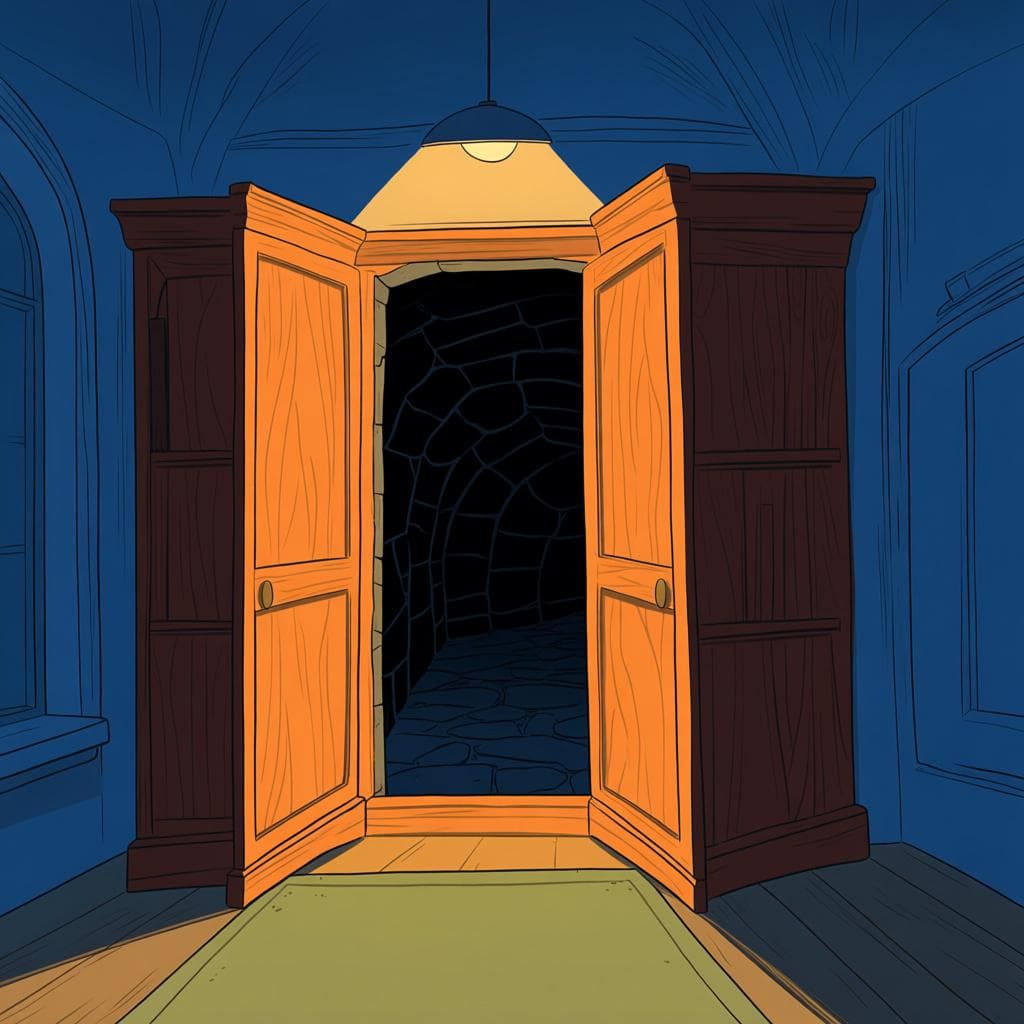
The most common Spanish word for “hidden” is “escondido” — use this for something that is not visible or is difficult to find, often implying it has been deliberately put out of sight.








escondido
es-kon-DEE-doheskonˈdiðo

Examples
Encontraron el tesoro escondido detrás de la cascada.
They found the hidden treasure behind the waterfall.
Siempre guarda su dinero en un lugar bien escondido.
He always keeps his money in a well-hidden place.
Ella tiene un talento escondido para la música.
She has a hidden talent for music.
Agreement is Key
As a describing word, 'escondido' must match the thing it describes in both gender (masculine/feminine) and number (singular/plural): 'la llave escondida' (feminine singular) or 'los juguetes escondidos' (masculine plural).
Forgetting the 'estar'
Mistake: “La caja es escondida.”
Correction: La caja está escondida. ('Escondido' usually describes a temporary state or location, so it almost always uses the verb 'estar' (to be located), not 'ser' (to be permanent).)
cubierta
koo-BYEHR-tahkuˈβjeɾta

Examples
La mesa estaba cubierta con un mantel blanco.
The table was covered with a white tablecloth.
La zona de picnic está cubierta, así que podemos comer aunque llueva.
The picnic area is covered, so we can eat even if it rains.
Adjective Agreement
'Cubierta' is the feminine form. Remember to use 'cubierto' if the thing being described is masculine (e.g., 'El coche está cubierto').
Verb Status
This word comes from the verb 'cubrir' (to cover). When used with 'estar' or 'ser' (to be), it describes a state or condition, just like a descriptive word.
Gender Mismatch
Mistake: “La casa está cubierto.”
Correction: La casa está cubierta. (Since 'casa' is feminine, the description must also be feminine.)
oculto
oh-KUL-tohoˈkulto

Examples
El tesoro permaneció oculto durante siglos.
The treasure remained hidden for centuries.
Encontraron una habitación oculta detrás de la estantería.
They found a hidden room behind the bookcase.
Necesitas buscar un interruptor oculto para abrir la puerta.
You need to look for a concealed switch to open the door.
Agreement is Key
Since 'oculto' is an adjective, it must change its ending to match the noun it describes: 'el lugar oculto' (masculine singular), 'la cámara oculta' (feminine singular), 'los mensajes ocultos' (masculine plural).
Forgetting the 'Ser' or 'Estar'
Mistake: “La llave oculto.”
Correction: La llave está oculta. (The key is hidden.) Remember to use a form of 'ser' or 'estar' before the adjective to form a complete sentence.
secreto
seh-KREH-tohseˈkɾe.to
Examples
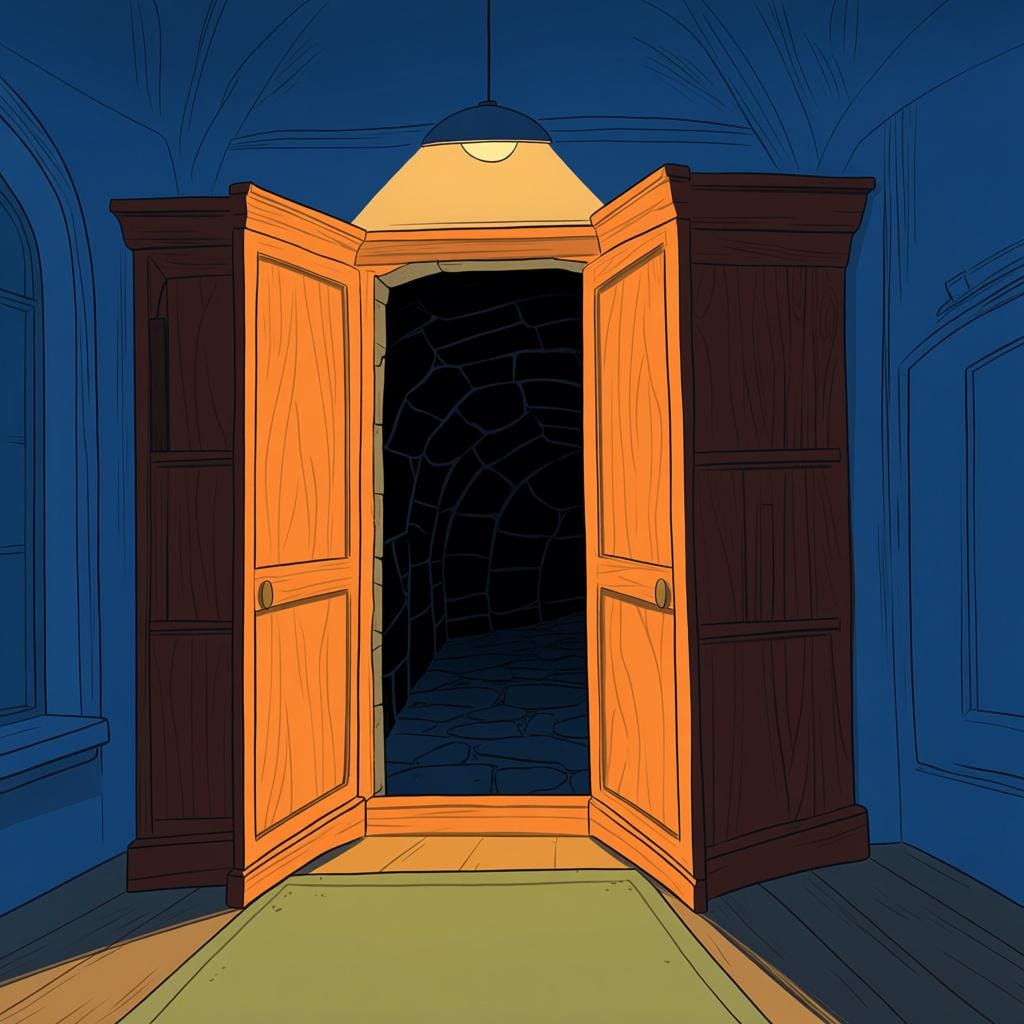
Hay una puerta secreta detrás de la estantería.
There's a secret door behind the bookshelf.
Tuvieron una reunión secreta para discutir el plan.
They had a secret meeting to discuss the plan.
El agente secreto llevaba un micrófono oculto.
The secret agent wore a hidden microphone.
Matching the Noun
When used to describe something, 'secreto' must change its ending to match the noun's gender. Use 'secreto' for masculine things ('un plan secreto') and 'secreta' for feminine things ('una misión secreta').
Forgetting to Change the Ending
Mistake: “Tienen una reunión secreto.”
Correction: Tienen una reunión secreta. (They have a secret meeting.) Because 'reunión' is a feminine word, the adjective describing it must also end in '-a'.
oscuro
oh-SKOO-rohosˈkuɾo

Examples
El autor tiene un estilo de escritura muy oscuro, difícil de seguir.
The author has a very obscure (or complex) writing style, difficult to follow.
La historia de su pasado es bastante oscura y nadie sabe la verdad.
The story of his past is quite obscure/vague, and nobody knows the truth.
Las oscuras motivaciones del villano nunca fueron claras.
The villain's obscure motivations were never clear.
Figurative Use
When 'oscuro' refers to difficulty or complexity, it describes abstract ideas (like a concept, a memory, or an intention) instead of just physical spaces. It keeps the same agreement rules as the literal meaning.
disfrazado
dees-frah-SAH-dohdisfɾaˈsaðo

Examples
El niño está disfrazado de superhéroe.
The boy is dressed up as a superhero.
Ella fue a la fiesta disfrazada de pirata.
She went to the party dressed up as a pirate.
Sus palabras eran un insulto disfrazado de broma.
His words were an insult disguised as a joke.
Matching the Person
This word needs to change its ending to match the person you are talking about. Use 'disfrazado' for a man, 'disfrazada' for a woman, and add an 's' for groups.
The 'As' Connection
To say what someone is dressed up AS, always use the little word 'de' immediately after 'disfrazado'.
Using 'como' instead of 'de'
Mistake: “Estoy disfrazado como un gato.”
Correction: Estoy disfrazado DE un gato. In Spanish, we use 'of' (de) to say what the costume is.
Forgetting the temporary state
Mistake: “Soy disfrazado.”
Correction: Estoy disfrazado. Since wearing a costume isn't a permanent personality trait, always use the verb 'estar'.
encubierto
en-koo-byer-tohenkuˈβjeɾto

Examples
Había una cámara encubierta en la esquina de la habitación.
There was a hidden camera in the corner of the room.
Sus verdaderas intenciones permanecieron encubiertas.
His true intentions remained hidden.
Action vs. Description
This word is also the 'past participle' form of the verb 'encubrir' (to cover up). When used with 'ha' or 'había', it means 'has/had covered up'.
velada
veh-LAH-dahbeˈlaða

Examples
La novia llevaba la cara velada por una fina tela.
The bride had her face veiled by a thin fabric.
Hizo una referencia velada a los problemas de la empresa.
She made a veiled reference to the company's problems.
Agreement Rule
As an adjective, 'velada' must match the thing it describes in number and gender (e.g., 'una crítica velada,' but 'un mensaje velado').
Past Participle Use
This form comes directly from the verb 'velar' (to veil or watch over). It describes something that has been veiled.
ciego
SYEH-goˈθje.ɣo

Examples
Esta es una calle ciega, tenemos que dar la vuelta.
This is a blind street (a dead-end), we have to turn around.
El punto ciego del espejo retrovisor es peligroso.
The blind spot in the rearview mirror is dangerous.
Escondido vs. Oculto
Related Translations
Learn Spanish with Inklingo
Interactive stories, personalized learning, and more.