How to Say "unwell" in Spanish
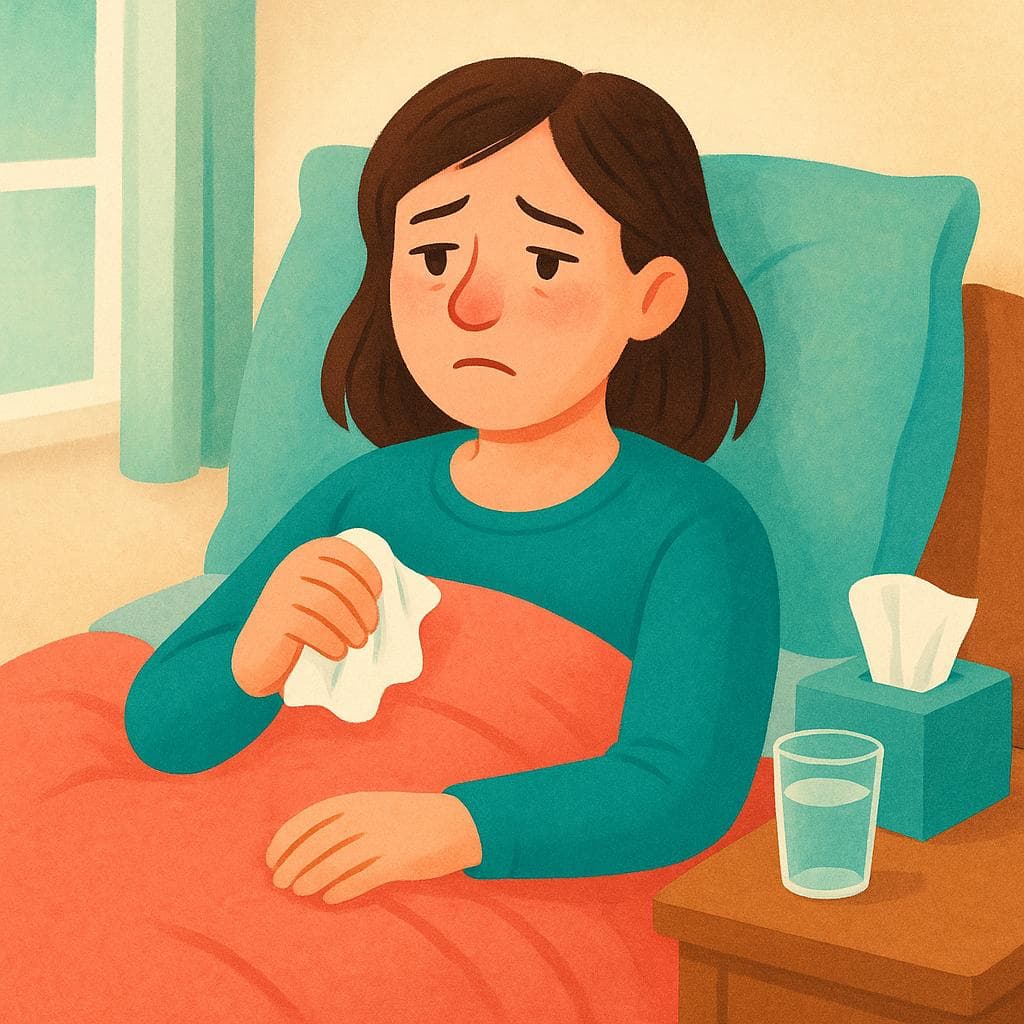
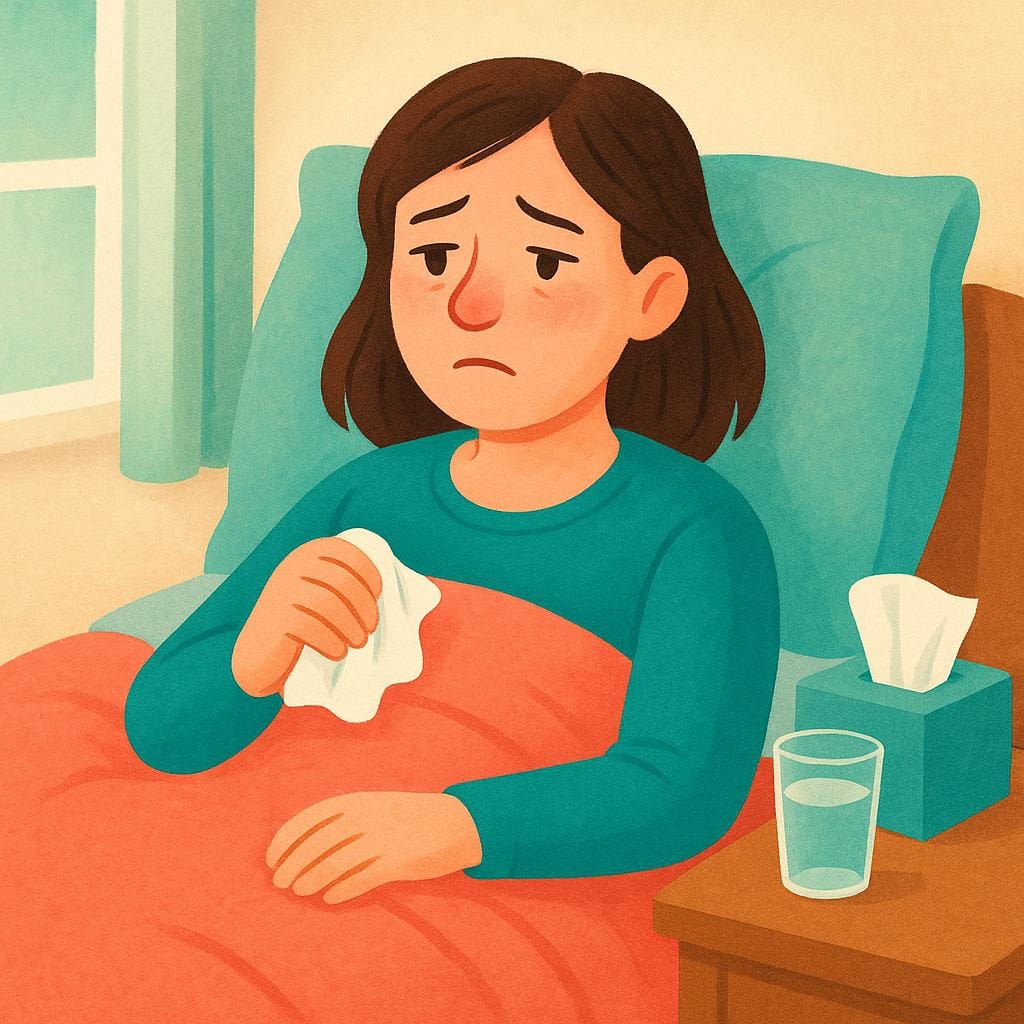
The most common Spanish word for “unwell” is “enferma” — use 'enferma' when referring to a specific, often diagnosed, physical illness or sickness, like the flu or a cold.
en-FÉR-maeŋˈfeɾma
Examples
Mi abuela está enferma con la gripe.
My grandmother is sick with the flu.
¿Estás enferma? Deberías quedarte en casa.
Are you ill? You should stay home.
Llegó a la reunión, aunque estaba visiblemente enferma.
She came to the meeting, even though she was visibly unwell.
Adjective Agreement
Since this is an adjective describing a female person or feminine thing, the word ends in '-a'. If you were talking about a male, you would use 'enfermo'.
Ser vs. Estar
Always use 'estar' (like 'she is') with 'enferma' because sickness is a temporary state or condition. Using 'ser' suggests it's a permanent part of her identity, which sounds unnatural.
Using the wrong verb
Mistake: “Ella es enferma.”
Correction: Ella está enferma. (Using 'estar' is correct because the illness is a temporary situation, not a permanent trait.)
MAH-lahˈmala
Examples
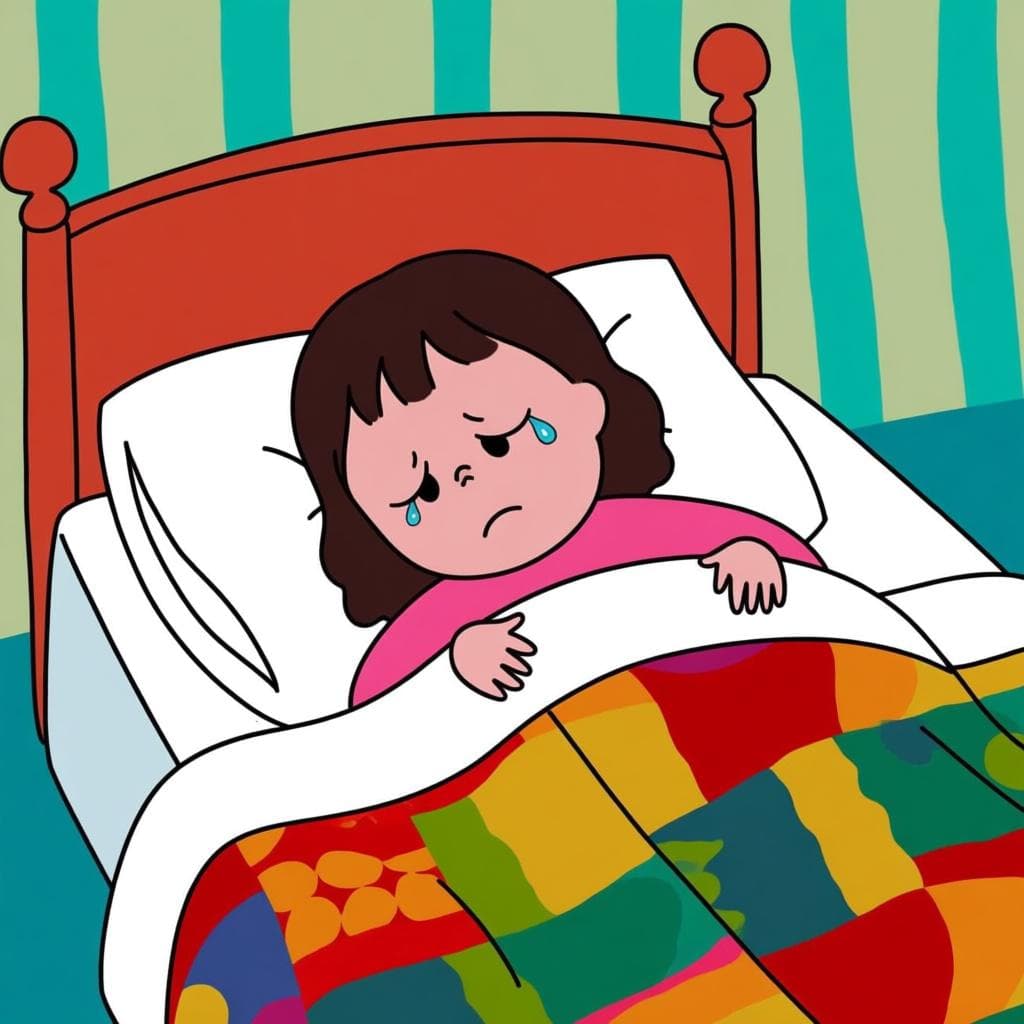
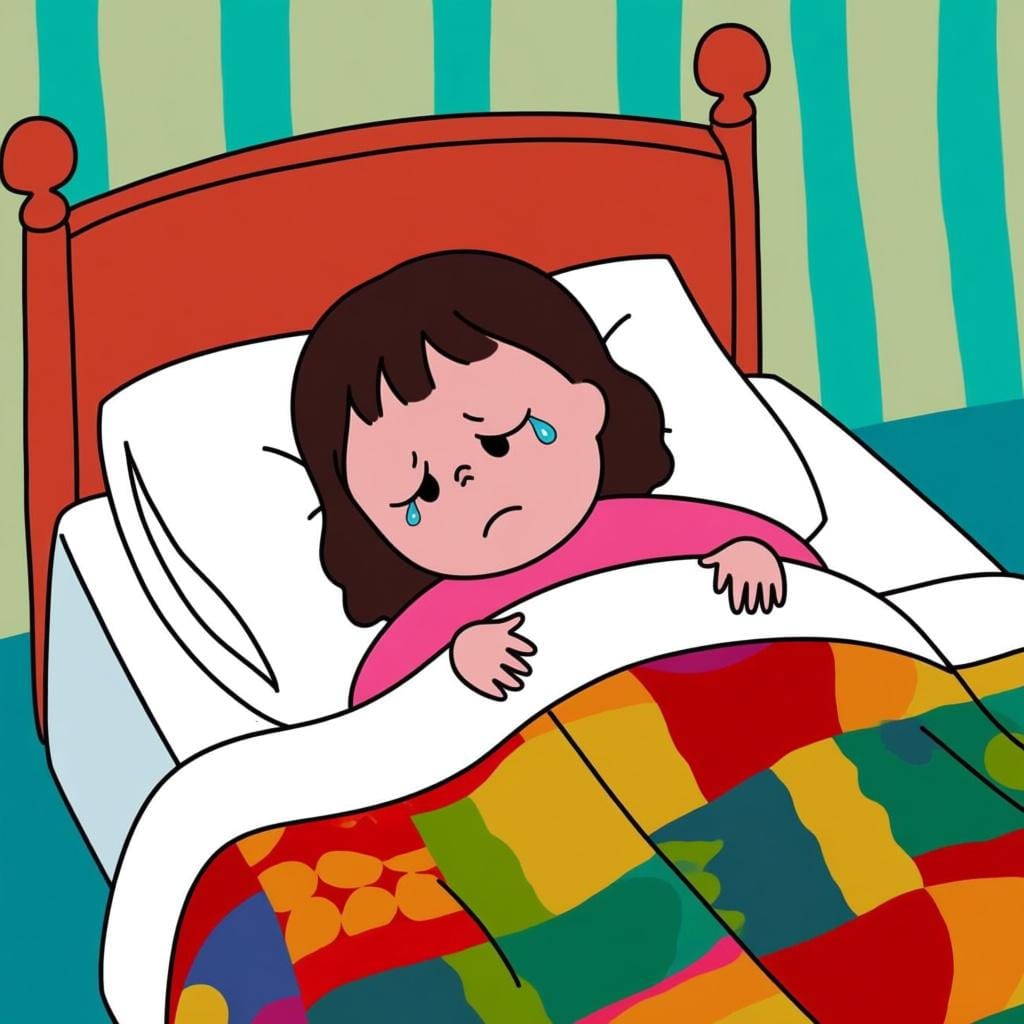
No puedo ir a la fiesta, estoy mala.
I can't go to the party, I'm sick.
Mi hermana está mala con gripe.
My sister is sick with the flu.
Se puso mala después de comer el marisco.
She got sick after eating the seafood.
Key Difference: 'Ser' vs. 'Estar'
This is super important! To say someone is sick, ALWAYS use the verb 'estar'. 'Ella está mala' means 'She is sick'. If you use 'ser' ('Ella es mala'), it means 'She is a bad/evil person'. This is a classic mix-up, so be careful!
Using 'Ser' for Sickness
Mistake: “Mi madre es mala hoy.”
Correction: Say 'Mi madre está mala hoy.' Using 'es' makes it sound like you're calling your mom an evil person, when you just mean she feels unwell today.
Choosing Between 'Enferma' and 'Mala'
Learners often confuse 'enferma' and 'mala' by using 'mala' for serious illnesses. Remember that 'enferma' is for specific sicknesses, while 'mala' is more for a general, vague feeling of not being well.
Related Translations
Learn Spanish with Inklingo
Interactive stories, personalized learning, and more.