How to Say "ill" in Spanish
The most common Spanish word for “ill” is “enfermo” — use 'enfermo' for the general state of being unwell or sick, applicable in most everyday situations. It's the most direct and common translation for 'ill' or 'sick'.

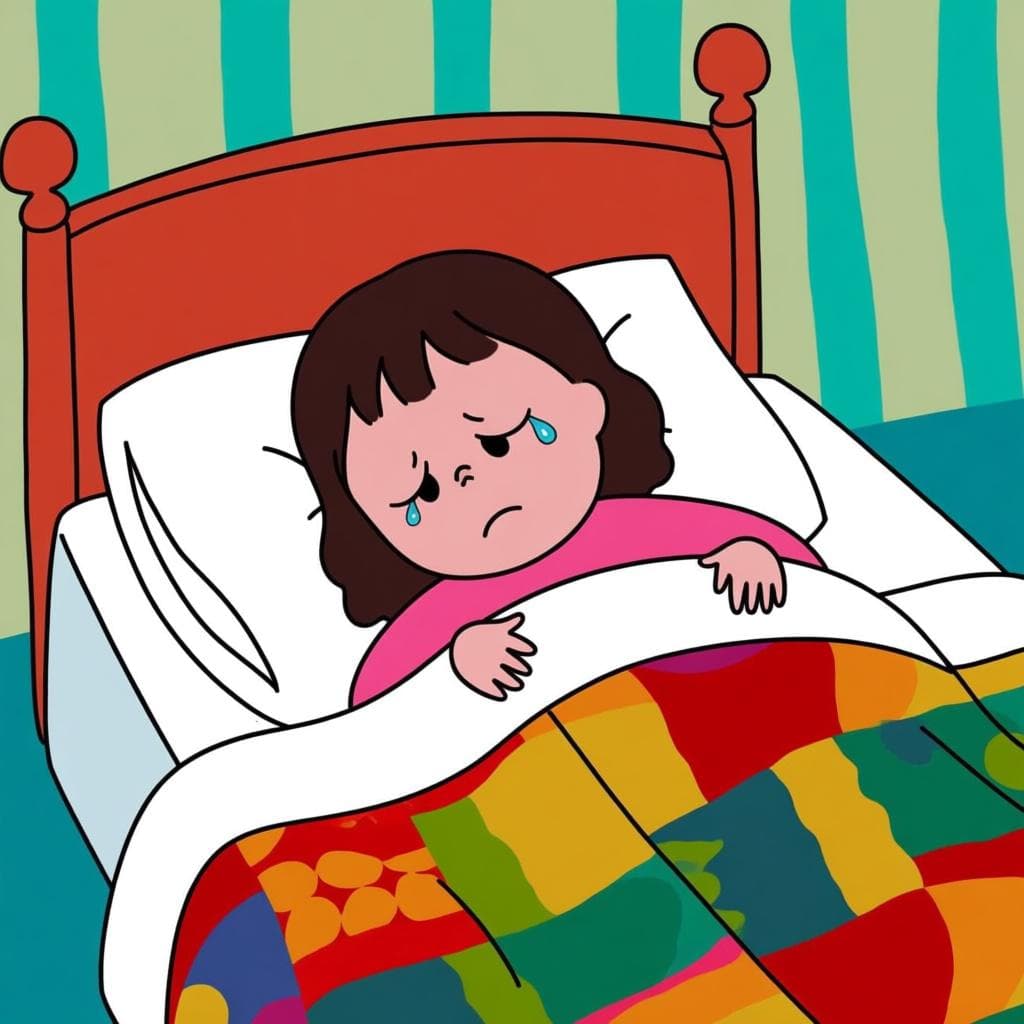
enfermo
en-FER-moenˈfeɾmo

Examples
Mi hijo está enfermo y no puede ir al colegio.
My son is ill and cannot go to school.
Hoy no voy a la escuela porque estoy enfermo.
I'm not going to school today because I'm sick.
Mi gato ha estado enfermo toda la semana.
My cat has been ill all week.
Tiene una mente enferma y retorcida.
He has a sick and twisted mind.
Matches the Person/Thing it Describes
This word changes to match if you're talking about someone masculine, feminine, or a group. enfermo (masculine), enferma (feminine), enfermos (masculine plural), enfermas (feminine plural).
Use 'estar' for Being Sick
To say someone is sick right now, you almost always use the verb estar. For example, Él está enfermo. (He is sick). It describes a temporary state or condition.
Using 'ser' instead of 'estar'
Mistake: “Mi padre es enfermo.”
Correction: Mi padre está enfermo. Using 'ser' makes it sound like being sick is a permanent part of his identity, which is very rare. For the temporary state of being sick, always use 'estar'.
Forgetting to Match Gender
Mistake: “Mi hermana está enfermo.”
Correction: Mi hermana está enferma. Because 'hermana' is feminine, the word describing her must also end in '-a'.
mala
MAH-lahˈmala
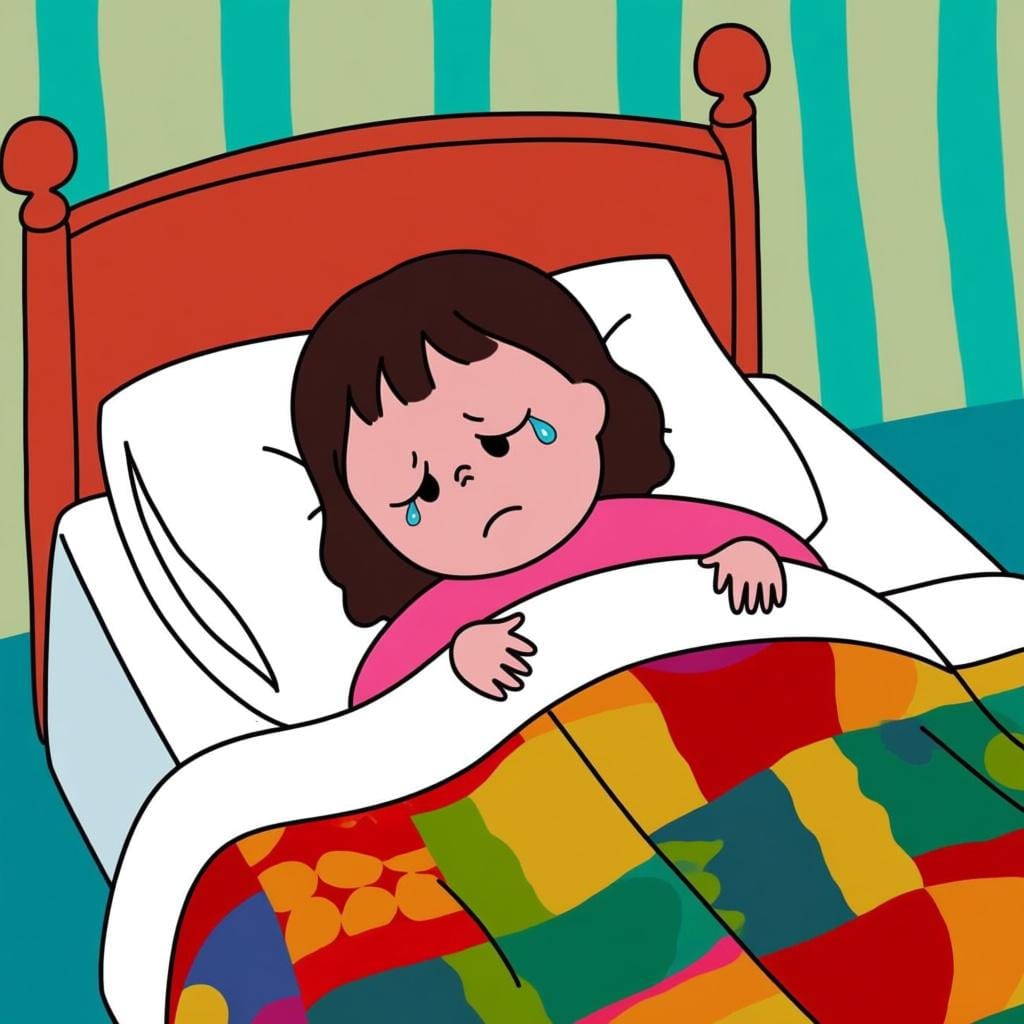
Examples
No salí anoche porque me sentía mala.
I didn't go out last night because I was feeling ill.
No puedo ir a la fiesta, estoy mala.
I can't go to the party, I'm sick.
Mi hermana está mala con gripe.
My sister is sick with the flu.
Se puso mala después de comer el marisco.
She got sick after eating the seafood.
Key Difference: 'Ser' vs. 'Estar'
This is super important! To say someone is sick, ALWAYS use the verb 'estar'. 'Ella está mala' means 'She is sick'. If you use 'ser' ('Ella es mala'), it means 'She is a bad/evil person'. This is a classic mix-up, so be careful!
Using 'Ser' for Sickness
Mistake: “Mi madre es mala hoy.”
Correction: Say 'Mi madre está mala hoy.' Using 'es' makes it sound like you're calling your mom an evil person, when you just mean she feels unwell today.
Choosing Between 'Enfermo' and 'Mala'
Related Translations
Learn Spanish with Inklingo
Interactive stories, personalized learning, and more.