How to Say "walls" in Spanish
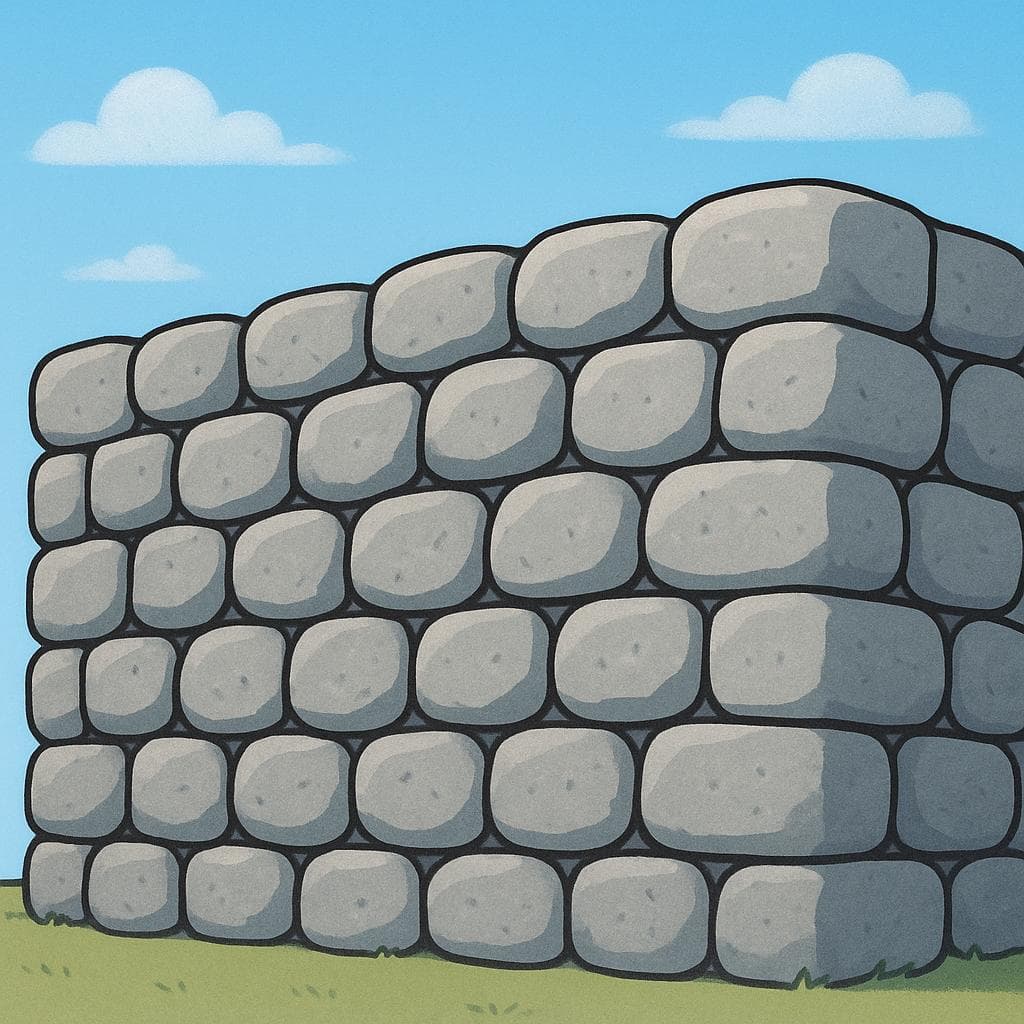
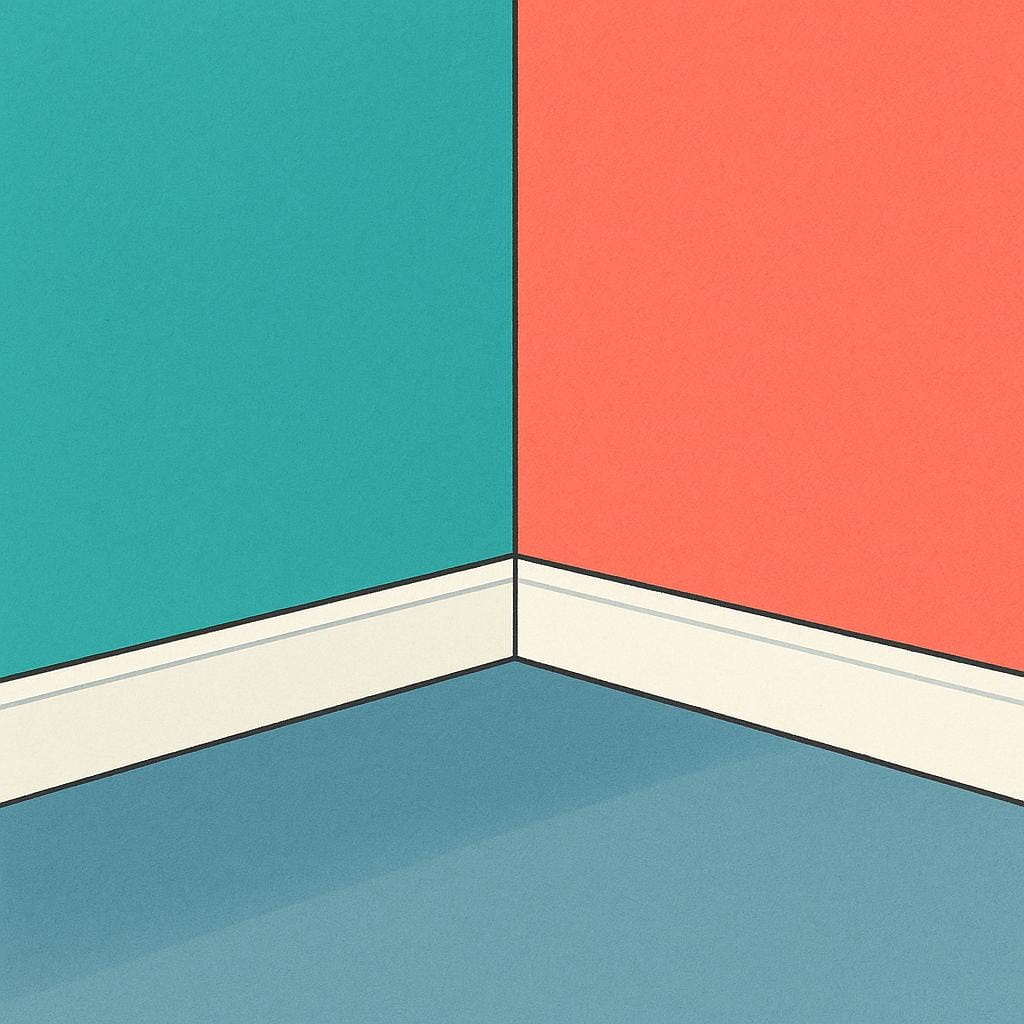
The most common Spanish word for “walls” is “paredes” — use 'paredes' for the interior or exterior surfaces of a building, like the walls of a room or house, or for anatomical linings within the body.

paredes
pah-REH-dehspaˈɾeðes
Examples
Las paredes de mi sala son de color azul claro.
The walls of my living room are light blue.
Necesitamos colgar los cuadros en estas paredes.
We need to hang the pictures on these walls.
Escuchamos la música a través de las paredes.
We heard the music through the walls.
Las paredes del estómago se inflaman con la gastritis.
The walls of the stomach become inflamed with gastritis.
Feminine Plural
Even though 'paredes' ends in '-es' and not '-as', it is always a feminine noun. You must use feminine articles and adjectives with it (e.g., 'las paredes altas').
Metaphorical Use
When used figuratively (like 'putting up walls'), 'paredes' still means boundaries or barriers that separate or protect.
Confusing Paredes and Muros
Mistake: “Usando 'muros' para describir una pared interior de una casa.”
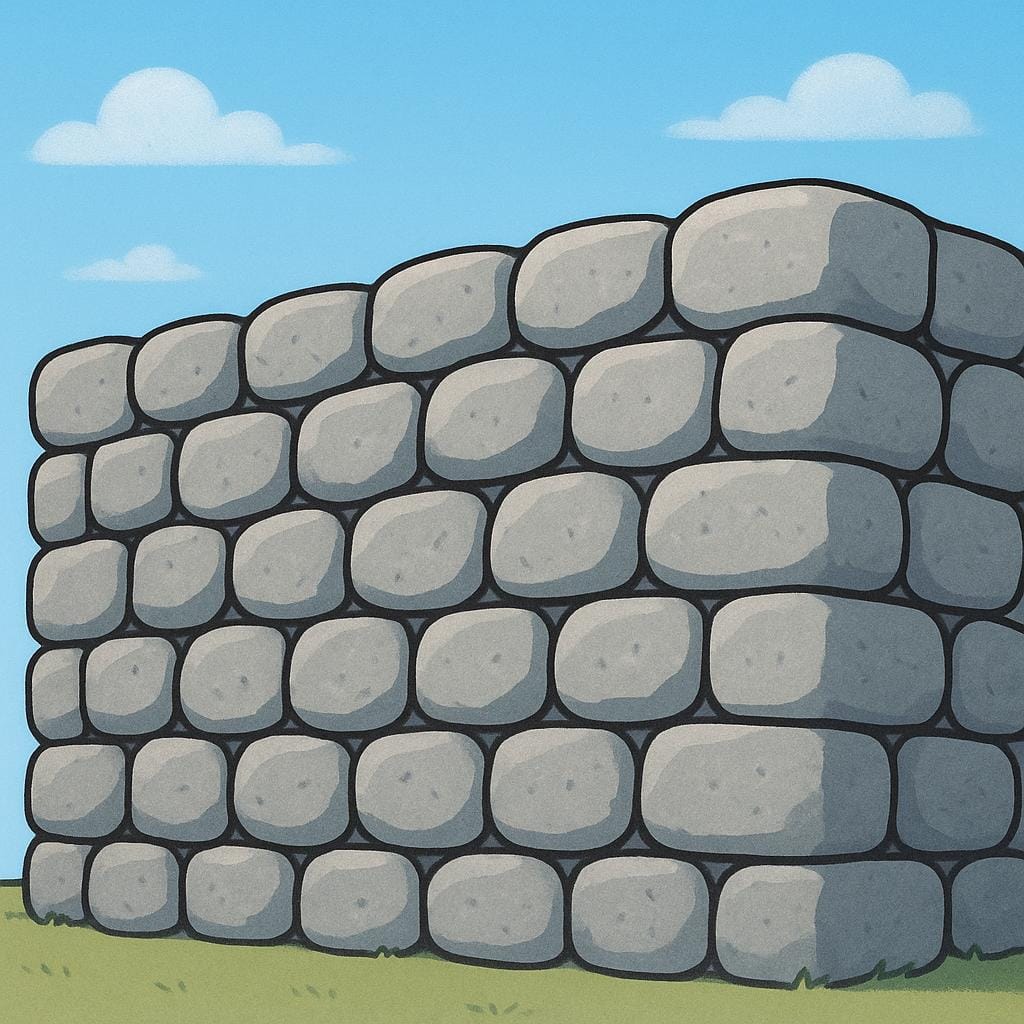
Correction: 'Paredes' is the standard word for the inner walls of a room. 'Muros' usually refers to thick, exterior, or defensive walls.
muros
MOO-rohsˈmuɾos
Examples
Los muros de este castillo son muy gruesos.
The walls of this castle are very thick.
Pintaron los muros exteriores de blanco.
They painted the exterior walls white.
Gender and Number
'Muros' is the plural form of the masculine word 'muro.' Always use masculine articles like 'los' or 'unos' with it.
Muro vs. Pared
Mistake: “Using 'muros' for the walls inside your bedroom.”
Correction: Use 'paredes' for thin interior walls and 'muros' for thick, structural, or outdoor walls.
Muros vs. Paredes
Related Translations
Learn Spanish with Inklingo
Interactive stories, personalized learning, and more.