How to Say "we hear" in Spanish
The most common Spanish word for “we hear” is “oímos” — use 'oímos' when referring to the involuntary, physical perception of sound, like hearing a sudden noise.

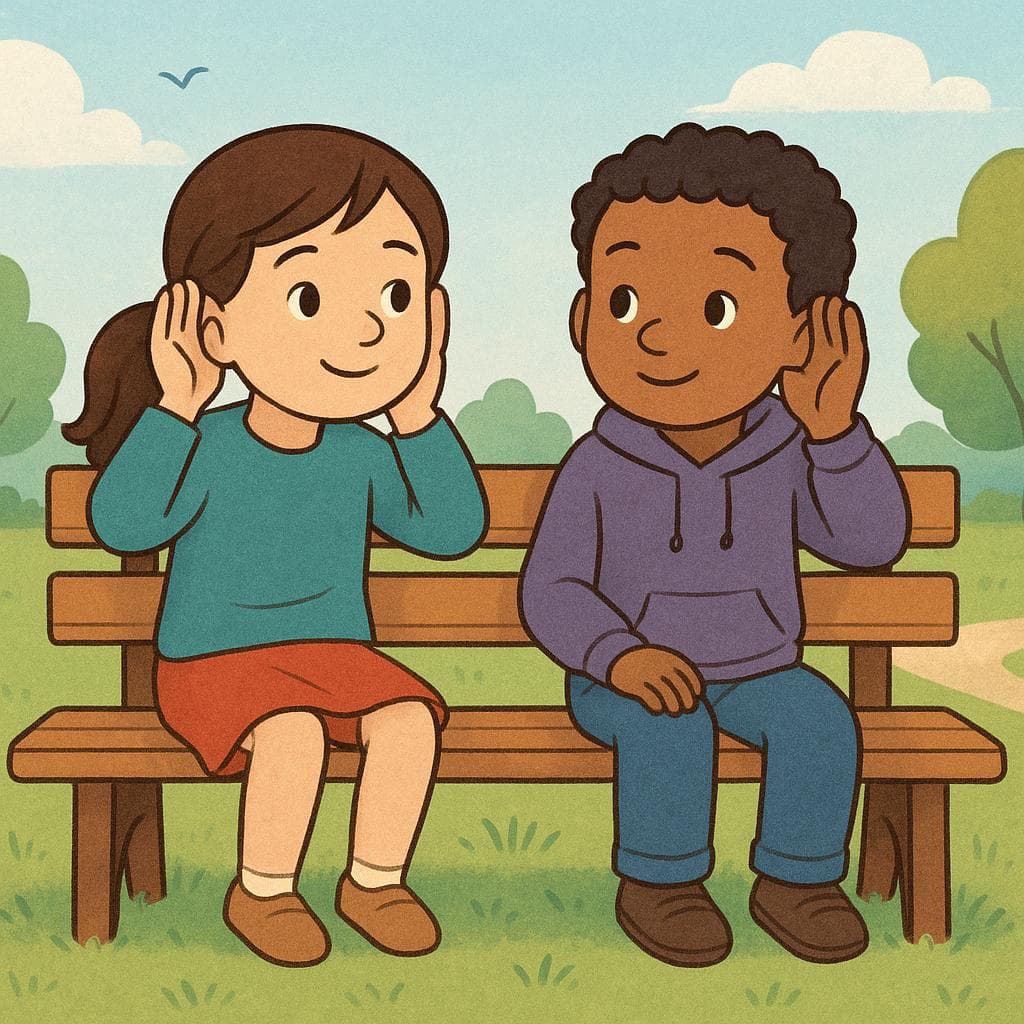
oímos
oh-EE-mohsoˈi.mos

Examples
Oímos un ruido extraño en la cocina.
We hear a strange noise in the kitchen.
Siempre oímos las noticias por la radio en el coche.
We always hear the news on the radio in the car.
Si hablamos en voz baja, no nos oímos bien.
If we speak quietly, we don't hear each other well.
The 'We' Form
This verb form, 'oímos,' is used when the action ('hearing') is done by 'nosotros' or 'nosotras' (we).
Hearing vs. Listening
Use 'oír' (oímos) for the physical ability to perceive sound, often unintentional. Use 'escuchar' for intentional, focused listening.
Mispronouncing the Accent
Mistake: “Saying 'oi-mos' (two syllables) without emphasis on the 'i'.”
Correction: The accent on the 'i' tells you to separate the vowels: 'o-Í-mos' (three syllables). This is crucial for correct Spanish stress.
escuchamos
es-koo-CHAH-moses.kuˈtʃa.mos
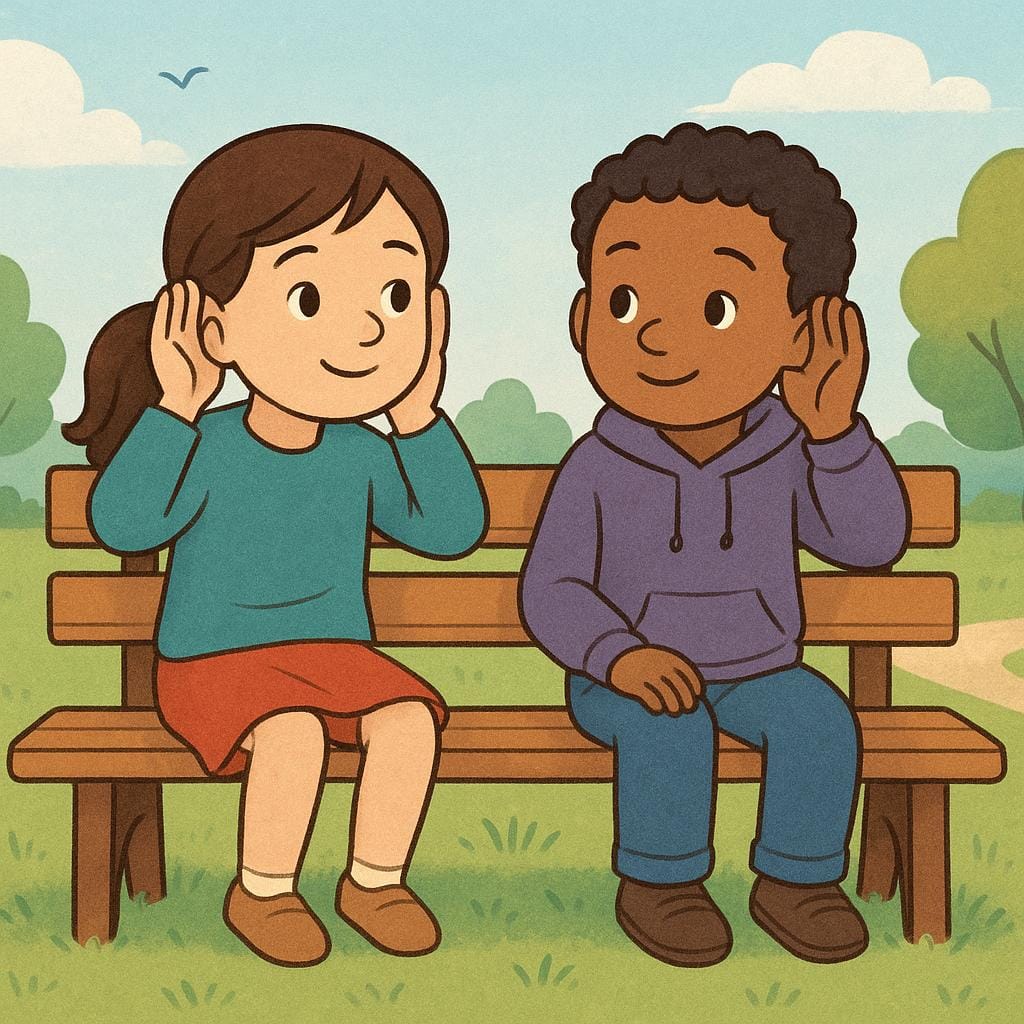
Examples
Todos los días, escuchamos las noticias en la radio.
Every day, we listen to the news on the radio.
Todos los días, **escuchamos** las noticias en la radio.
Every day, we listen to the news on the radio.
Por favor, no hables, ahora **escuchamos** al guía.
Please, don't talk, we are listening to the guide now.
Si no **escuchamos** lo que dice, no podemos ayudarlo.
If we don't listen to what he says, we can't help him.
The 'We' Form
This form, ending in -amos, is the standard way to talk about actions that 'we' (nosotros/nosotras) do. It is always the same for all regular -ar verbs.
Escuchar vs. Oír
We use 'escuchar' for active listening—when you intend to pay attention. Use 'oír' when you simply hear a sound without trying to.
Forgetting the 'to'
Mistake: “Escuchamos a la radio. (Missing the 'a' when listening to a person or entity.)”
Correction: Escuchamos la radio. (The preposition 'a' is only needed when listening to a person: 'Escuchamos a mi madre'.)
Oír vs. Escuchar
Related Translations
Learn Spanish with Inklingo
Interactive stories, personalized learning, and more.