How to Say "you beat" in Spanish
The most common Spanish word for “you beat” is “ganaste” — use this when you mean 'you won' or 'you defeated' someone or something, like in a competition or a game.

gah-NAHS-tehɡaˈnaste

Examples
¡Felicidades! Vi el partido, realmente **ganaste** por poco.
Congratulations! I saw the game, you really won by a little bit.
¿Cómo **ganaste** la lotería? ¡Dime tu secreto!
How did you win the lottery? Tell me your secret!
Corriste muy rápido. **Ganaste** la carrera fácilmente.
You ran very fast. You won the race easily.
The Simple Past (Preterite) for 'Tú'
Ganaste is the 'tú' form of the simple past tense (preterite). It describes a single action that started and finished completely at a specific time in the past: 'Yesterday, you won.'
Confusing Past Tenses
Mistake: “Using 'ganabas' (imperfect) instead of 'ganaste' (preterite) for a single, completed victory.”
Correction: Use **ganaste** for a specific win ('You won the race'). Use 'ganabas' only if you are describing a habit or condition in the past ('You used to win often').
BAH-tehsˈbates
Examples
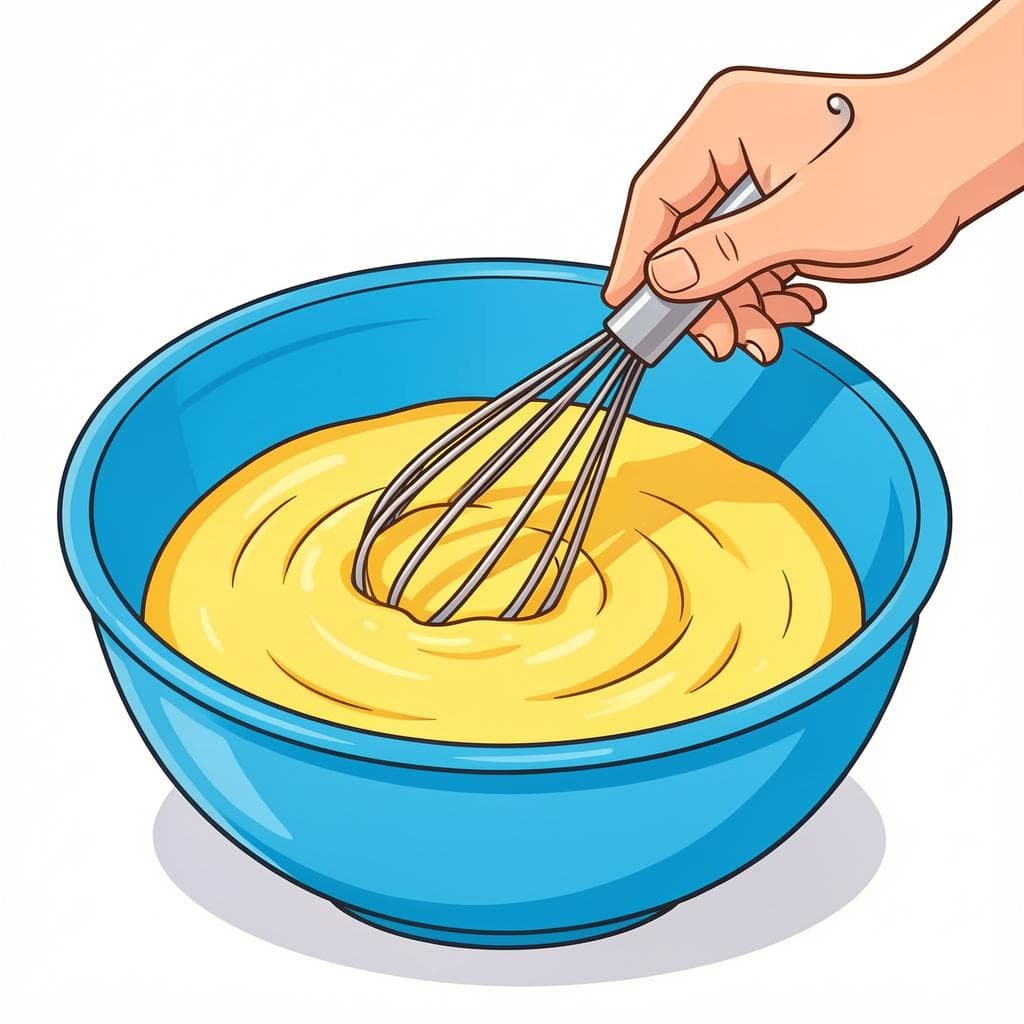
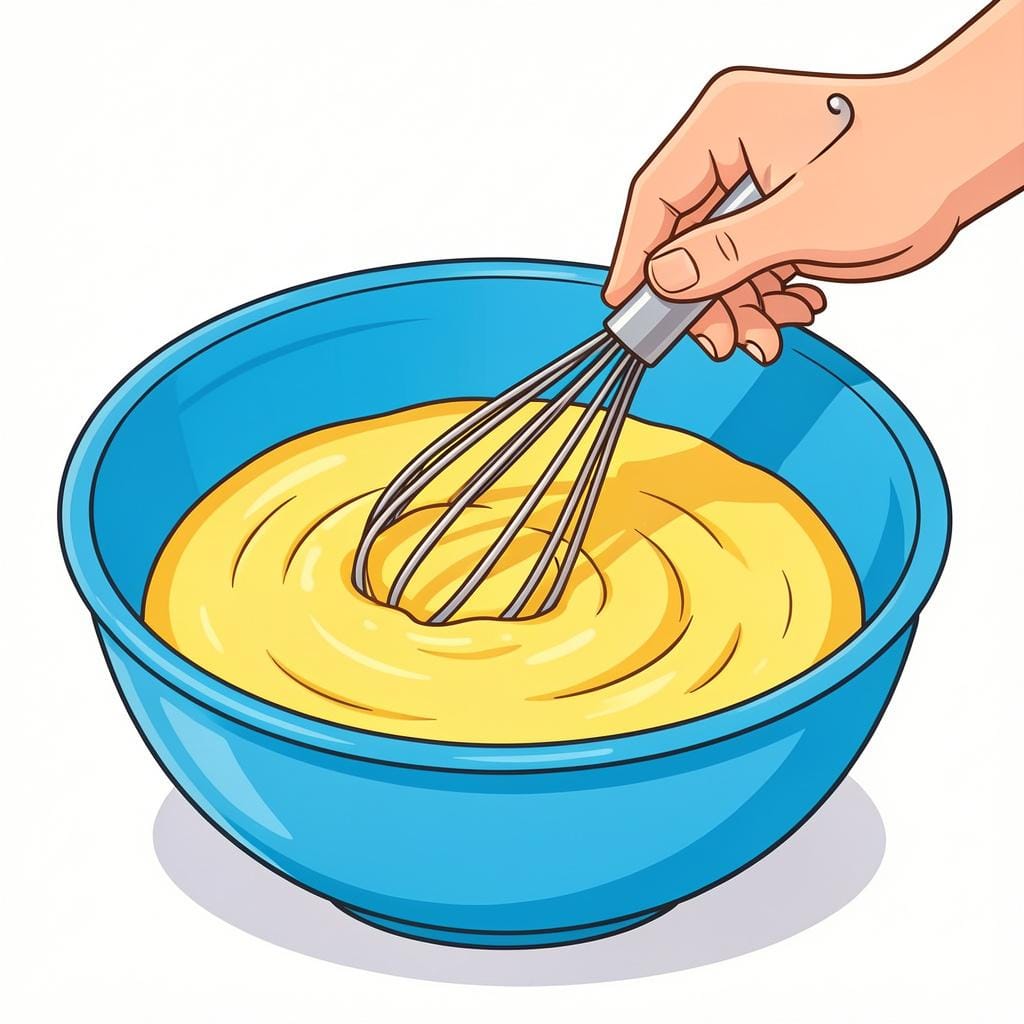
Si **bates** los huevos con fuerza, el pastel saldrá mejor.
If you beat the eggs vigorously, the cake will turn out better.
Si bates los huevos con fuerza, el pastel saldrá mejor.
If you beat the eggs vigorously, the cake will turn out better.
Tú bates el récord mundial de natación hoy.
You are breaking the world swimming record today.
Present Tense
This is the 'tú' (informal you) form for the present tense. It tells someone what they are doing right now.
Whisk vs. Hit
Mistake: “Using 'batir' to mean hitting someone.”
Correction: While 'batir' comes from a word meaning 'to strike,' in modern Spanish, it's mostly for cooking or records. Use 'golpear' to say 'to hit'.
Winning vs. Whisking
The most common mistake is confusing 'ganaste' (you won) with 'bates' (you whisk/beat ingredients). Remember that 'ganaste' is about competition, while 'bates' is about mixing food.
Related Translations
Learn Spanish with Inklingo
Interactive stories, personalized learning, and more.