The Conductor Whose Baton Was Found in the Wrong City
単語をタップするとすぐに翻訳されます。再生ボタンを使って、読みながらストーリーを聞きましょう。
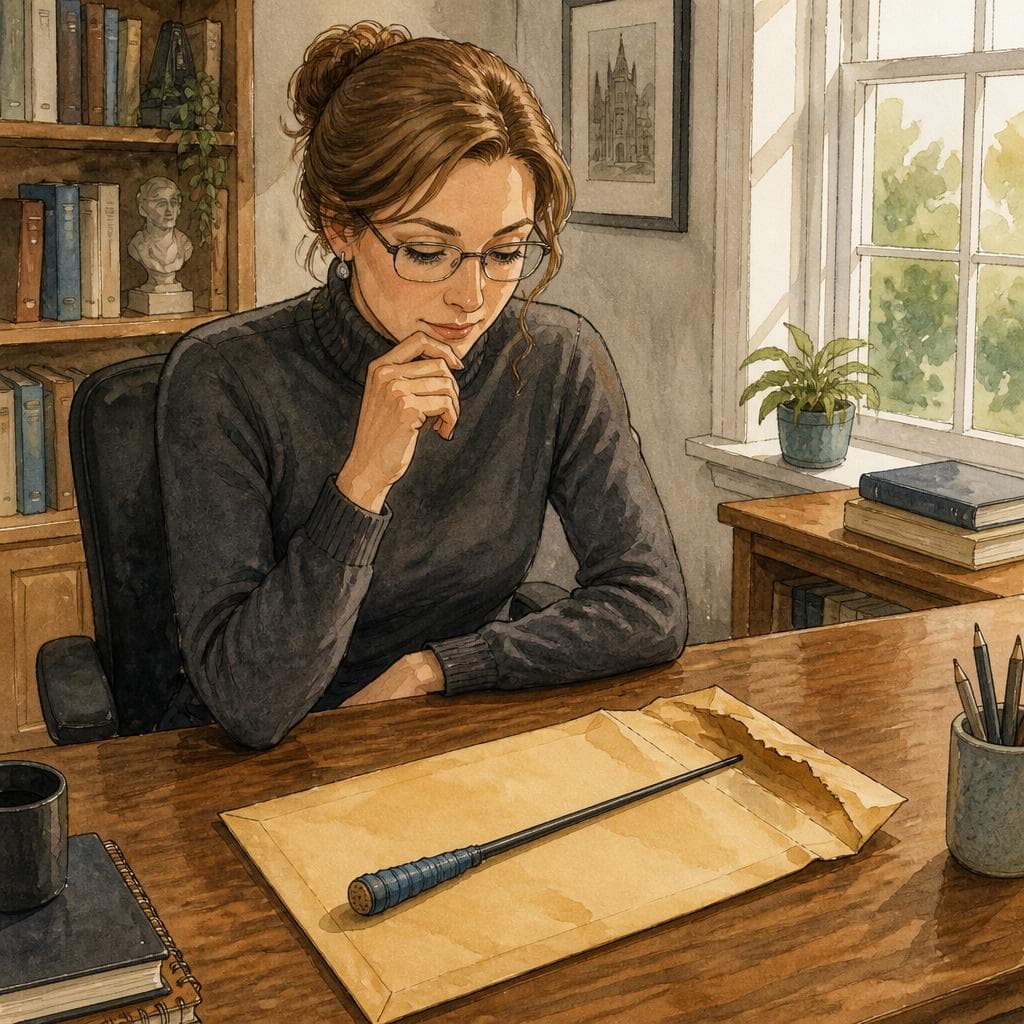
The baton arrived in a manila envelope on a Tuesday, which Mara always thought was the least dramatic day of the week for a secret to surface.
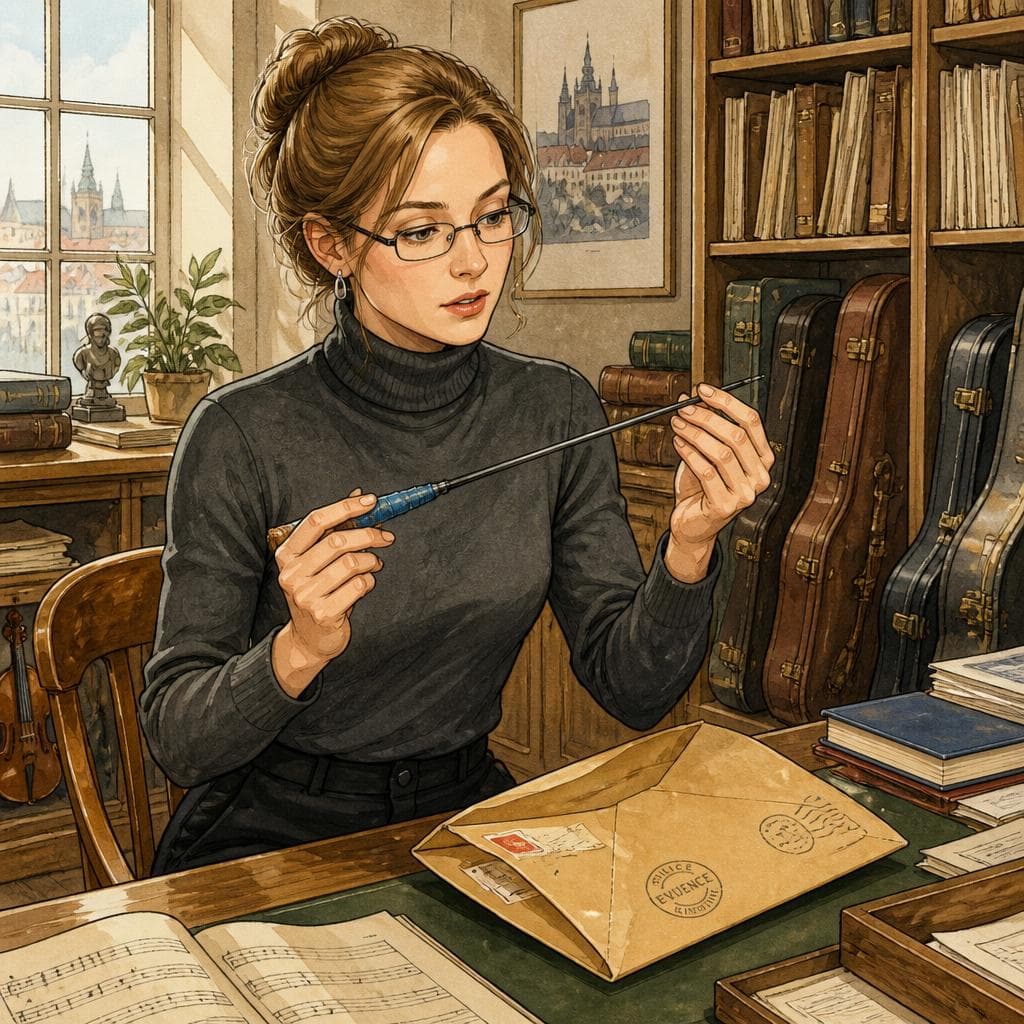
She worked as an archivist for the National Music Conservatory in Prague, a job that involved cataloguing instruments, scores, and the kinds of personal effects that musicians leave behind when they die with more ambition than family. The envelope had been forwarded from a police evidence office in Brno — two hundred kilometres east — where it had apparently sat, unclaimed and mislabelled, for eleven years. Inside was a single carbon-fibre baton, 26 centimetres long, with a cork handle wrapped in faded blue electrical tape. Mara recognised it before she even read the attached note.
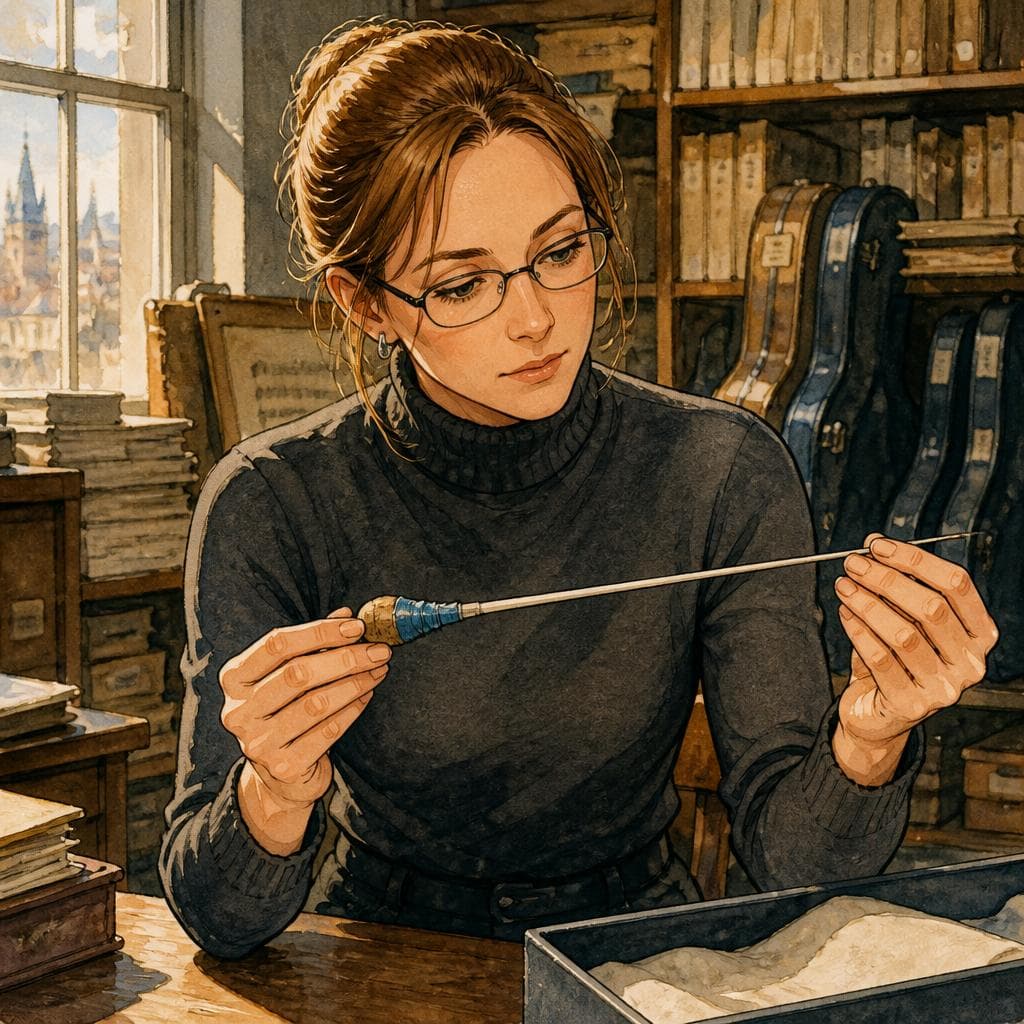
It had belonged to Ondřej Vávra.

Vávra had been the most celebrated conductor in the country during the 1990s: famously exacting, privately generous, and reportedly dead since 2013. According to every obituary, he had collapsed in his apartment in Prague on the fourteenth of March and had been found by a neighbour two days later. The cause of death was cardiac arrest. He was sixty-one. There had been a funeral, a commemorative concert, and a scholarship fund established in his name.
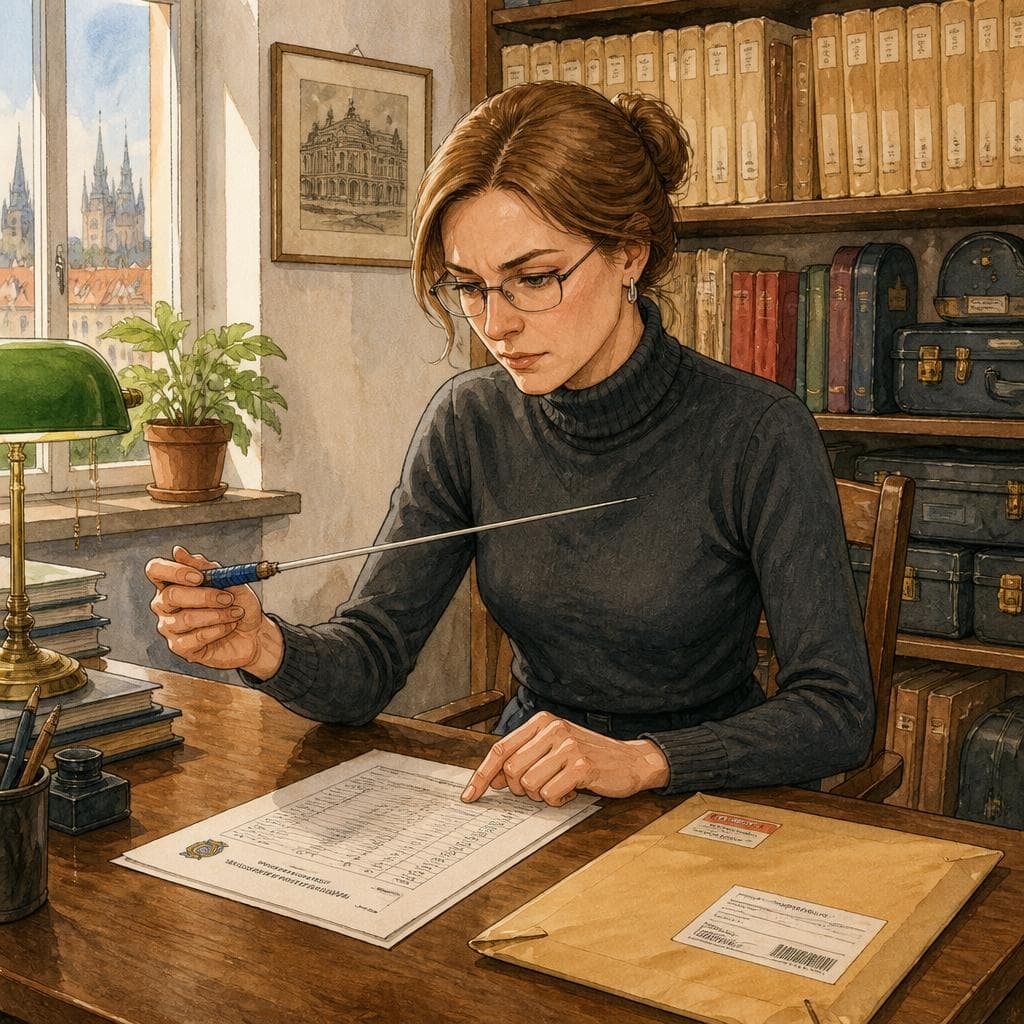
And yet his baton had been in Brno on the seventeenth of March — three days after his supposed death — logged as personal property recovered from a hotel room where the guest had left without checking out.
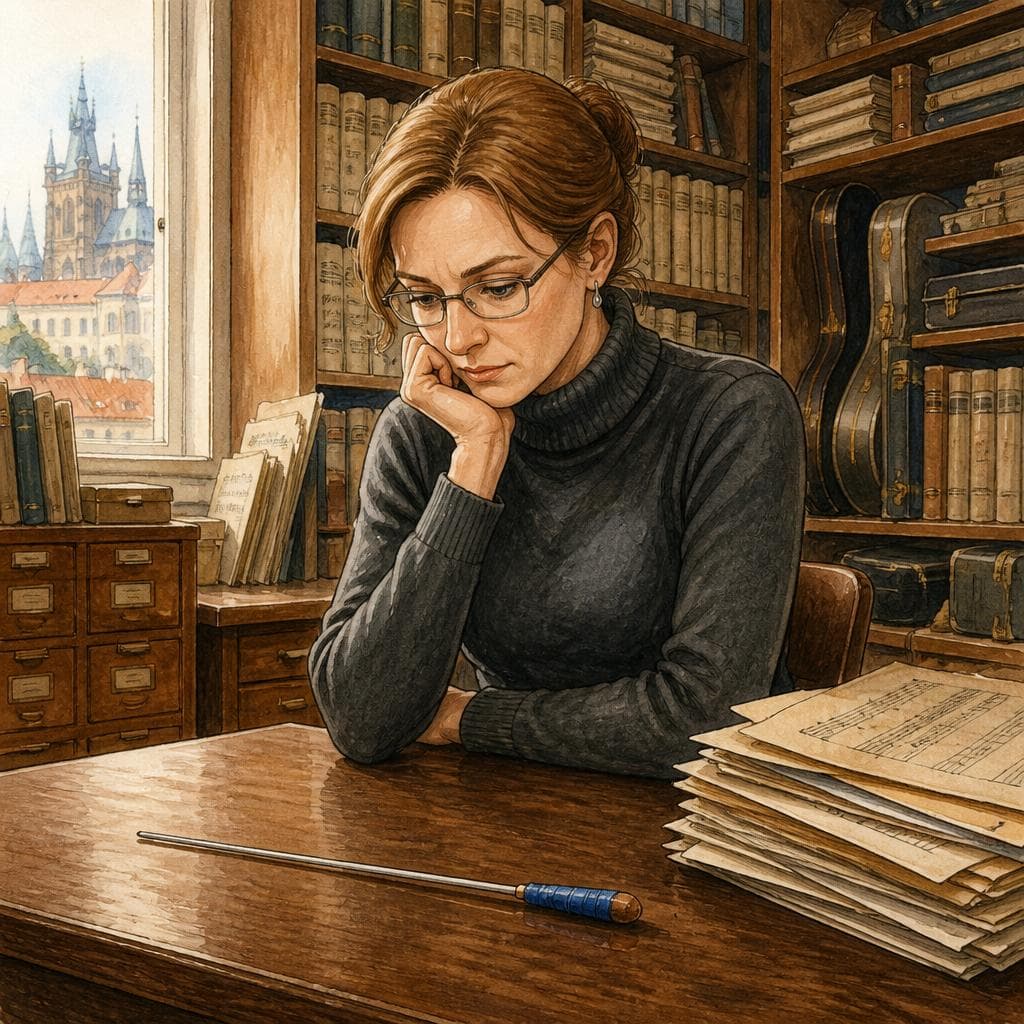
Mara sat with this information for a long time before she did anything with it.
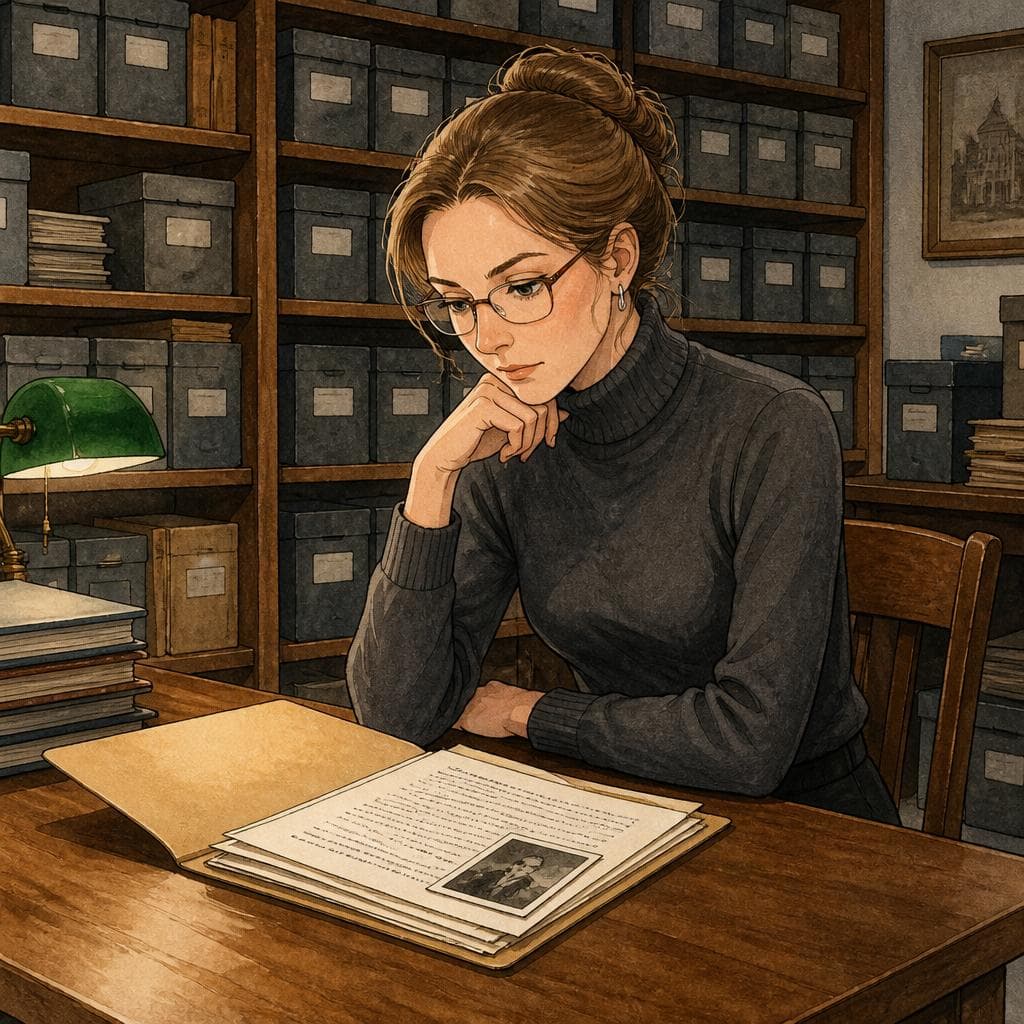
The sensible interpretation was simple enough: Vávra had owned more than one baton. All conductors did. The one in Brno probably belonged to a different trip, a different year, and the police had simply filed it under his name by mistake when someone cleared the room. It happened. Archives were full of exactly this kind of administrative accident.
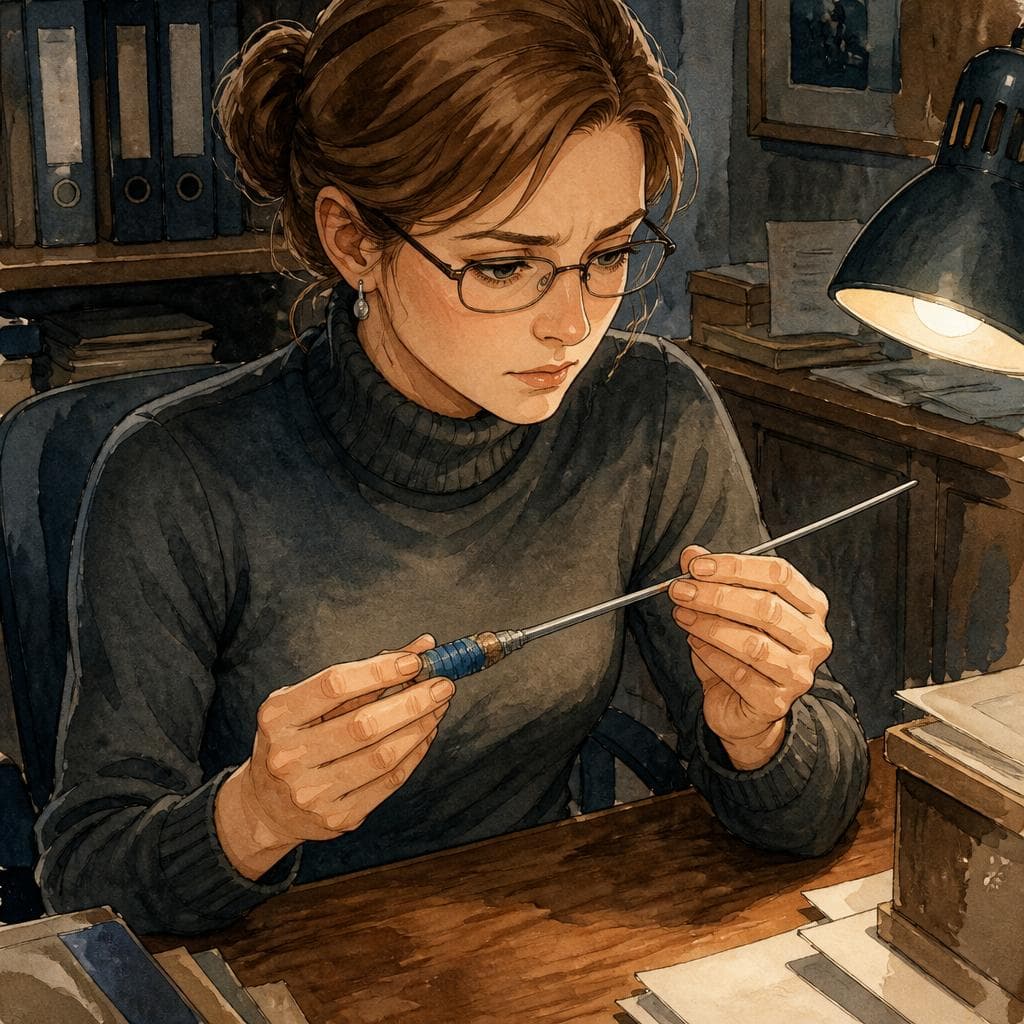
But the blue electrical tape bothered her.
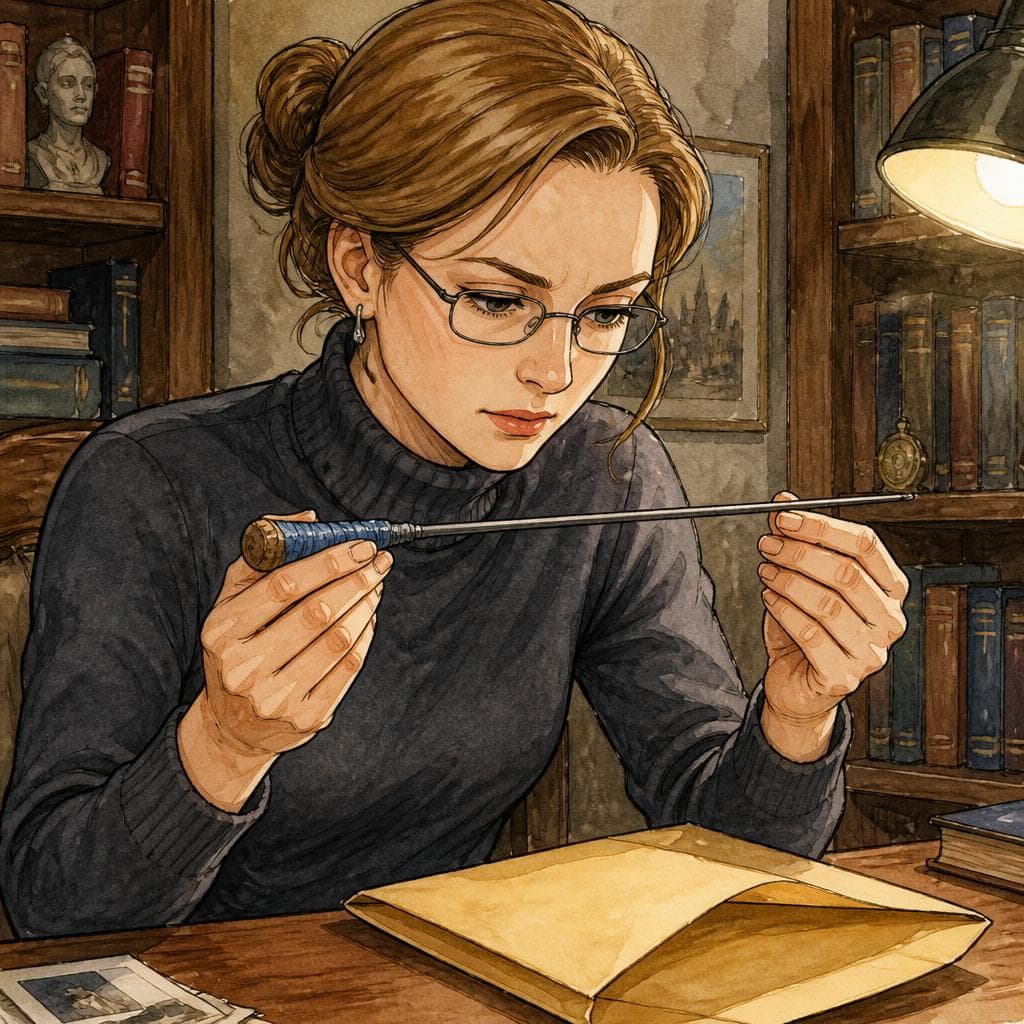
Vávra had wrapped his batons himself — she had watched him do it once, during a rehearsal break, while he talked to her about phrasing in the second movement of a Dvořák symphony. He used that specific tape because he had sensitive fingertips and ordinary grip tape irritated the skin. It was a private eccentricity, not widely known, and she had never seen it mentioned in any profile or interview. The baton in the envelope was wrapped in exactly the same way.
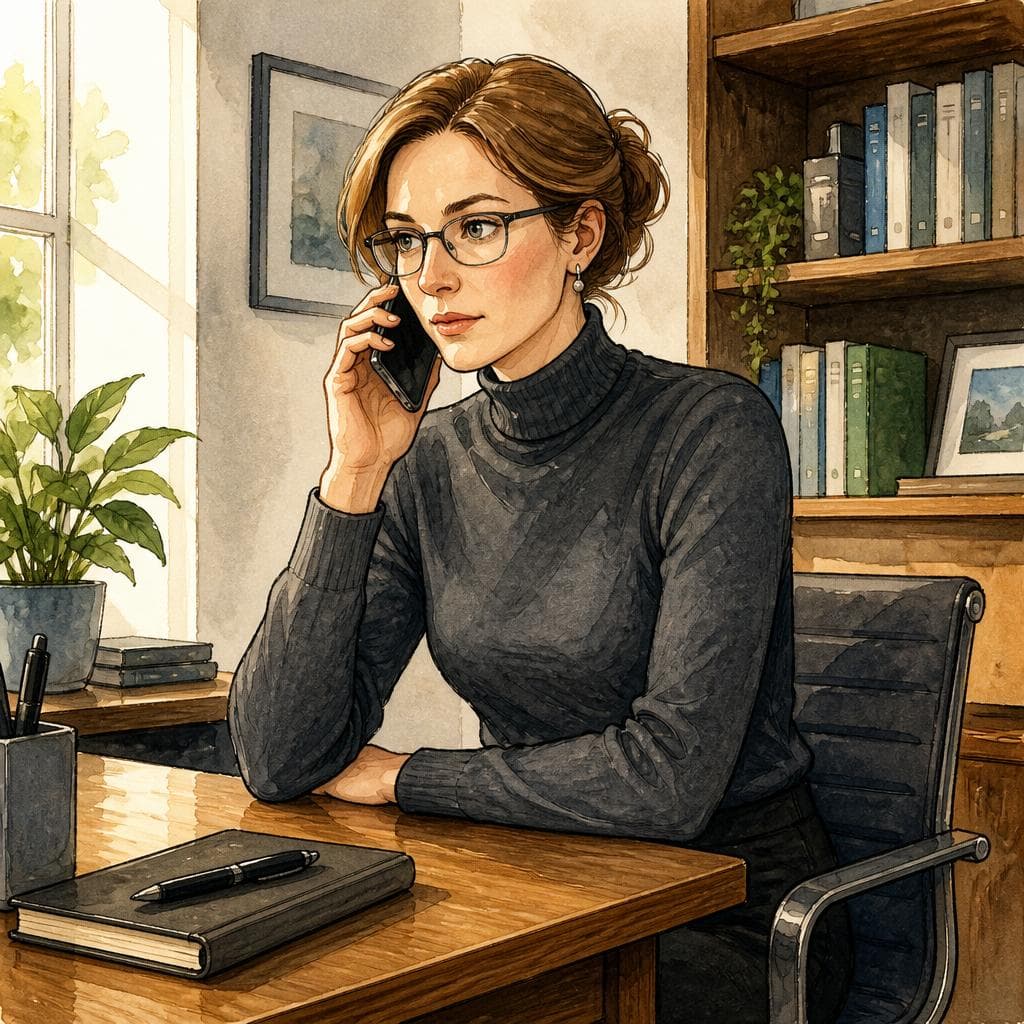
She called his former manager, a brisk woman named Sokolová who now ran a small concert agency in Vienna. Sokolová did not seem surprised by the call in the way that innocent people are surprised.
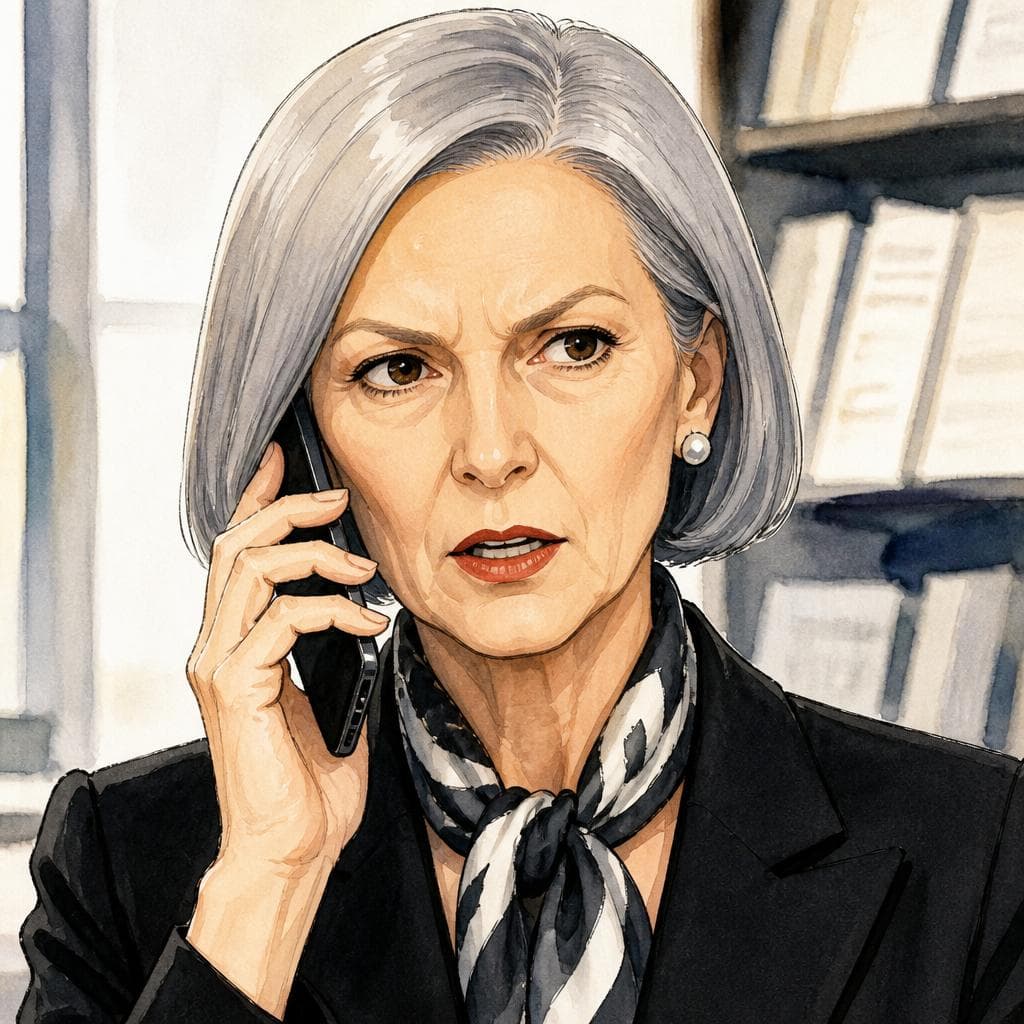
"Where did you get that number?" she said, instead of hello.
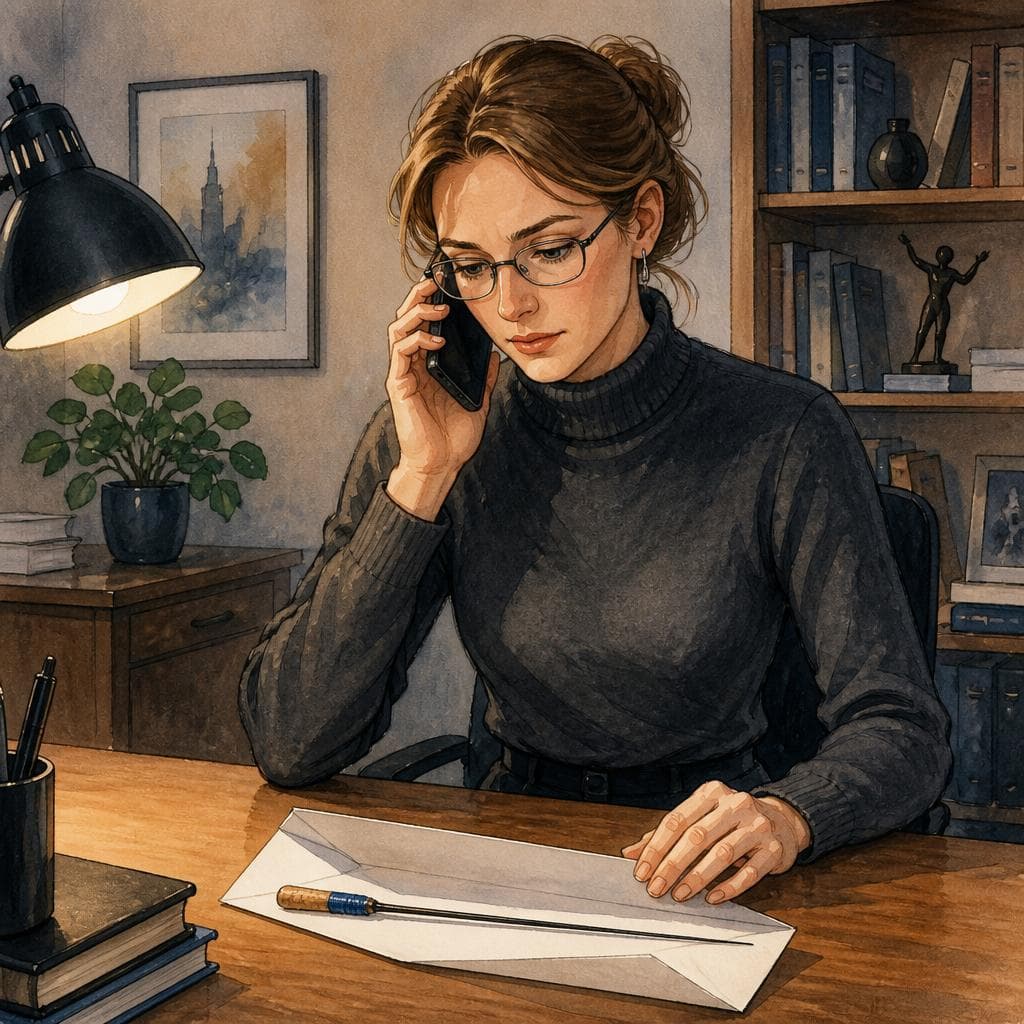
Mara told her about the baton. There was a pause on the line that lasted slightly too long.
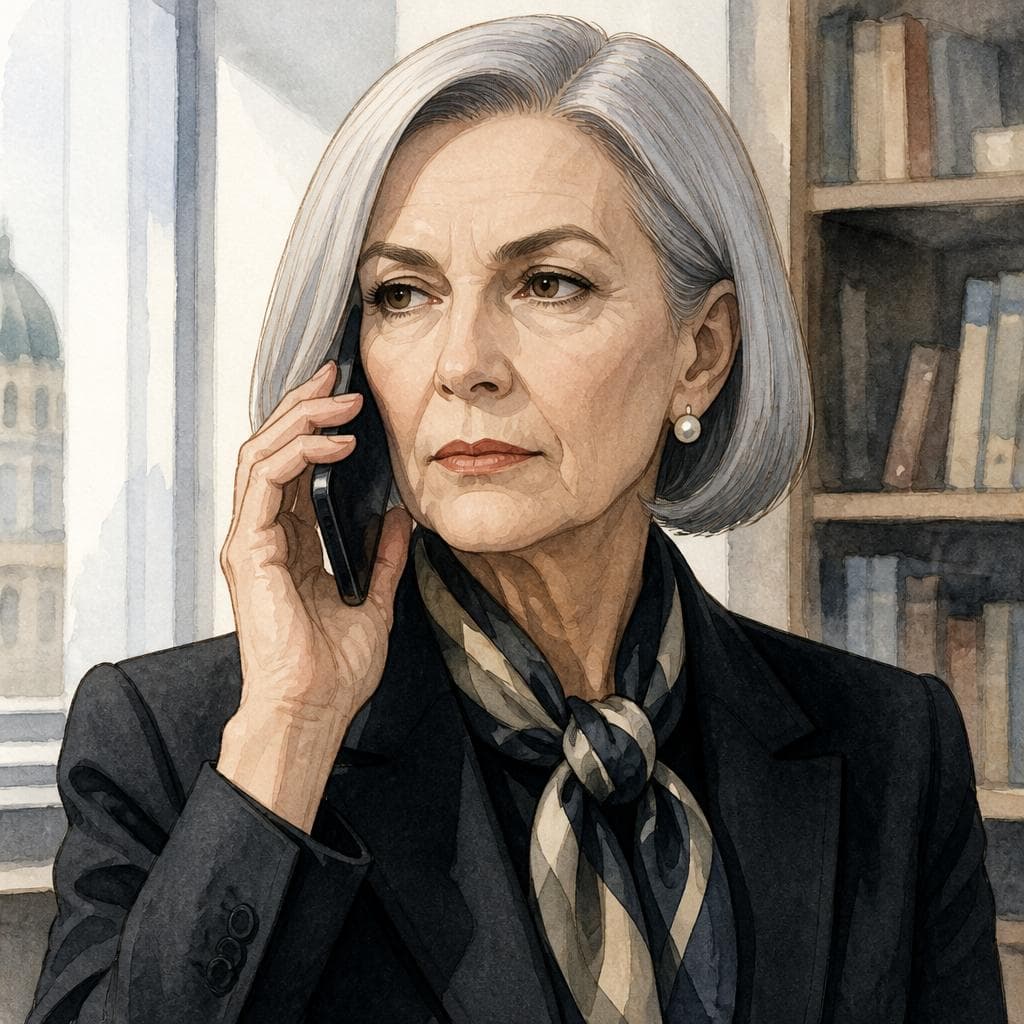
"Ondřej is dead," Sokolová said. "I was at the funeral."
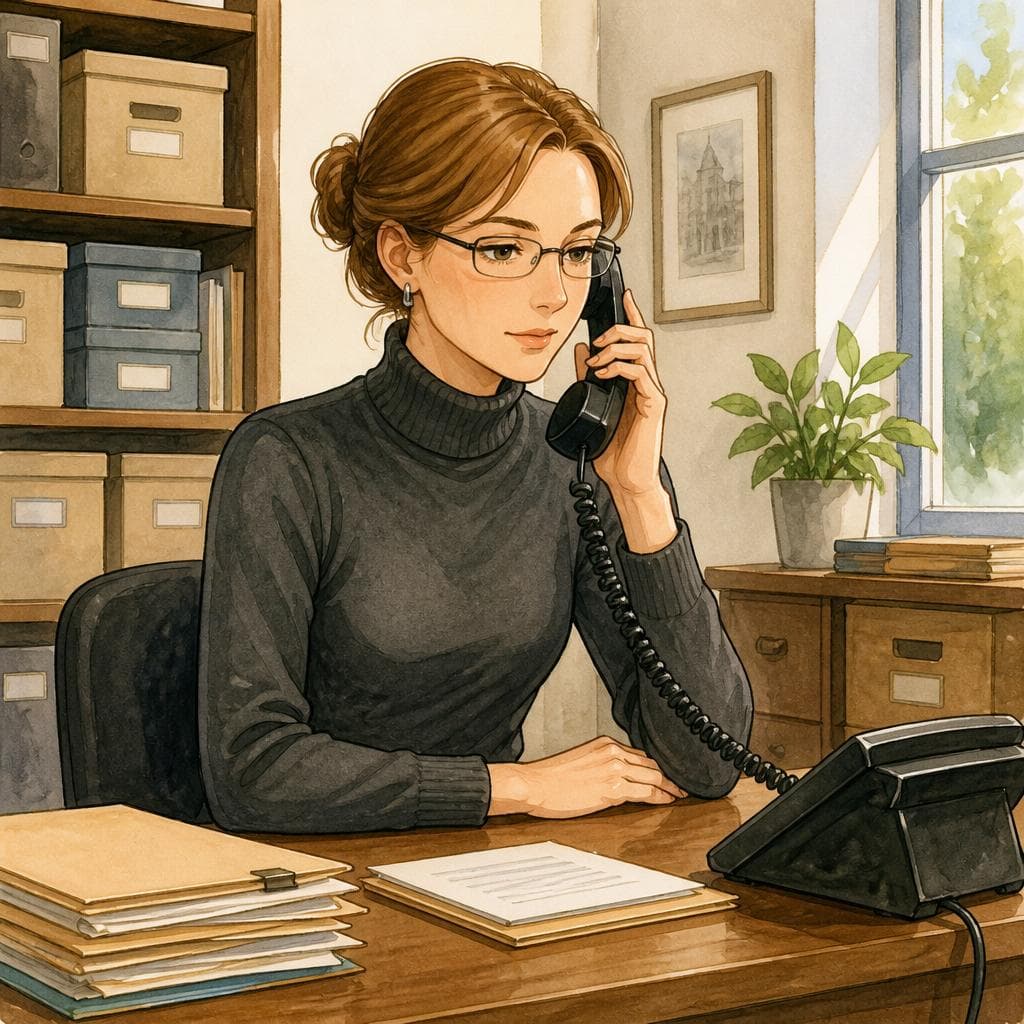
"I know. I was there too." Mara kept her voice neutral. "I'm just trying to account for the provenance of an archived object. Standard procedure."
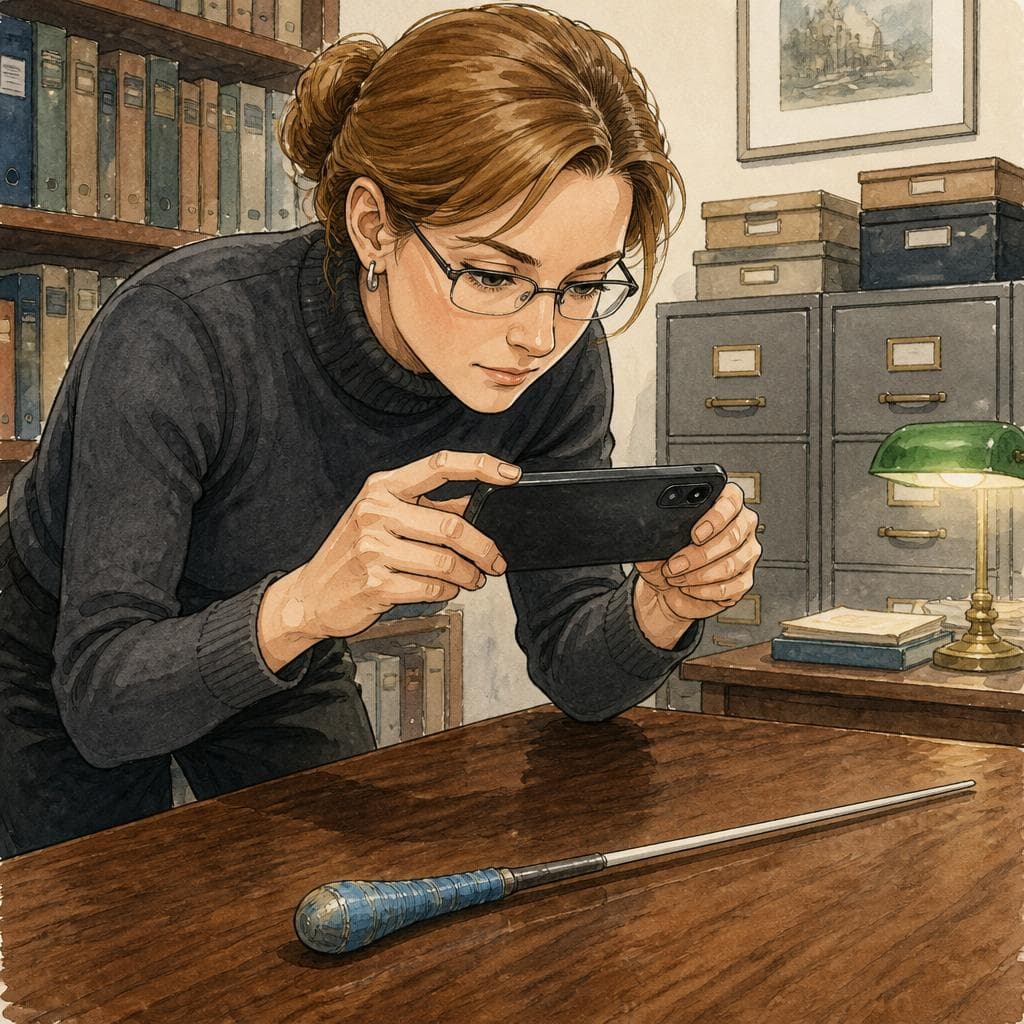
Another pause. "Send me a photograph of the handle."
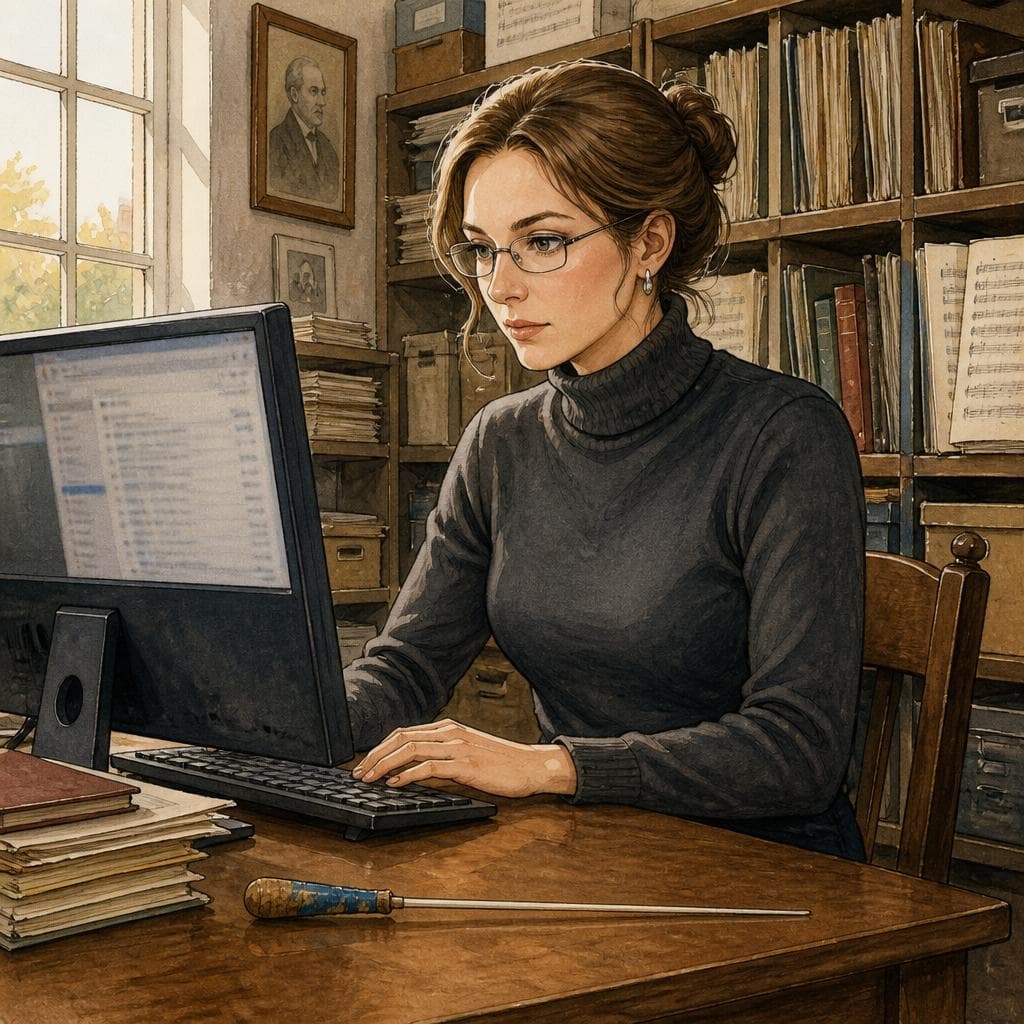
Mara did. The response came three hours later, not from Sokolová but from a law firm in Zurich, informing her that the baton was the subject of an ongoing estate matter and requesting that the Conservatory hold it securely pending further instructions.
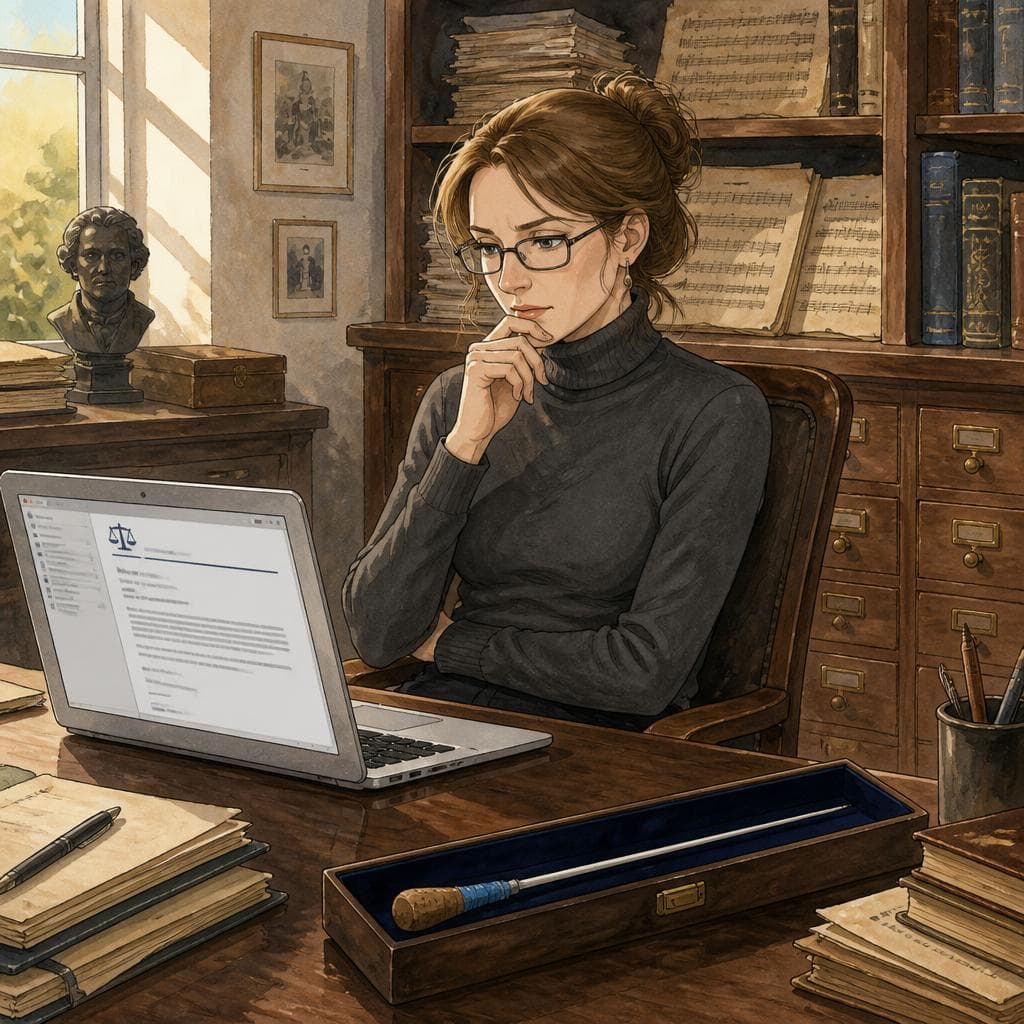
That was when Mara understood that the question was no longer whether Vávra had been in Brno after his death. The question was who needed her not to ask.
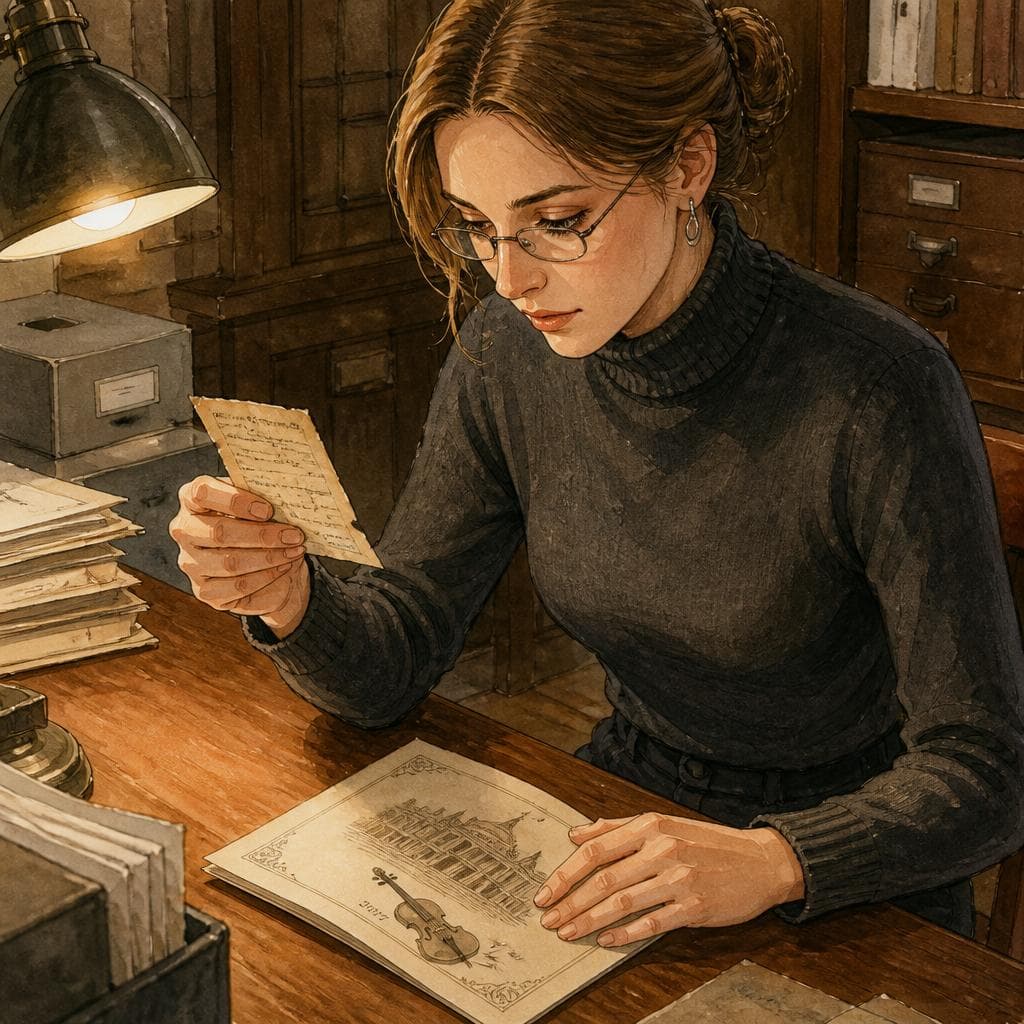
She spent the next two weeks doing what archivists do: reading carefully and saying nothing out loud. She found a hotel register — now digitised — that listed an "O. Novák" checking into the Grandhotel Brno on the fifteenth of March 2013, one day after Vávra's recorded death. She found a train ticket purchased with cash, impossible to trace but not impossible to find, tucked into a programme from a 2012 concert that had been donated to the Conservatory library by an anonymous source. The handwriting on the cash ticket receipt — a clerk had noted the passenger's destination — matched a note Vávra had written to her once, correcting her interpretation of a tempo marking.
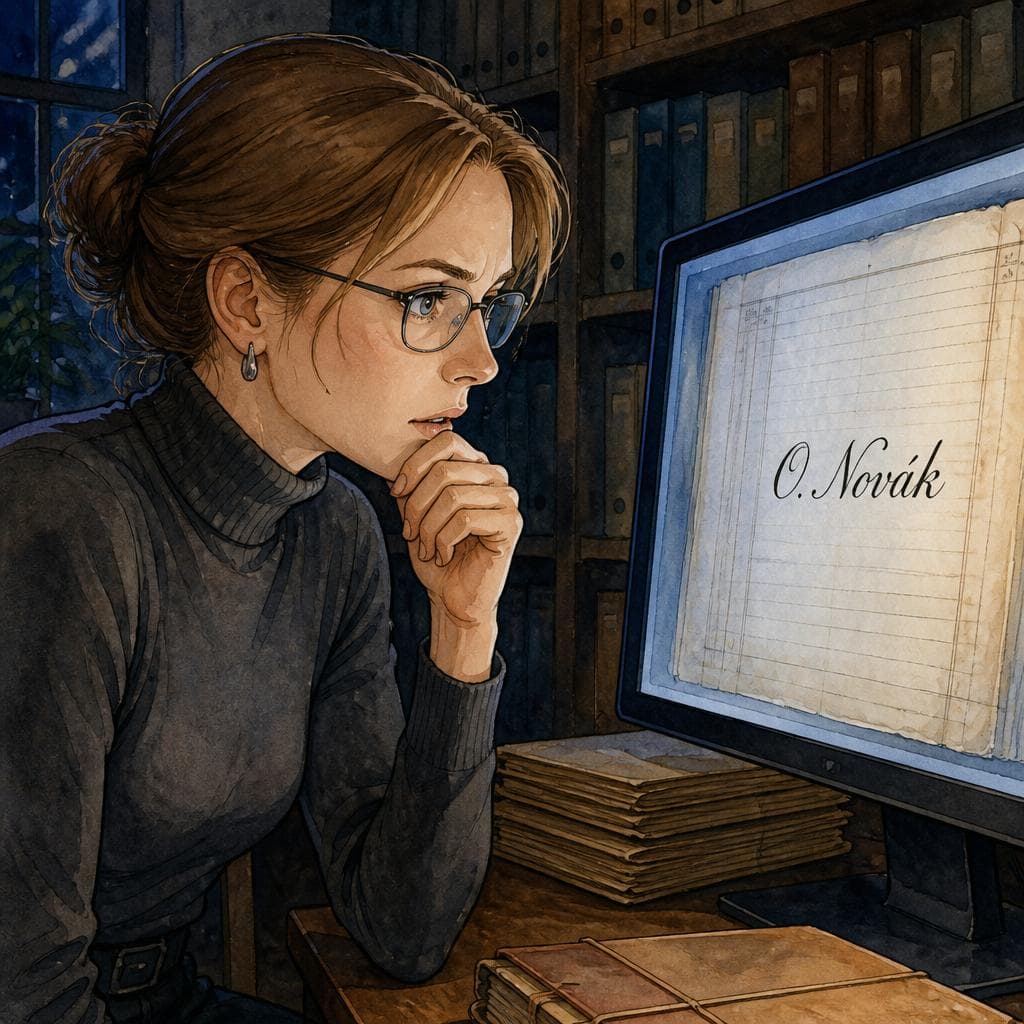
O. Novák. Ondřej Novák. His mother's maiden name, which she only knew because she had once helped digitise his personal papers.
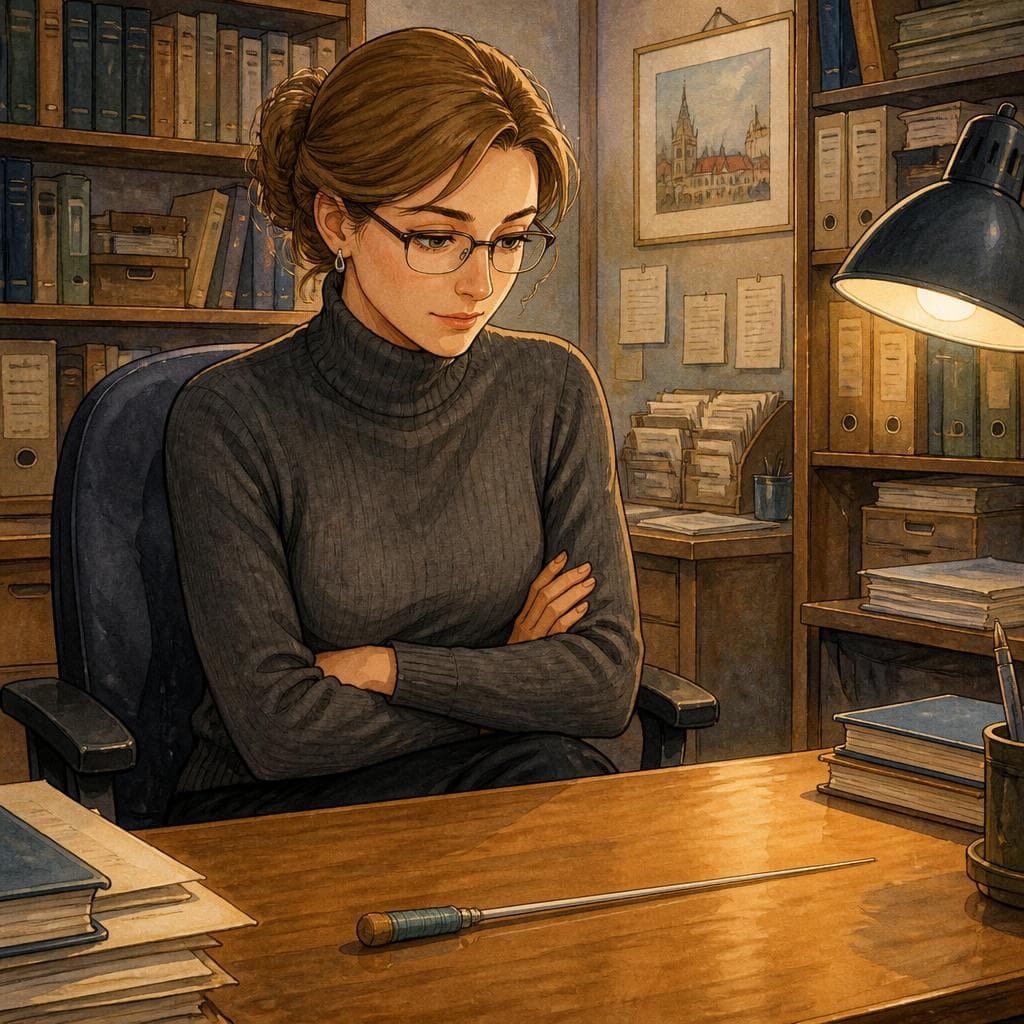
She sat back in her chair and looked at the baton in its evidence bag on her desk.
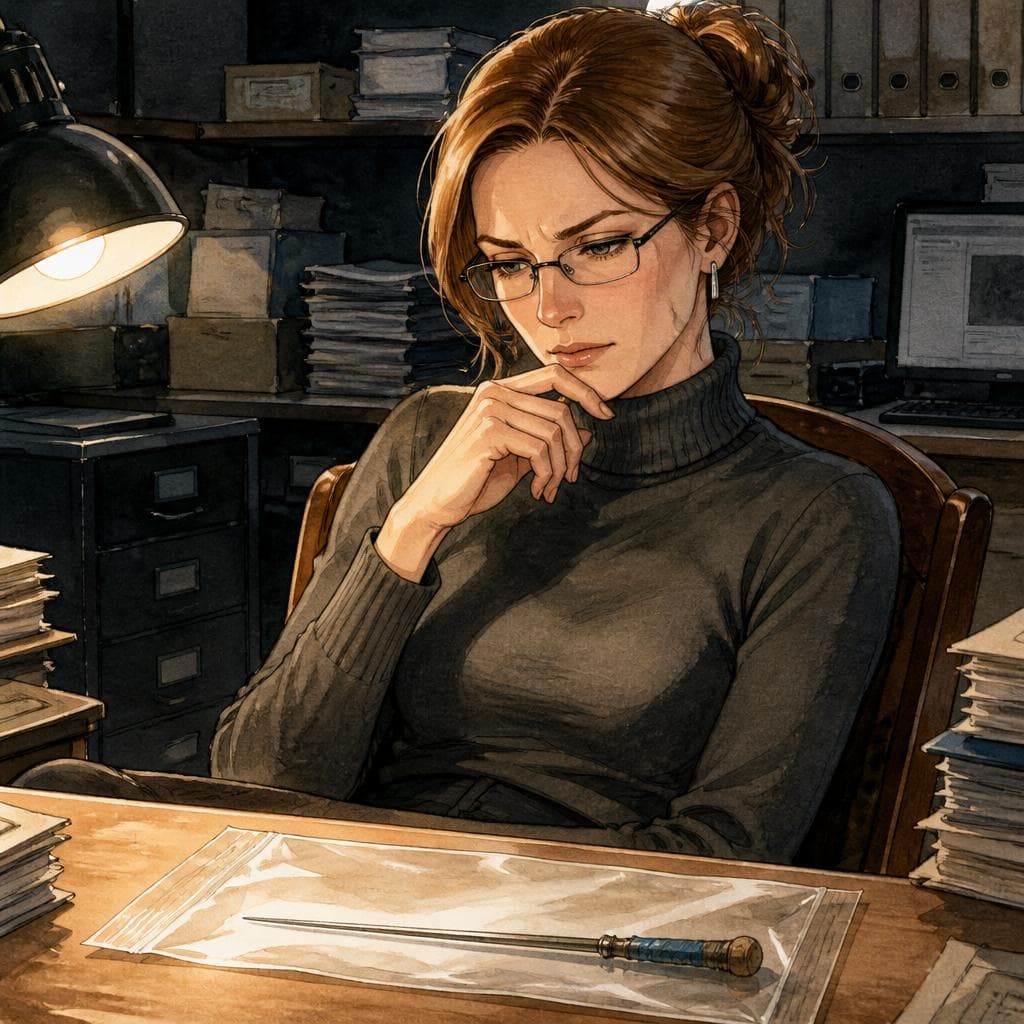
He had not died. He had left. Carefully, convincingly, with help — Sokolová's help, almost certainly — and for reasons that Mara could only guess at. Debt, perhaps. A threat. Or simply the exhaustion of being a public person who had never really wanted to be public, which she could believe more easily than the others because she had heard it in his music, in the way he sometimes conducted the quietest passages with his eyes closed, as though the audience had already gone home.
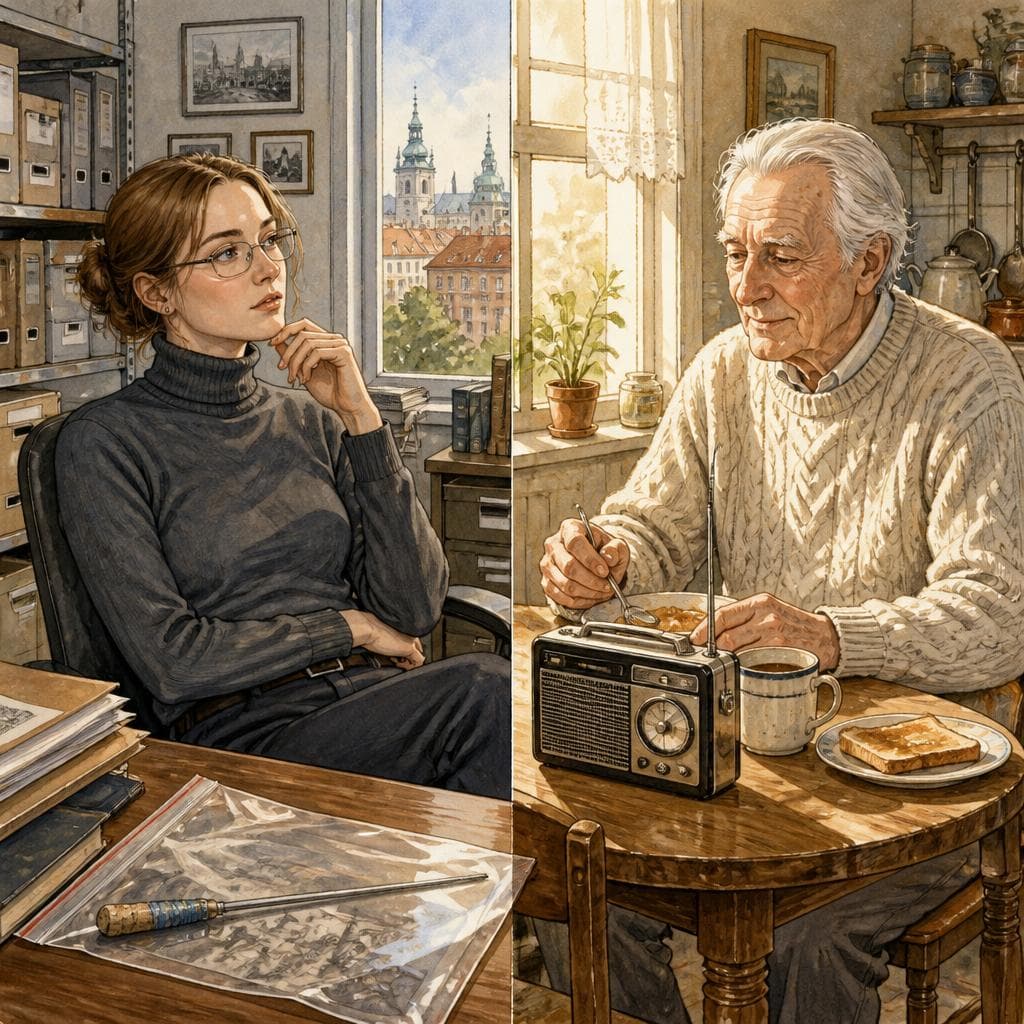
She could report what she had found. She probably should. There was a scholarship fund receiving donations in the name of a man who might still be alive somewhere, eating breakfast in a small apartment and listening to the radio.
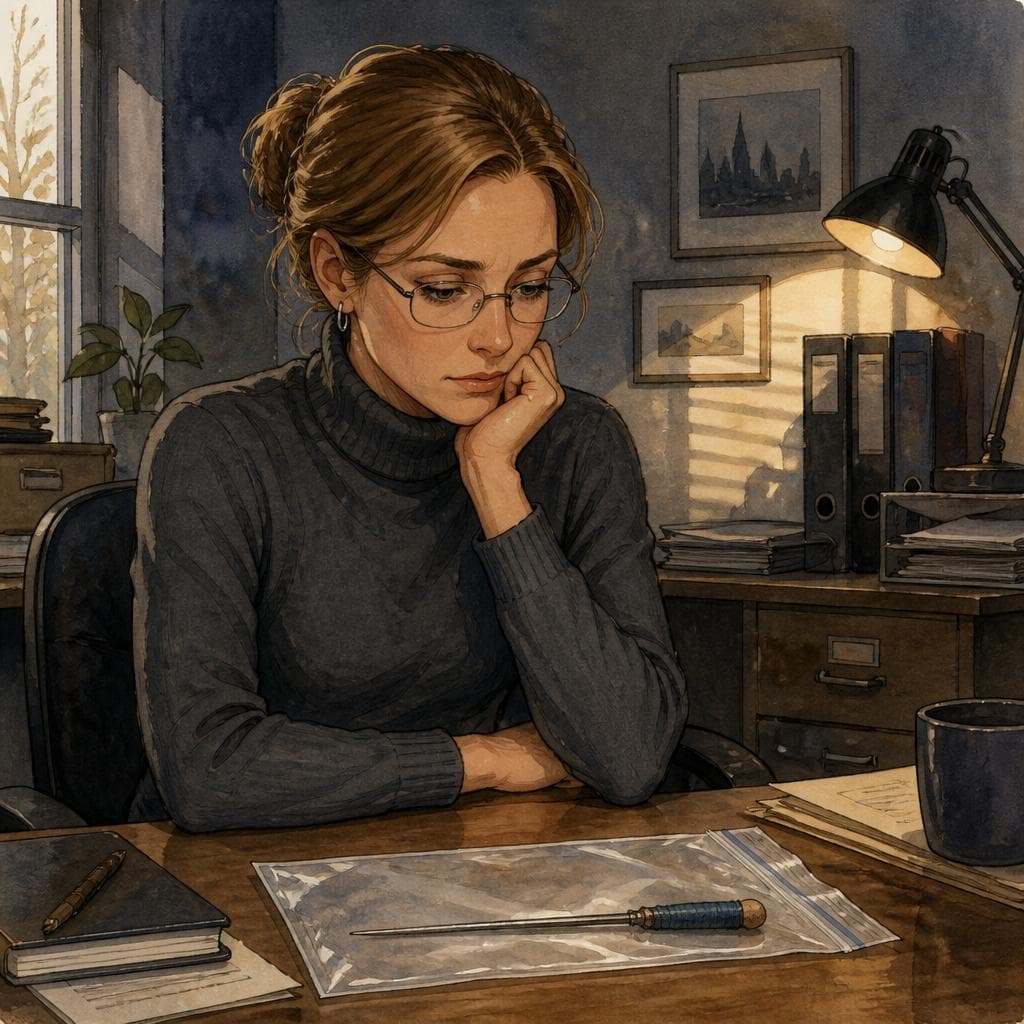
But she also thought about the law firm in Zurich, and the pause in Sokolová's voice, and the fact that eleven years had passed without anyone being hurt by his absence.
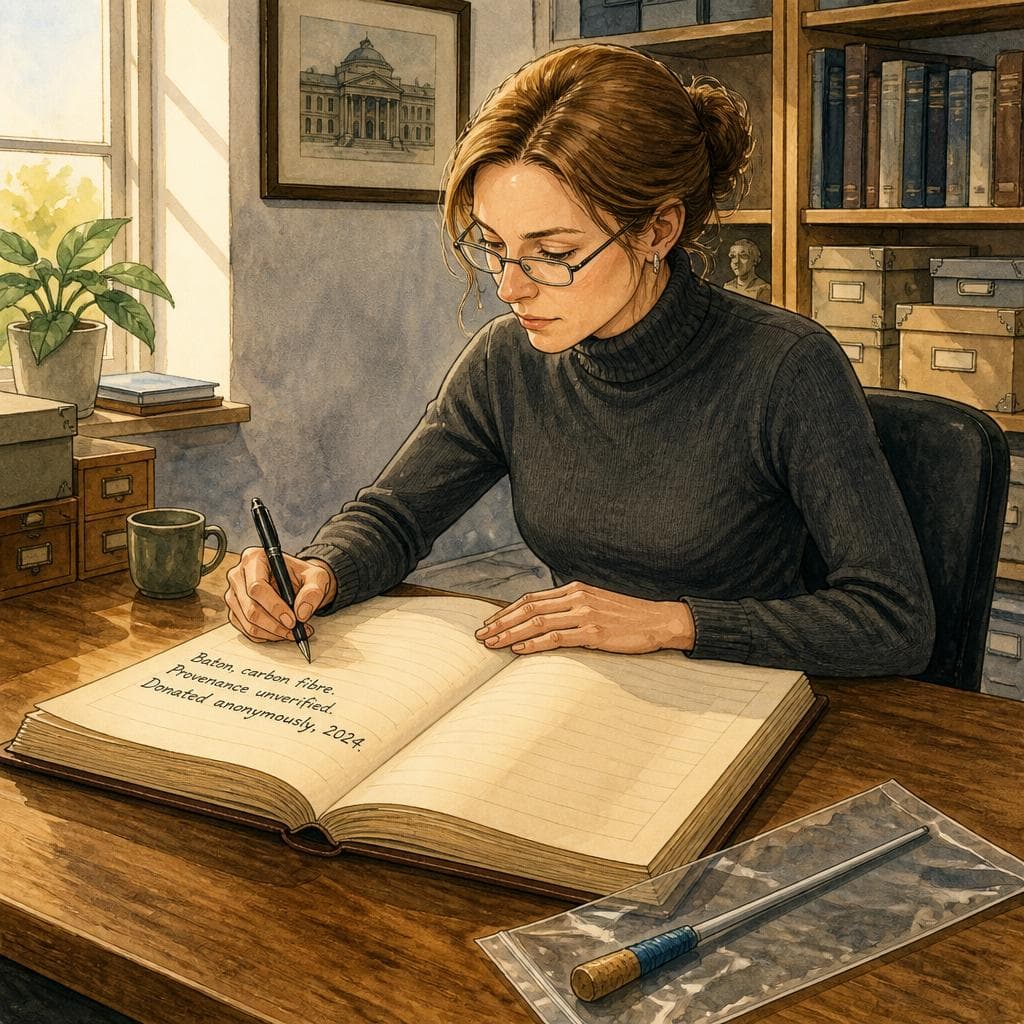
In the end, she wrote a single line in the accession record: Baton, carbon fibre. Provenance unverified. Donated anonymously, 2024.

Then she locked it in a cabinet with the other things that had no clean explanation, and went home.
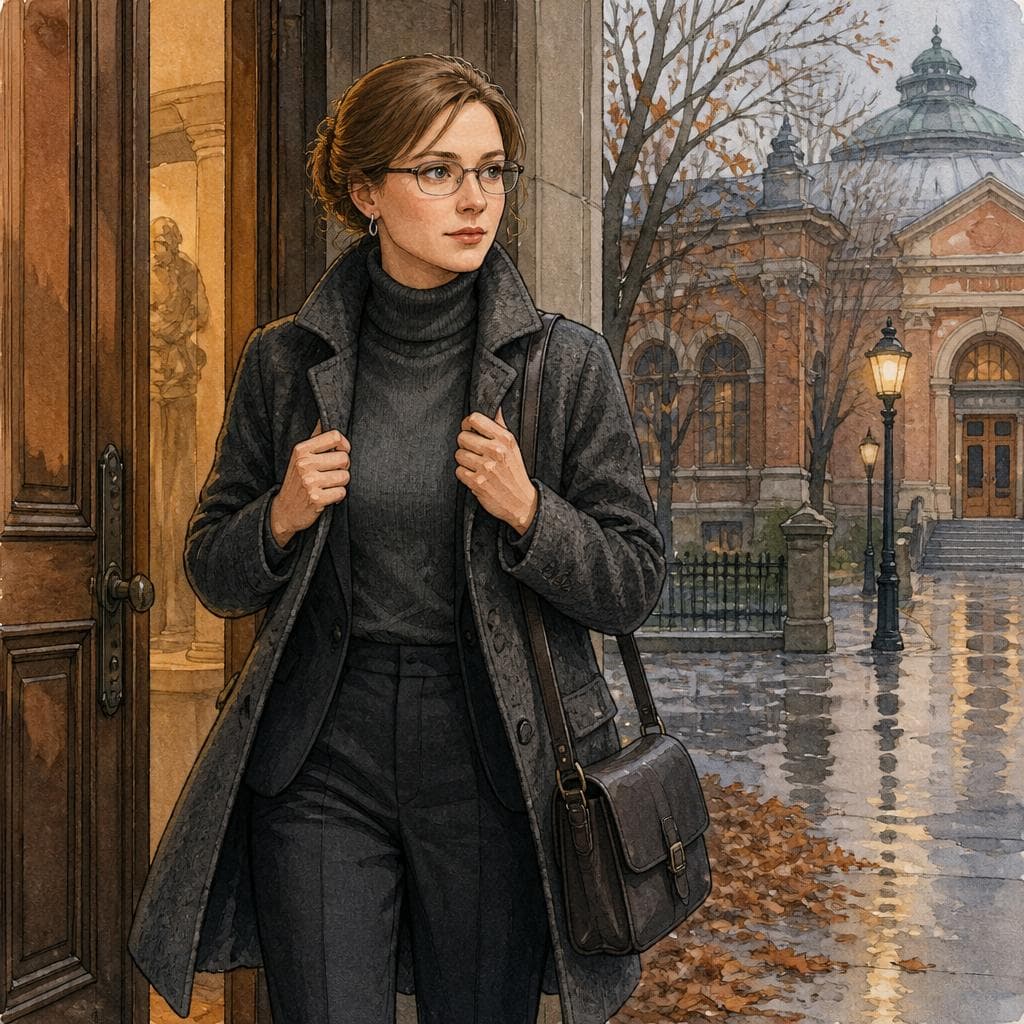
The least dramatic day of the week, she thought again, walking out into the November cold. And yet.