The Linesman Who Never Explained His Flag
単語をタップするとすぐに翻訳されます。再生ボタンを使って、読みながらストーリーを聞きましょう。
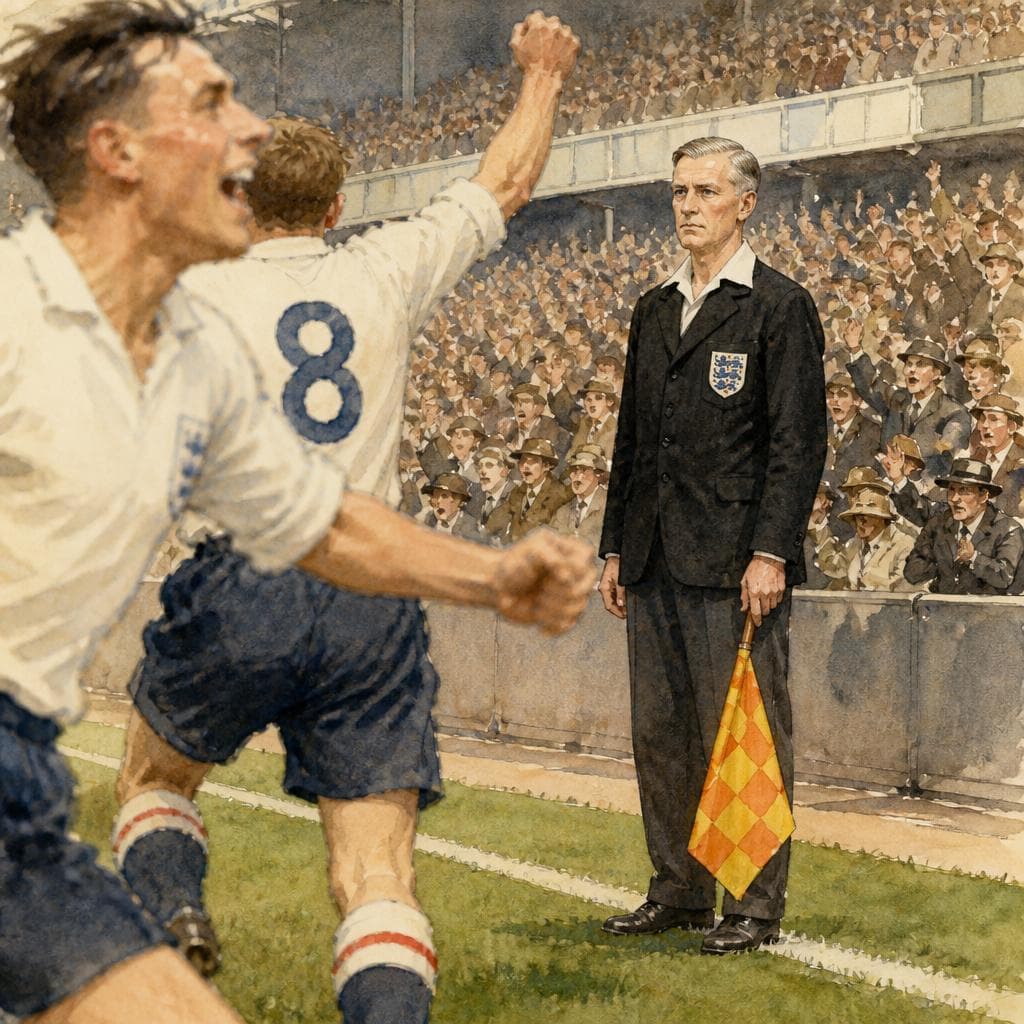
There is a photograph taken at Wembley Stadium on the afternoon of May 3rd, 1952. In the foreground, eleven men in white shirts are celebrating, arms raised, mouths open in silent screams of joy. In the background, barely visible near the touchline, a man in a black jacket stands completely still. His flag is down. His face is unreadable. His name was Arthur Peel, and by the following Monday morning, half of England wanted an explanation from him.
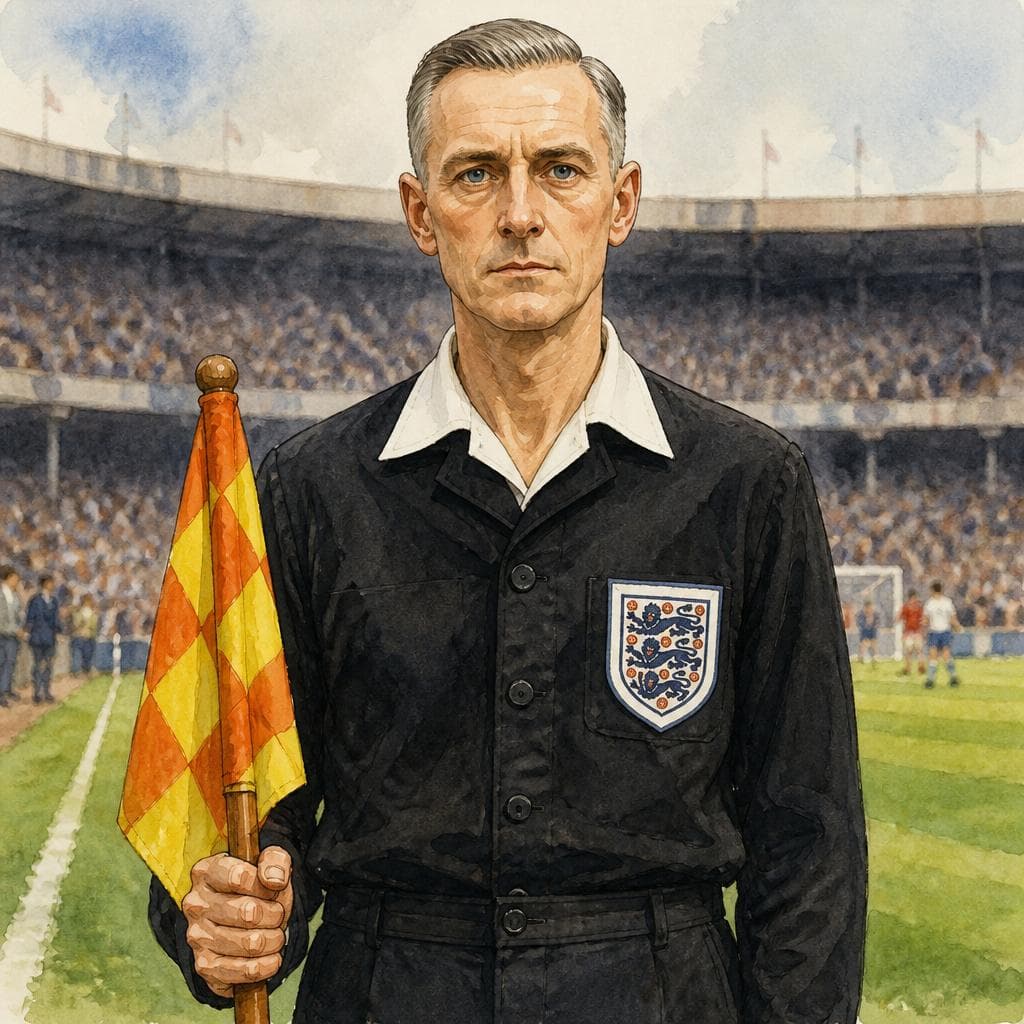
They never got one.
The match was a First Division fixture between Midlands United and Mersey Athletic, two clubs that had not won a title in decades. The prize was not merely a trophy. It was survival—financial survival. The winning club had already negotiated a lucrative sponsorship deal, one that would allow them to rebuild their crumbling ground, strengthen their squad, and compete seriously for the next ten years. The losing club faced a different future: wage cuts, the sale of their best players, and what the local press called "a slow and undignified retreat from the top flight."
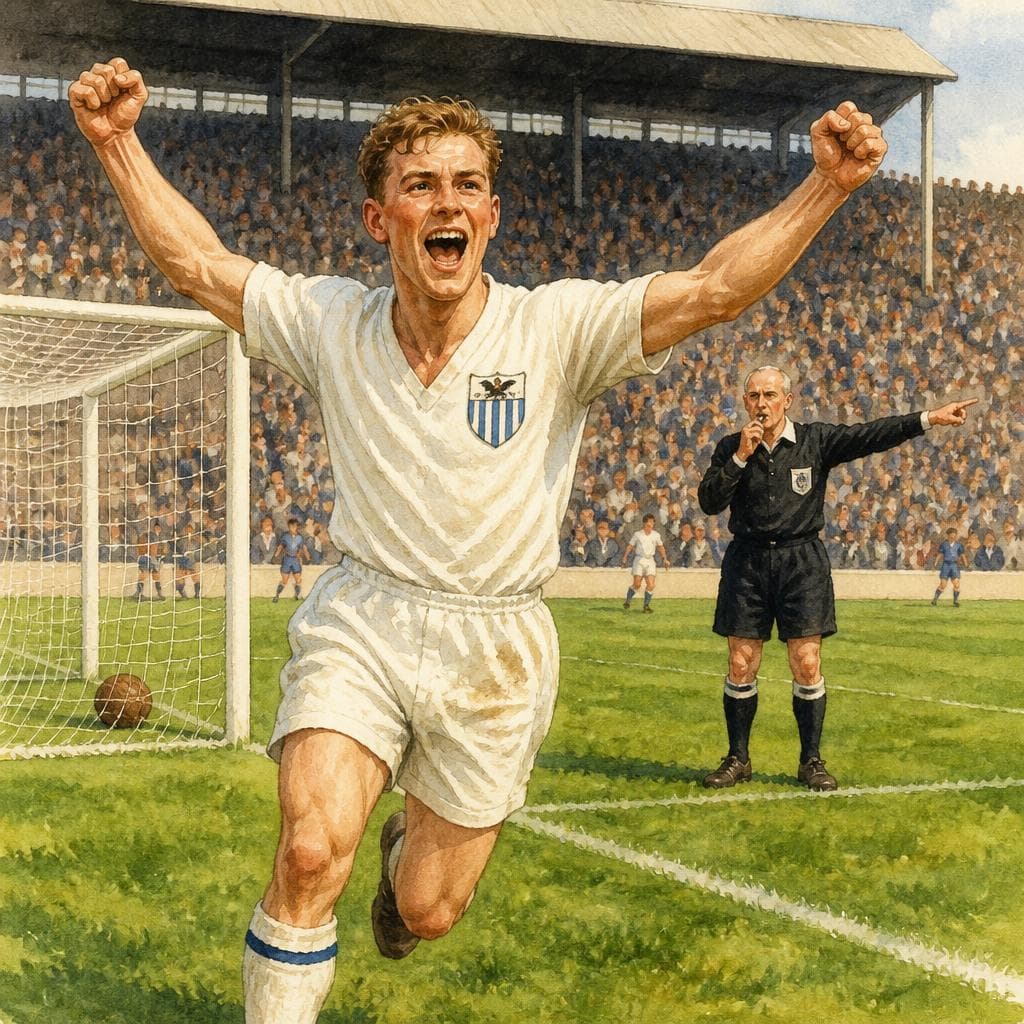
In the 88th minute, with the score level at 1–1, a Midlands United forward named Colin Hartley received a long pass and ran clear of the defence. The crowd held its breath. Hartley struck the ball cleanly, and it crossed the line. The referee blew his whistle and pointed to the centre circle. A goal.
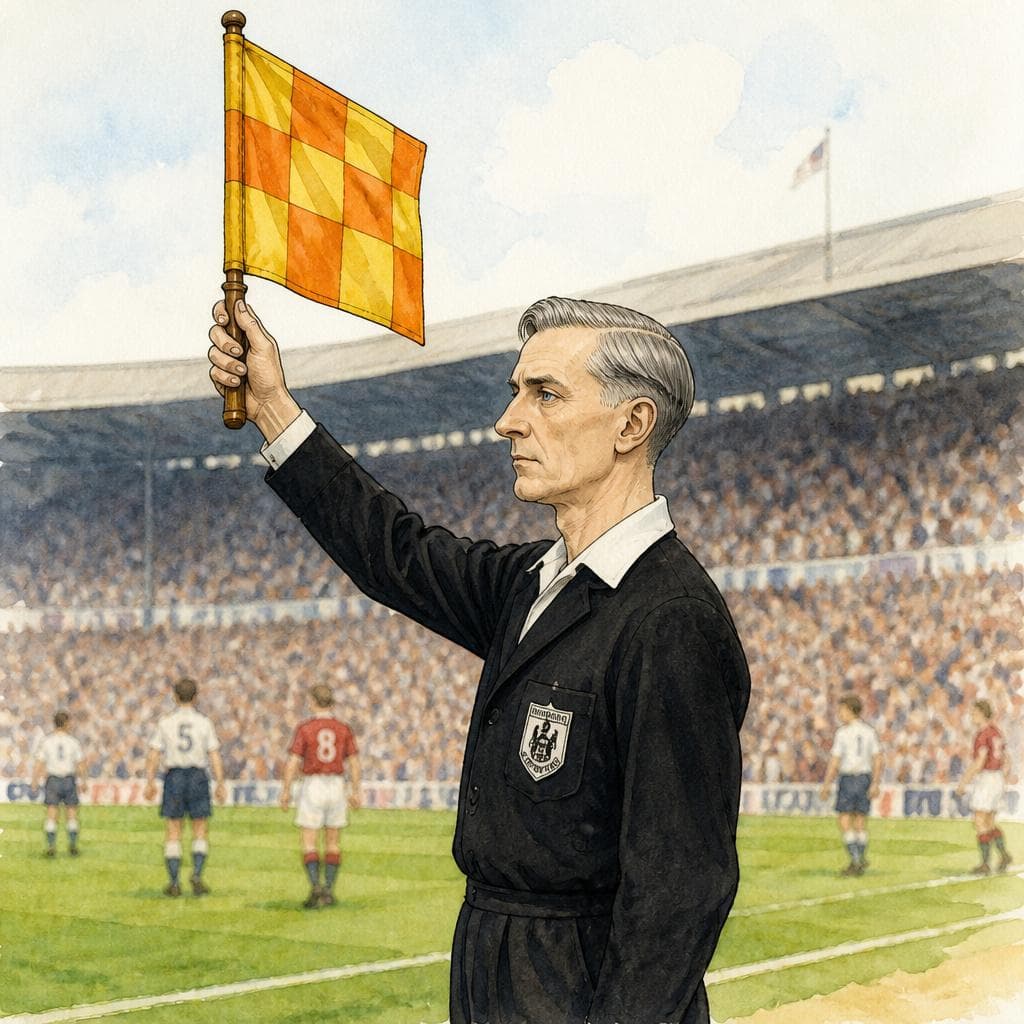
Then Arthur Peel raised his flag.
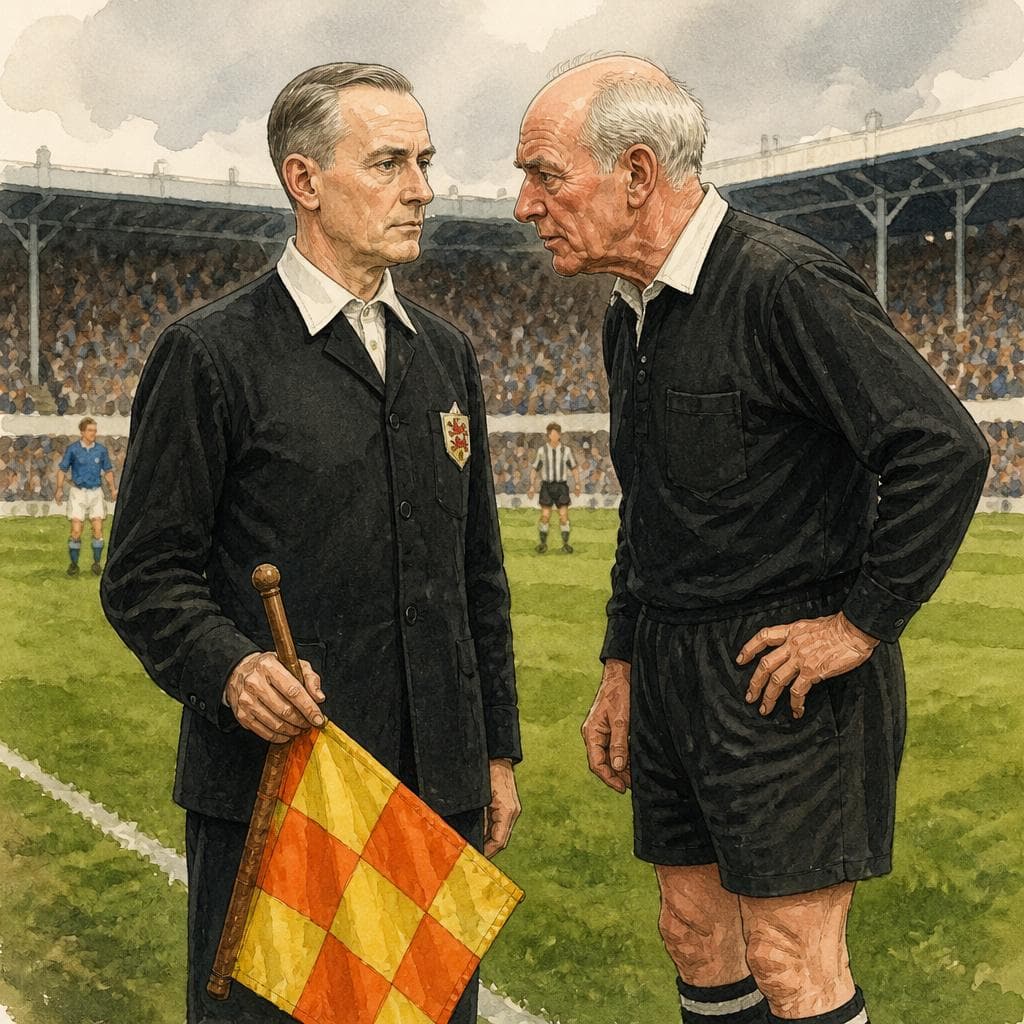
The referee walked over. The two men spoke for what witnesses later described as "no more than fifteen seconds." Then the referee turned, gestured to disallow the goal, and restarted play. The match ended 1–1. In the replay three days later, Mersey Athletic won. Midlands United, as the newspapers had predicted, began selling players before the summer was over.
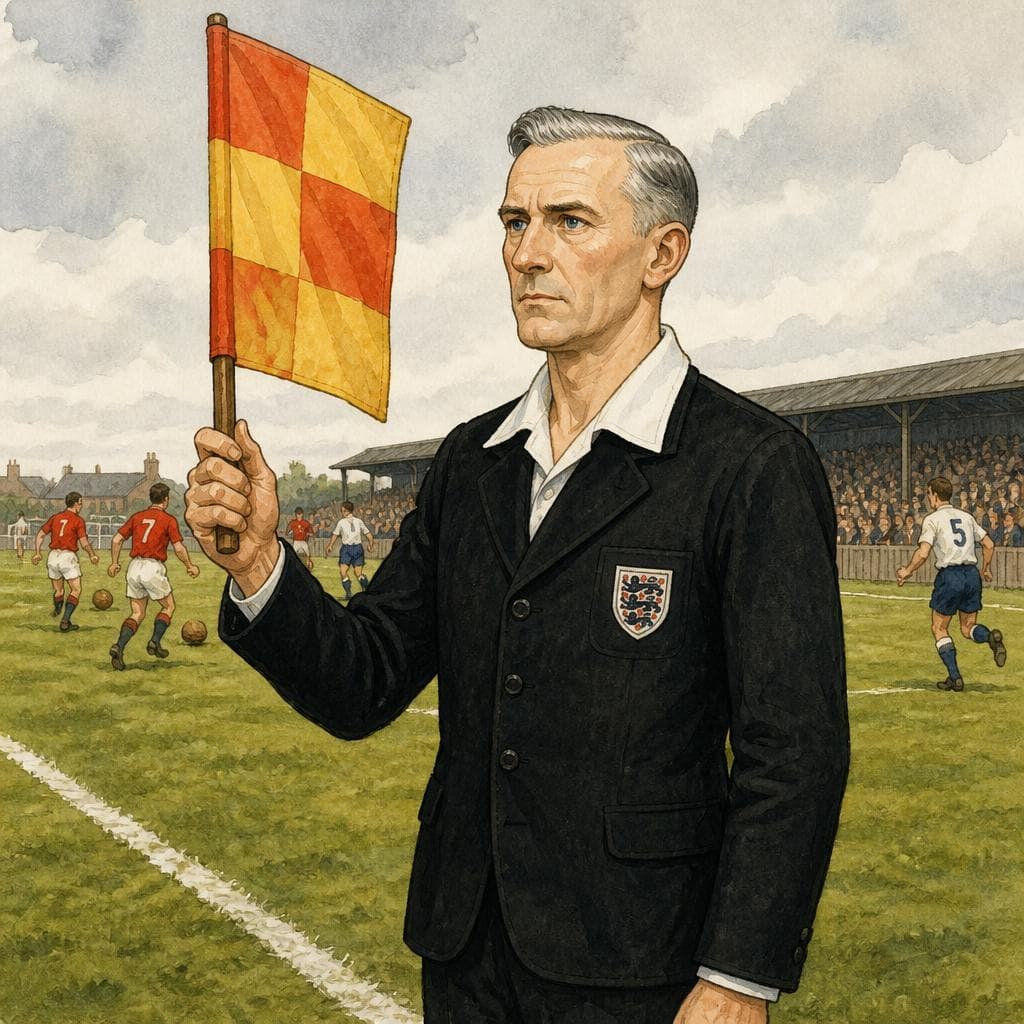
The official reason given was offside. This was plausible, of course. It was, after all, the linesman's job to monitor such things. But several problems emerged almost immediately.
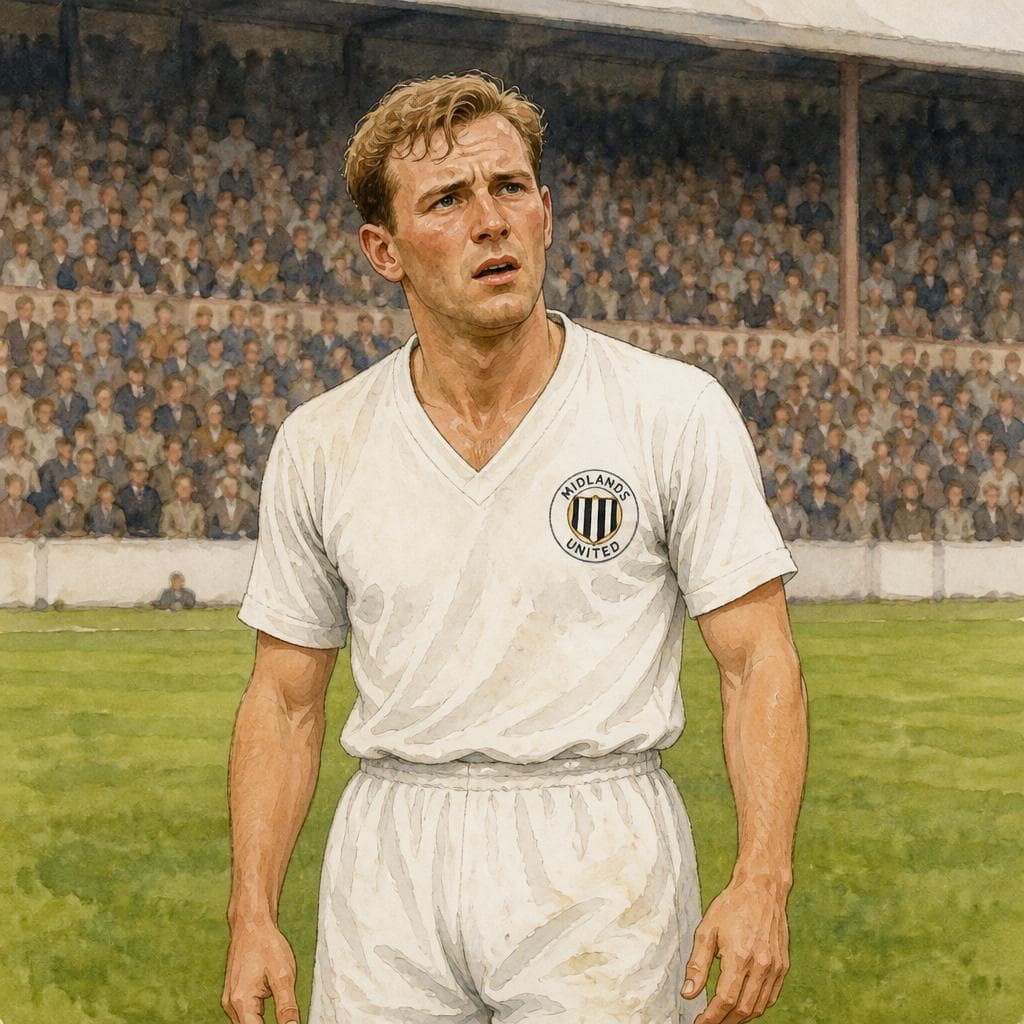
Film footage—grainy, incomplete, but genuine—showed Hartley clearly behind the ball when it was played. Two retired referees who reviewed the footage publicly stated that the decision appeared to be incorrect. The defender who had been positioned nearest to Hartley gave an interview saying, with some discomfort, that he had been certain the goal would stand.
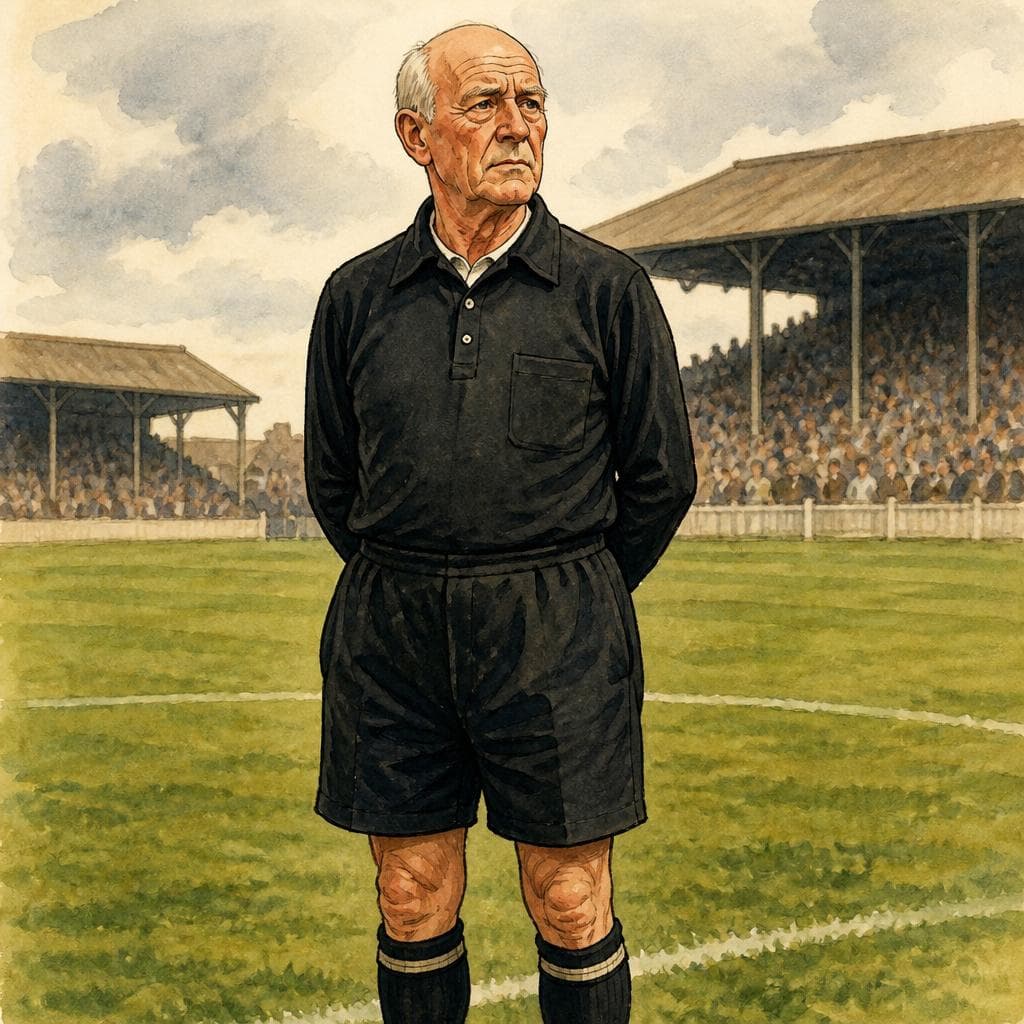
None of this was conclusive. Football decisions never are, entirely. The rules of the game allowed for human judgement, which meant they also allowed for human error. The Football Association reviewed the incident and found no grounds for formal action. The referee, who was elderly and retired within the year, gave a short statement saying he had "acted on the information available to him." He did not elaborate.
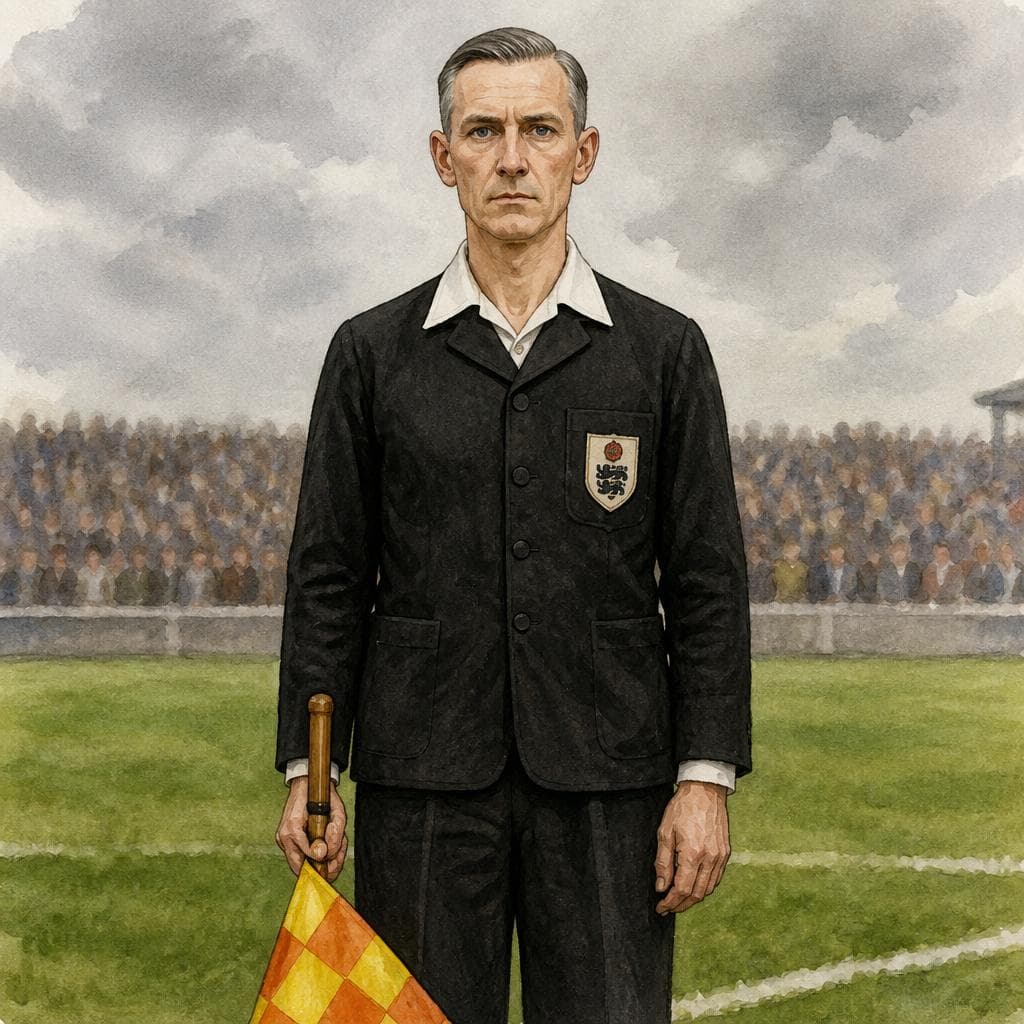
Arthur Peel said nothing at all.
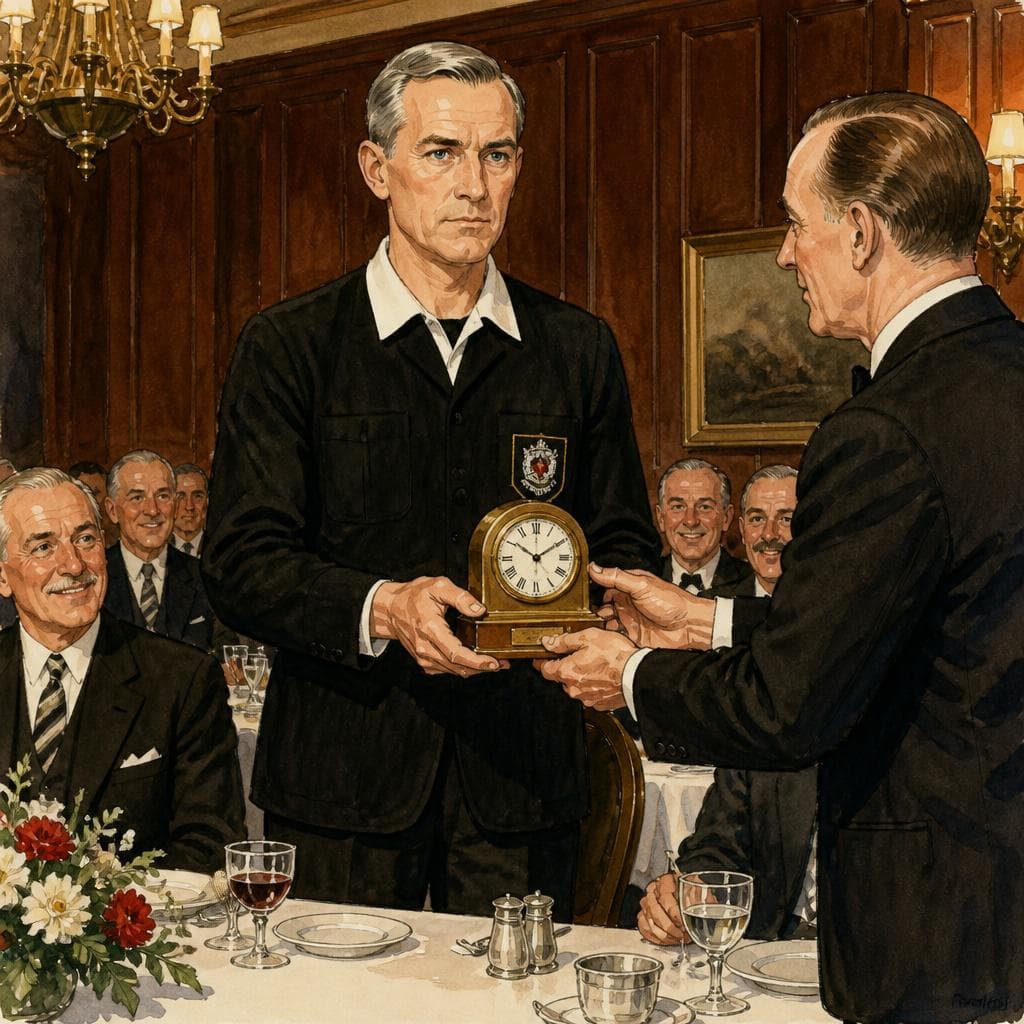
He continued working as a linesman for another four seasons. He was never formally accused of anything. He was never suspended, censured, or called before a disciplinary board. He officiated at dozens of further matches without significant incident. He attended his retirement dinner in 1956, shook hands with the officials, and accepted a small engraved clock as a gift. When a journalist attempted to approach him at the event, a colleague placed a hand on the journalist's arm and quietly suggested that the evening was not the moment.
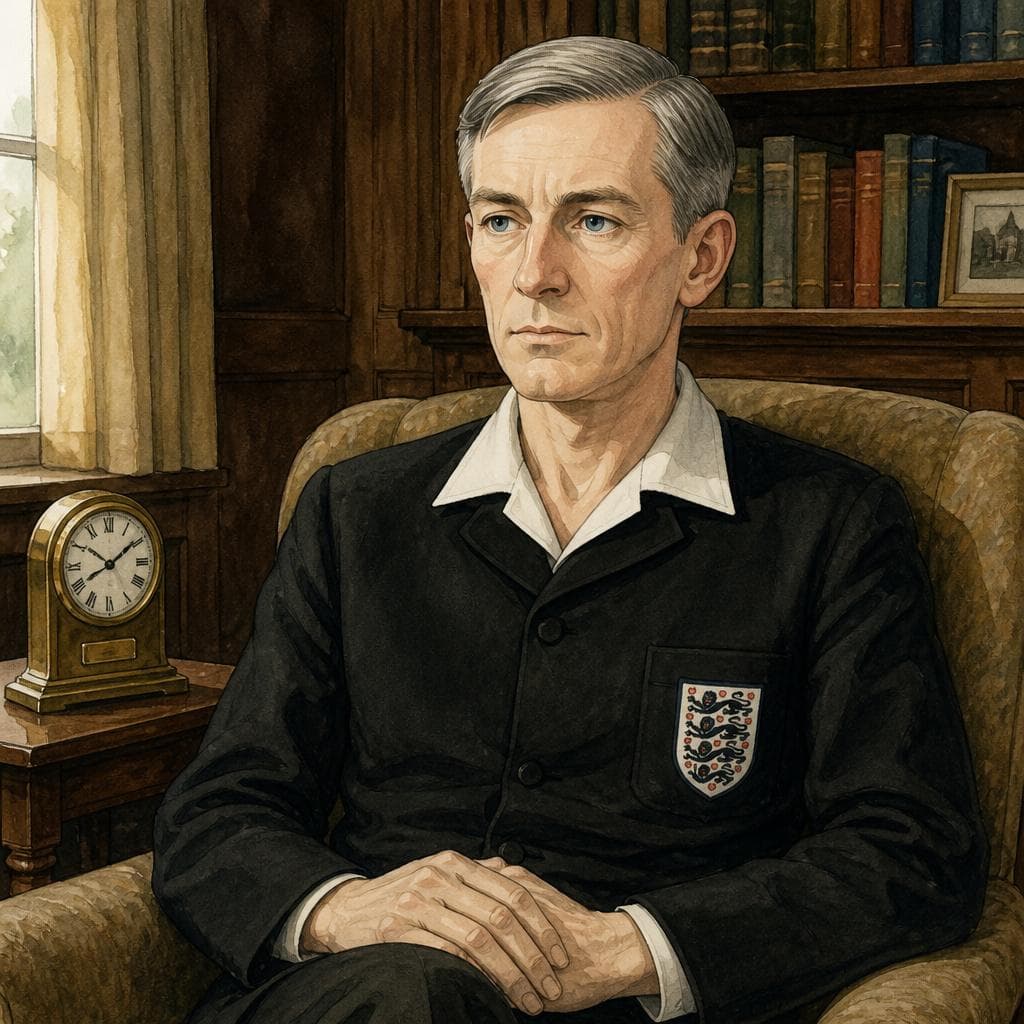
Peel died in 1971. His obituary in the local paper was four sentences long and mentioned the 1952 match only in passing, describing it as "a moment of controversy that Mr Peel chose never to address." His daughter, speaking to a football historian in 1988, said only that her father had been "a private man" and that he had never discussed that afternoon.
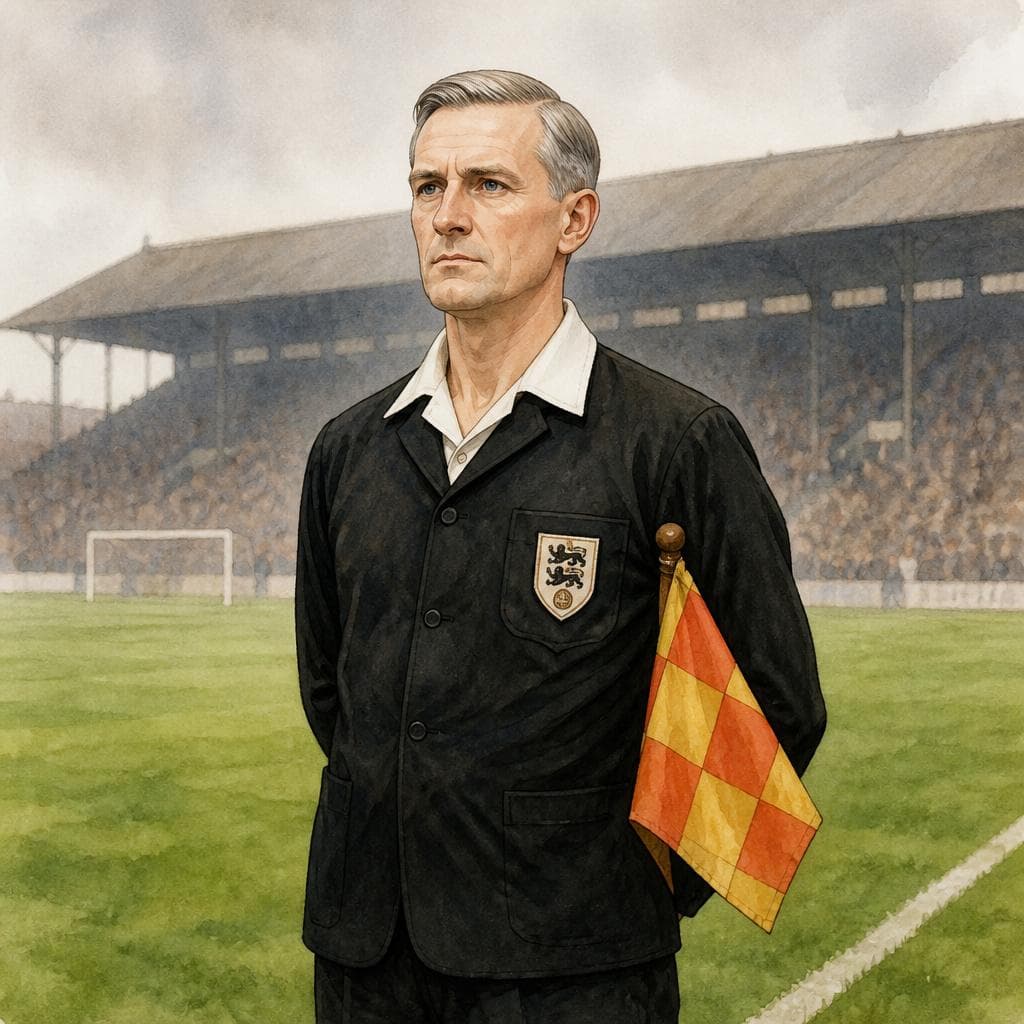
What actually happened? The honest answer is that nobody knows. Several theories have circulated over the decades. The most dramatic—that Peel had been offered money to influence the outcome—has never been supported by evidence. The most generous—that he genuinely believed he had seen an offside and was simply mistaken—is psychologically plausible, though it explains the silence without quite excusing it. The most mundane—that the angle was difficult and he did his best—is perhaps the most likely, yet it has attracted the least attention because it offers no drama, only an accident.
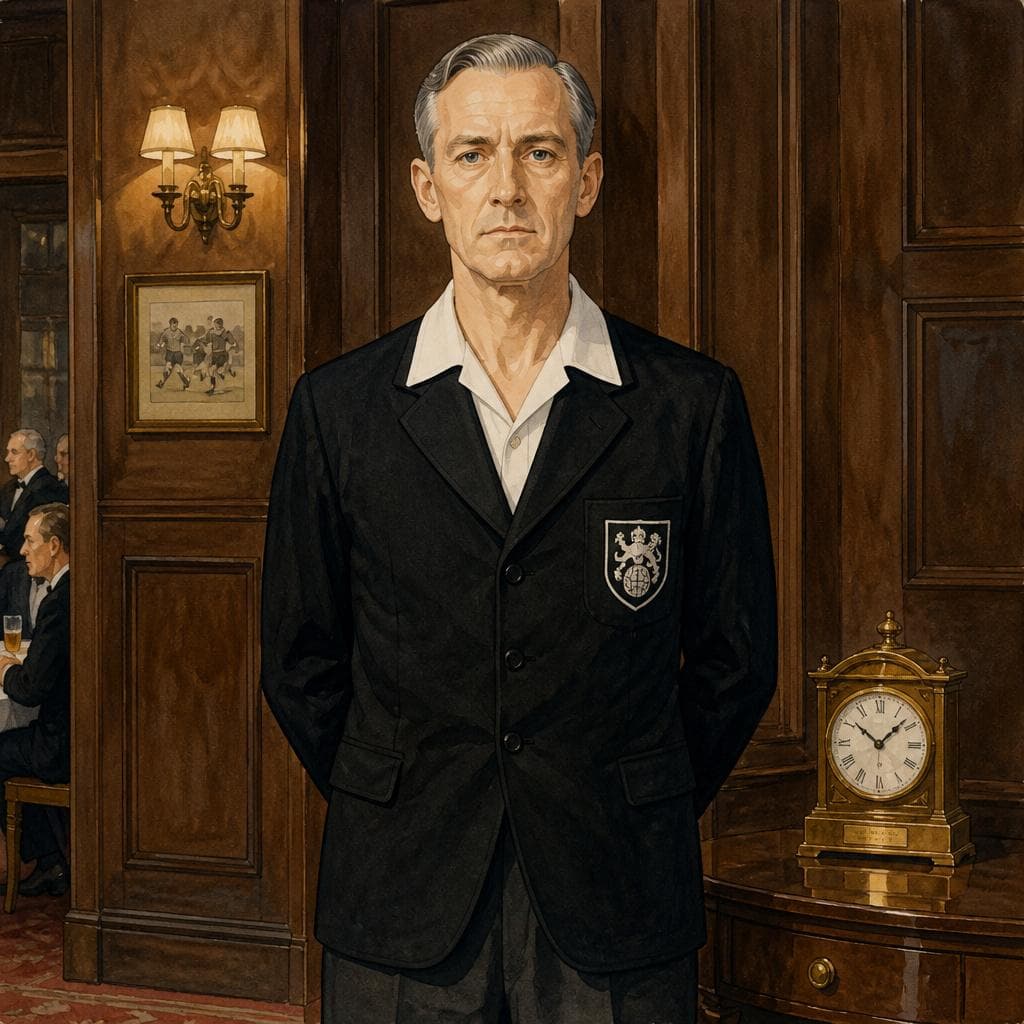
What is remarkable is not the decision itself. Referees make mistakes. What is remarkable is the silence—sustained, deliberate, and absolute—that followed it. Most men, when accused of something they did not do, feel a powerful urge to defend themselves. And most men, when guilty of something they regret, eventually find some oblique way of letting it be known: a half-apology, a too-careful denial, or a look that lingers a moment too long.
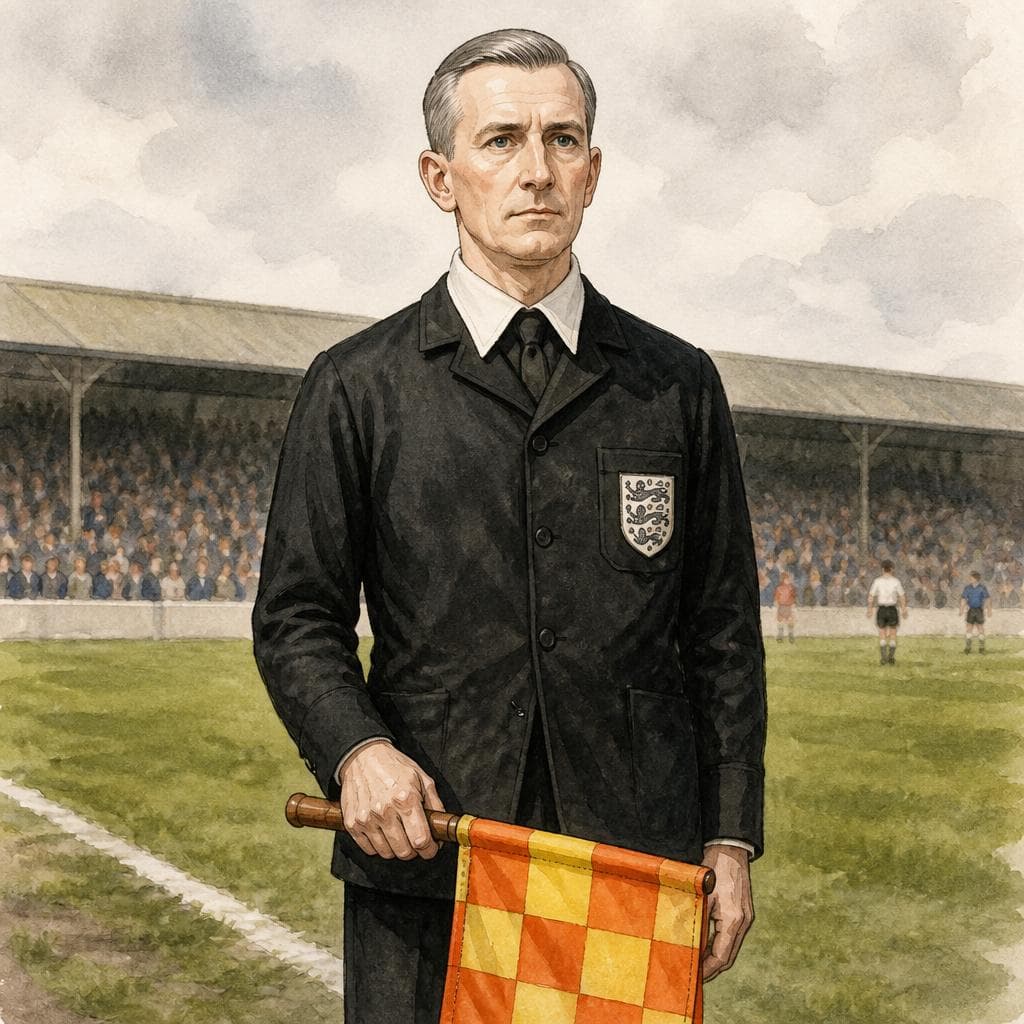
Arthur Peel offered none of these. He raised his flag, he lowered it, and he never spoke of it again. In a world where everyone, eventually, explains themselves, that kind of silence is almost stranger than the act that caused it.

The grandson of Colin Hartley—the forward whose goal was disallowed—gave an interview to a sports podcast in 2019. He had never met Arthur Peel. He had no particular grievance to express. But he had grown up hearing the story at the dinner table, passed down through his family like an old piece of furniture that nobody quite knew what to do with.

"The strange thing," he said, near the end of the interview, "is that I don't know if I want to know the truth anymore. I used to. But after all this time, the not-knowing is almost part of it. It belongs to the story."

He paused.

"I think that might be what my granddad never forgave him for. Not the flag. The silence. The way he made it so that nobody could ever really close it."