Koniugacja aplastar Tryb warunkowy
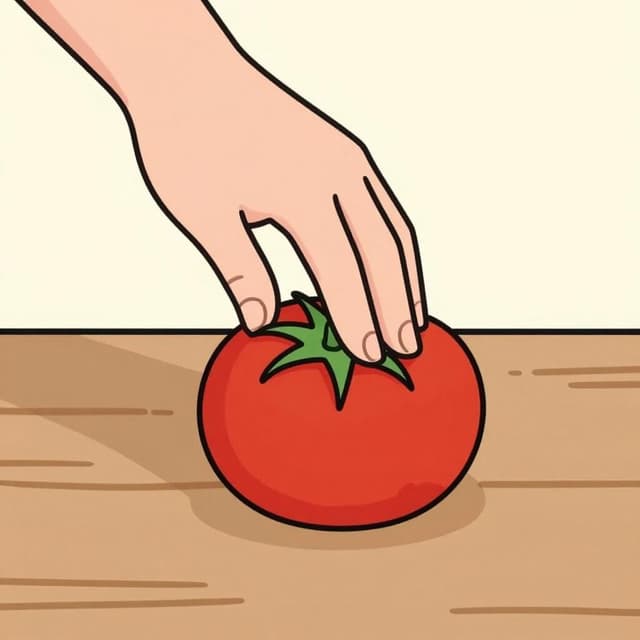
aplastar — to crush
The conditional of aplastar is regular: aplastaría, aplastarías, aplastaría, aplastaríamos, aplastaríais, aplastarían.
Formy aplastar Tryb warunkowy
Kiedy używać Tryb warunkowy
Use the conditional of 'aplastar' for hypothetical situations ('would crush'), polite requests, or to talk about the future from a past perspective ('He said he would crush it').
Uwagi dotyczące aplastar w czasie Tryb warunkowy
'Aplastaría' is regular in the conditional tense. The stem is the infinitive 'aplastar', and the endings are the standard conditional endings.
Przykładowe zdania
Yo aplastaría el botón si tuviera guantes.
I would press the button if I had gloves.
yo
¿Tú aplastarías la lata para que quepa en el cubo?
Would you crush the can so it fits in the bin?
tú
Él dijo que aplastaría la competencia.
He said he would crush the competition.
él/ella/usted
Nosotros aplastaríamos los tomates si estuvieran maduros.
We would crush the tomatoes if they were ripe.
nosotros
Częste błędy
Błąd: Confusing conditional with future.
Poprawnie: Use 'aplastaría' for 'would crush' (hypothetical) and 'aplastará' for 'will crush' (certainty).
Dlaczego: The conditional deals with possibilities and hypotheticals, while the future deals with expected events.
Błąd: Forgetting the accent on the 'vosotros' form.
Poprawnie: It's 'aplastaríais', not 'aplastariais'.
Dlaczego: The accent is necessary for correct pronunciation and stress.
Opanuj hiszpańskie czasowniki w kontekście
Zapamiętywanie tabel to dopiero początek. Przeczytaj ponad 200 ilustrowanych i udźwiękowionych hiszpańskich historii, aby zobaczyć czasowniki takie jak 'aplastar' używane naturalnie — w czasach, których się uczysz.
Powiązane czasy
Czas teraźniejszy
yo: aplasto
The present tense of aplastar is regular: aplasto, aplastas, aplasta, aplastamos, aplastáis, aplastan.
Czas przeszły prosty
yo: aplasté
The preterite of aplastar is regular: aplasté, aplastaste, aplastó, aplastamos, aplastasteis, aplastaron.
Czas przeszły niedokonany
yo: aplastaba
The imperfect of aplastar (aplastaba, aplastabas, etc.) describes ongoing or habitual past actions.
Czas przyszły
yo: aplastaré
The future of aplastar is regular: aplastaré, aplastarás, aplastará, aplastaremos, aplastaréis, aplastarán.
Tryb Subj. teraźniejszy
yo: aplaste
The present subjunctive of aplastar (aplaște, aplastes, aplasten, etc.) expresses wishes, doubts, or emotions.
Tryb Subj. przeszły niedokonany
yo: aplastara
The imperfect subjunctive of aplastar (aplastara, aplastaras, etc.) is for past hypotheticals or wishes.
Tryb rozkazujący (twierdzący)
yo: aplasta
Use aplasta, aplastad, aplasten, etc. for direct commands with aplastar.
Tryb rozkazujący (przeczący)
yo: no aplastes
Use no aplastes, no aplastéis, no aplasten, etc. for negative commands with aplastar.