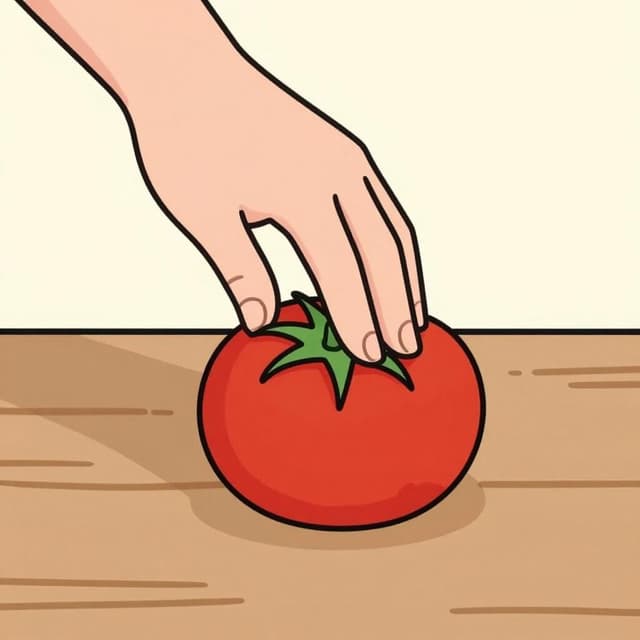
Koniugacja aplastar Czas teraźniejszy
aplastar — to crush
The present tense of aplastar is regular: aplasto, aplastas, aplasta, aplastamos, aplastáis, aplastan.
Formy aplastar Czas teraźniejszy
Kiedy używać Czas teraźniejszy
Use the present tense of 'aplastar' for actions happening right now, habitual actions, or general truths related to crushing. For example, describing how a machine crushes things regularly.
Uwagi dotyczące aplastar w czasie Czas teraźniejszy
'Aplastamos' is the only form that looks identical to another tense (preterite nosotros). Context will clarify whether it's present ('We crush') or preterite ('We crushed'). Otherwise, 'aplastar' is regular in the present tense.
Przykładowe zdania
Yo aplasto la masa con mis manos.
I crush the dough with my hands.
yo
¿Tú aplastas las cajas antes de reciclarlas?
Do you crush the boxes before recycling them?
tú
La máquina aplasta el metal.
The machine crushes the metal.
él/ella/usted
Ellos aplastan las uvas para hacer vino.
They crush the grapes to make wine.
ellos/ellas/ustedes
Częste błędy
Błąd: Using 'aplasto' when you mean 'I am crushing' right now.
Poprawnie: For actions happening now, you can use the present tense 'aplasto', or the present progressive 'estoy aplastando'.
Dlaczego: Both are correct, but the progressive emphasizes the action is in progress at this very moment.
Błąd: Confusing the 'vosotros' form.
Poprawnie: Remember it's 'aplastáis' with an accent, not 'aplastas'.
Dlaczego: The accent marks the stressed syllable for the 'vosotros' form.
Opanuj hiszpańskie czasowniki w kontekście
Zapamiętywanie tabel to dopiero początek. Przeczytaj ponad 200 ilustrowanych i udźwiękowionych hiszpańskich historii, aby zobaczyć czasowniki takie jak 'aplastar' używane naturalnie — w czasach, których się uczysz.
Powiązane czasy
Czas przeszły prosty
yo: aplasté
The preterite of aplastar is regular: aplasté, aplastaste, aplastó, aplastamos, aplastasteis, aplastaron.
Czas przeszły niedokonany
yo: aplastaba
The imperfect of aplastar (aplastaba, aplastabas, etc.) describes ongoing or habitual past actions.
Czas przyszły
yo: aplastaré
The future of aplastar is regular: aplastaré, aplastarás, aplastará, aplastaremos, aplastaréis, aplastarán.
Tryb warunkowy
yo: aplastaría
The conditional of aplastar is regular: aplastaría, aplastarías, aplastaría, aplastaríamos, aplastaríais, aplastarían.
Tryb Subj. teraźniejszy
yo: aplaste
The present subjunctive of aplastar (aplaște, aplastes, aplasten, etc.) expresses wishes, doubts, or emotions.
Tryb Subj. przeszły niedokonany
yo: aplastara
The imperfect subjunctive of aplastar (aplastara, aplastaras, etc.) is for past hypotheticals or wishes.
Tryb rozkazujący (twierdzący)
yo: aplasta
Use aplasta, aplastad, aplasten, etc. for direct commands with aplastar.
Tryb rozkazujący (przeczący)
yo: no aplastes
Use no aplastes, no aplastéis, no aplasten, etc. for negative commands with aplastar.