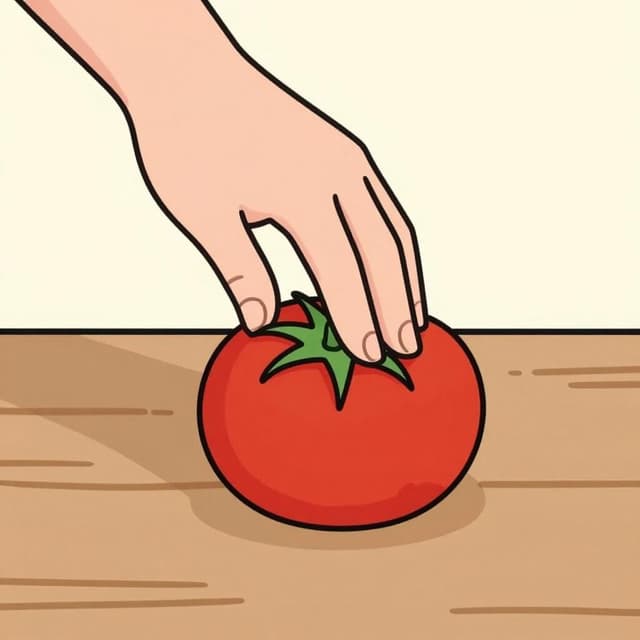
Koniugacja aplastar Tryb Subj. przeszły niedokonany
aplastar — to crush
The imperfect subjunctive of aplastar (aplastara, aplastaras, etc.) is for past hypotheticals or wishes.
Formy aplastar Tryb Subj. przeszły niedokonany
Kiedy używać Tryb Subj. przeszły niedokonany
This tense is used for hypothetical situations, wishes, or doubts in the past. Imagine talking about what you *would have* crushed or what you *wished* someone would crush, if things had been different.
Uwagi dotyczące aplastar w czasie Tryb Subj. przeszły niedokonany
'Aplastara' is regular in the imperfect subjunctive. The verb follows the standard -ar conjugation pattern for this tense.
Przykładowe zdania
Si hubiera sabido, no aplastara la caja.
If I had known, I wouldn't have crushed the box.
yo
Ojalá él aplastara la competencia.
I wish he would crush the competition.
él/ella/usted
Me pidió que aplastara la masa con más fuerza.
He asked me to crush the dough with more force.
yo
Dudaba que vosotros aplastarais el botón correcto.
I doubted that you all would press the correct button.
vosotros
Częste błędy
Błąd: Confusing the imperfect subjunctive with the preterite.
Poprawnie: Use 'aplastara' for hypotheticals like 'If I crushed...', not for completed actions like 'I crushed...'.
Dlaczego: The preterite describes definite past actions, while the imperfect subjunctive deals with unreal or hypothetical past conditions.
Błąd: Using the -ra form when the -se form is needed, or vice versa.
Poprawnie: While both are correct, the -ra form (aplastara) is generally more common and preferred in many regions.
Dlaczego: Both '-ra' and '-se' endings are valid for the imperfect subjunctive, but usage can vary regionally and stylistically.
Opanuj hiszpańskie czasowniki w kontekście
Zapamiętywanie tabel to dopiero początek. Przeczytaj ponad 200 ilustrowanych i udźwiękowionych hiszpańskich historii, aby zobaczyć czasowniki takie jak 'aplastar' używane naturalnie — w czasach, których się uczysz.
Powiązane czasy
Czas teraźniejszy
yo: aplasto
The present tense of aplastar is regular: aplasto, aplastas, aplasta, aplastamos, aplastáis, aplastan.
Czas przeszły prosty
yo: aplasté
The preterite of aplastar is regular: aplasté, aplastaste, aplastó, aplastamos, aplastasteis, aplastaron.
Czas przeszły niedokonany
yo: aplastaba
The imperfect of aplastar (aplastaba, aplastabas, etc.) describes ongoing or habitual past actions.
Czas przyszły
yo: aplastaré
The future of aplastar is regular: aplastaré, aplastarás, aplastará, aplastaremos, aplastaréis, aplastarán.
Tryb warunkowy
yo: aplastaría
The conditional of aplastar is regular: aplastaría, aplastarías, aplastaría, aplastaríamos, aplastaríais, aplastarían.
Tryb Subj. teraźniejszy
yo: aplaste
The present subjunctive of aplastar (aplaște, aplastes, aplasten, etc.) expresses wishes, doubts, or emotions.
Tryb rozkazujący (twierdzący)
yo: aplasta
Use aplasta, aplastad, aplasten, etc. for direct commands with aplastar.
Tryb rozkazujący (przeczący)
yo: no aplastes
Use no aplastes, no aplastéis, no aplasten, etc. for negative commands with aplastar.