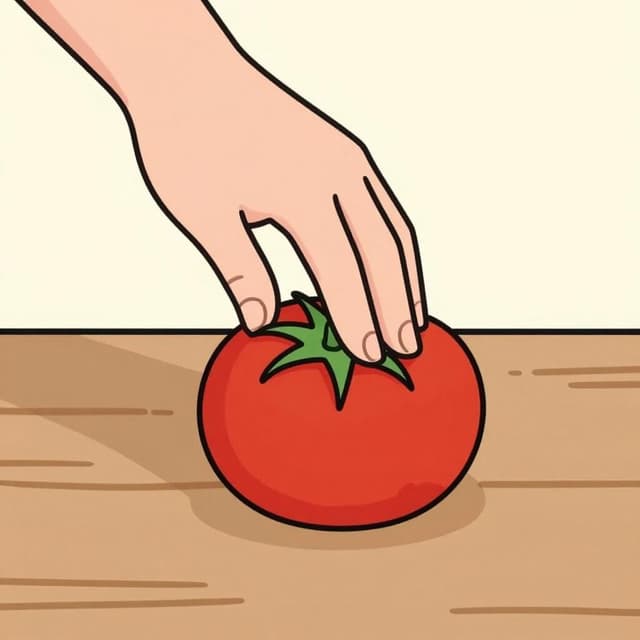
Koniugacja aplastar Tryb rozkazujący (twierdzący)
aplastar — to crush
Use aplasta, aplastad, aplasten, etc. for direct commands with aplastar.
Formy aplastar Tryb rozkazujący (twierdzący)
Kiedy używać Tryb rozkazujący (twierdzący)
You use the imperative mood to give direct commands or make strong suggestions. Think of telling someone to crush something right now, or instructing them not to. For 'aplastar', this usually means physically pressing something down.
Uwagi dotyczące aplastar w czasie Tryb rozkazujący (twierdzący)
The affirmative imperative for 'aplastar' is regular for all forms except 'tú', which drops the final -ar and adds -a (aplasta). The vosotros form drops the -r and adds -d (aplastad).
Przykładowe zdania
¡Aplastad las latas antes de tirarlas!
Crush the cans before throwing them away!
vosotros
Tú, aplasta bien el ajo.
You, crush the garlic well.
tú
Por favor, aplasten la caja.
Please, crush the box.
ustedes
Częste błędy
Błąd: Using the present indicative instead of imperative for commands.
Poprawnie: Instead of 'Tú aplastas la caja', use '¡Tú aplasta la caja!'
Dlaczego: The indicative describes actions, while the imperative gives commands.
Błąd: Forgetting the 'd' in the vosotros form.
Poprawnie: Say 'aplastad' not 'aplasta'.
Dlaczego: Adding '-d' is the standard way to form the vosotros imperative from the infinitive.
Opanuj hiszpańskie czasowniki w kontekście
Zapamiętywanie tabel to dopiero początek. Przeczytaj ponad 200 ilustrowanych i udźwiękowionych hiszpańskich historii, aby zobaczyć czasowniki takie jak 'aplastar' używane naturalnie — w czasach, których się uczysz.
Powiązane czasy
Czas teraźniejszy
yo: aplasto
The present tense of aplastar is regular: aplasto, aplastas, aplasta, aplastamos, aplastáis, aplastan.
Czas przeszły prosty
yo: aplasté
The preterite of aplastar is regular: aplasté, aplastaste, aplastó, aplastamos, aplastasteis, aplastaron.
Czas przeszły niedokonany
yo: aplastaba
The imperfect of aplastar (aplastaba, aplastabas, etc.) describes ongoing or habitual past actions.
Czas przyszły
yo: aplastaré
The future of aplastar is regular: aplastaré, aplastarás, aplastará, aplastaremos, aplastaréis, aplastarán.
Tryb warunkowy
yo: aplastaría
The conditional of aplastar is regular: aplastaría, aplastarías, aplastaría, aplastaríamos, aplastaríais, aplastarían.
Tryb Subj. teraźniejszy
yo: aplaste
The present subjunctive of aplastar (aplaște, aplastes, aplasten, etc.) expresses wishes, doubts, or emotions.
Tryb Subj. przeszły niedokonany
yo: aplastara
The imperfect subjunctive of aplastar (aplastara, aplastaras, etc.) is for past hypotheticals or wishes.
Tryb rozkazujący (przeczący)
yo: no aplastes
Use no aplastes, no aplastéis, no aplasten, etc. for negative commands with aplastar.