Koniugacja aplastar Czas przeszły niedokonany
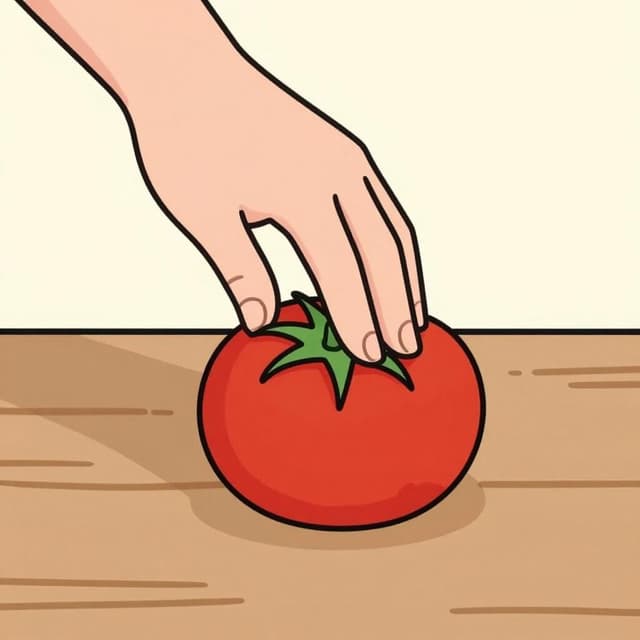
aplastar — to crush
The imperfect of aplastar (aplastaba, aplastabas, etc.) describes ongoing or habitual past actions.
Formy aplastar Czas przeszły niedokonany
Kiedy używać Czas przeszły niedokonany
Use the imperfect of 'aplastar' to describe actions that were happening repeatedly or continuously in the past, or to set the scene. For example, 'I used to crush cans every day' or 'The car was crushing the leaves'.
Uwagi dotyczące aplastar w czasie Czas przeszły niedokonany
'Aplastaba' is regular in the imperfect tense. It follows the standard pattern for -ar verbs.
Przykładowe zdania
Cuando era niño, aplastaba botellas de plástico.
When I was a child, I used to crush plastic bottles.
yo
¿Tú aplastabas la masa mientras cocinaba?
Were you crushing the dough while I was cooking?
tú
El viejo molino aplastaba el grano.
The old mill was crushing the grain.
él/ella/usted
Ellos aplastaban los documentos sin leerlos.
They were crushing the documents without reading them.
ellos/ellas/ustedes
Częste błędy
Błąd: Using the imperfect for a single completed action.
Poprawnie: Say 'Aplasté la lata' (I crushed the can - preterite) for a one-time event, not 'Aplastaba la lata'.
Dlaczego: The imperfect describes ongoing or habitual actions, not single, finished ones.
Błąd: Confusing the 'yo' and 'él/ella/usted' forms.
Poprawnie: Both are 'aplastaba', but context makes it clear who is doing the crushing.
Dlaczego: Spanish often relies on context or explicit pronouns when the verb form is the same for multiple subjects.
Opanuj hiszpańskie czasowniki w kontekście
Zapamiętywanie tabel to dopiero początek. Przeczytaj ponad 200 ilustrowanych i udźwiękowionych hiszpańskich historii, aby zobaczyć czasowniki takie jak 'aplastar' używane naturalnie — w czasach, których się uczysz.
Powiązane czasy
Czas teraźniejszy
yo: aplasto
The present tense of aplastar is regular: aplasto, aplastas, aplasta, aplastamos, aplastáis, aplastan.
Czas przeszły prosty
yo: aplasté
The preterite of aplastar is regular: aplasté, aplastaste, aplastó, aplastamos, aplastasteis, aplastaron.
Czas przyszły
yo: aplastaré
The future of aplastar is regular: aplastaré, aplastarás, aplastará, aplastaremos, aplastaréis, aplastarán.
Tryb warunkowy
yo: aplastaría
The conditional of aplastar is regular: aplastaría, aplastarías, aplastaría, aplastaríamos, aplastaríais, aplastarían.
Tryb Subj. teraźniejszy
yo: aplaste
The present subjunctive of aplastar (aplaște, aplastes, aplasten, etc.) expresses wishes, doubts, or emotions.
Tryb Subj. przeszły niedokonany
yo: aplastara
The imperfect subjunctive of aplastar (aplastara, aplastaras, etc.) is for past hypotheticals or wishes.
Tryb rozkazujący (twierdzący)
yo: aplasta
Use aplasta, aplastad, aplasten, etc. for direct commands with aplastar.
Tryb rozkazujący (przeczący)
yo: no aplastes
Use no aplastes, no aplastéis, no aplasten, etc. for negative commands with aplastar.