Koniugacja aplastar Czas przeszły prosty
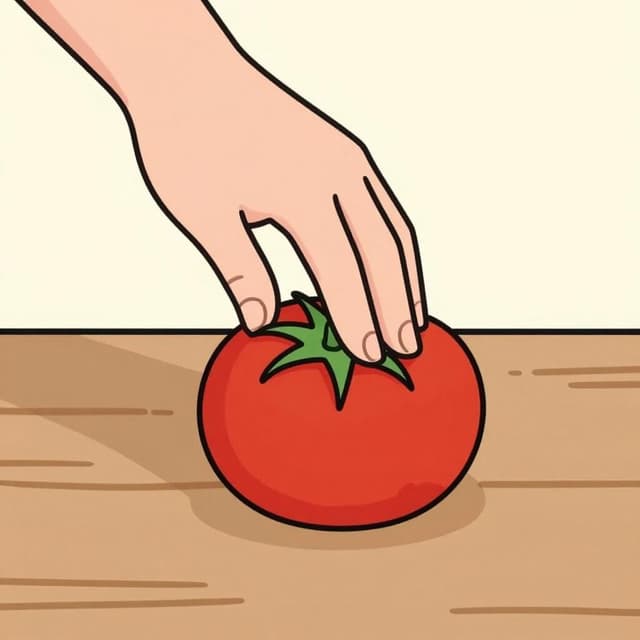
aplastar — to crush
The preterite of aplastar is regular: aplasté, aplastaste, aplastó, aplastamos, aplastasteis, aplastaron.
Formy aplastar Czas przeszły prosty
Kiedy używać Czas przeszły prosty
Use the preterite of 'aplastar' for actions of crushing that were completed in the past. Think of a specific instance where something was crushed and then the action was finished.
Uwagi dotyczące aplastar w czasie Czas przeszły prosty
'Aplastara' is a regular -ar verb in the preterite tense. All the endings are standard for this conjugation.
Przykładowe zdania
Aplasté las uvas para hacer jugo.
I crushed the grapes to make juice.
yo
¿Aplastaste el botón de emergencia?
Did you crush the emergency button?
tú
El camión aplastó el coche.
The truck crushed the car.
él/ella/usted
Aplastamos la lata de refresco.
We crushed the soda can.
nosotros
Częste błędy
Błąd: Using the imperfect instead of the preterite for a single, completed action.
Poprawnie: Say 'Aplasté la caja' (I crushed the box) for a finished action, not 'Aplastaba la caja' (I was crushing the box).
Dlaczego: The preterite marks completed events, while the imperfect describes ongoing or habitual past actions.
Błąd: Forgetting the accent on 'aplastó' and 'aplasté'.
Poprawnie: The forms for él/ella/usted and yo require an accent: aplastó, aplasté.
Dlaczego: These accents indicate the stressed syllable in these specific forms.
Opanuj hiszpańskie czasowniki w kontekście
Zapamiętywanie tabel to dopiero początek. Przeczytaj ponad 200 ilustrowanych i udźwiękowionych hiszpańskich historii, aby zobaczyć czasowniki takie jak 'aplastar' używane naturalnie — w czasach, których się uczysz.
Powiązane czasy
Czas teraźniejszy
yo: aplasto
The present tense of aplastar is regular: aplasto, aplastas, aplasta, aplastamos, aplastáis, aplastan.
Czas przeszły niedokonany
yo: aplastaba
The imperfect of aplastar (aplastaba, aplastabas, etc.) describes ongoing or habitual past actions.
Czas przyszły
yo: aplastaré
The future of aplastar is regular: aplastaré, aplastarás, aplastará, aplastaremos, aplastaréis, aplastarán.
Tryb warunkowy
yo: aplastaría
The conditional of aplastar is regular: aplastaría, aplastarías, aplastaría, aplastaríamos, aplastaríais, aplastarían.
Tryb Subj. teraźniejszy
yo: aplaste
The present subjunctive of aplastar (aplaște, aplastes, aplasten, etc.) expresses wishes, doubts, or emotions.
Tryb Subj. przeszły niedokonany
yo: aplastara
The imperfect subjunctive of aplastar (aplastara, aplastaras, etc.) is for past hypotheticals or wishes.
Tryb rozkazujący (twierdzący)
yo: aplasta
Use aplasta, aplastad, aplasten, etc. for direct commands with aplastar.
Tryb rozkazujący (przeczący)
yo: no aplastes
Use no aplastes, no aplastéis, no aplasten, etc. for negative commands with aplastar.