Koniugacja elevar Tryb warunkowy
elevar — to lift
Use 'elevaría', 'elevarías', 'elevaría', 'elevaríamos', 'elevaríais', 'elevarían' for hypotheticals, polite requests, or future-in-the-past.
Formy elevar Tryb warunkowy
Kiedy używać Tryb warunkowy
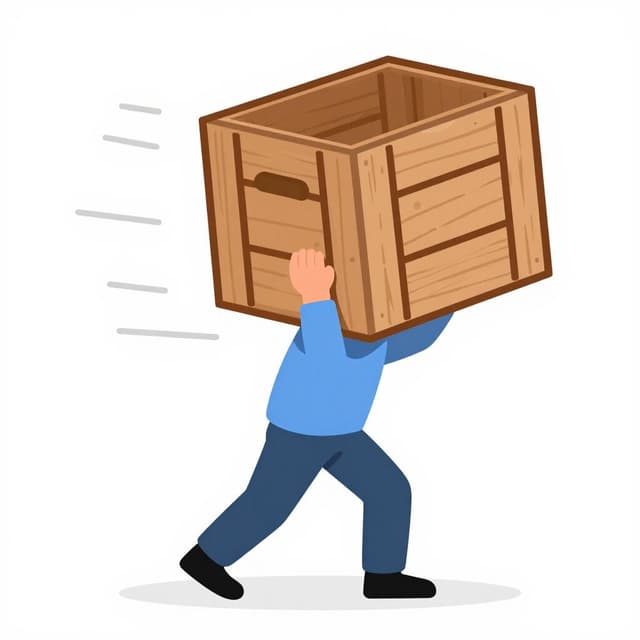
The conditional is perfect for hypothetical situations ('Yo elevaría la caja si pudiera' - I would lift the box if I could), making polite requests ('¿Podrías elevarme esa carta?' - Would you lift that letter for me?), or talking about the future from a past perspective ('Dijo que elevaría el precio' - He said he would raise the price).
Uwagi dotyczące elevar w czasie Tryb warunkowy
Elevar is regular in the conditional tense. The stem is the full infinitive ('elevar-') and the endings are standard: ía, ías, ía, íamos, íais, ían.
Przykładowe zdania
Yo elevaría mi mano si supiera la respuesta.
I would raise my hand if I knew the answer.
yo
¿Tú elevarías el precio si fueras el dueño?
Would you raise the price if you were the owner?
tú
Él dijo que elevaría su oferta.
He said he would raise his offer.
él/ella/usted
Nosotros elevaríamos la calidad del producto.
We would raise the quality of the product.
nosotros
Ellos elevarían una queja si no estuvieran contentos.
They would raise a complaint if they weren't happy.
ellos/ellas/ustedes
Częste błędy
Błąd: Confusing conditional with future tense.
Poprawnie: Use the conditional ('elevaría') for hypotheticals ('would') and the future ('elevará') for definite future actions ('will').
Dlaczego: These tenses have distinct meanings: possibility/politeness vs. certainty.
Błąd: Forgetting the accent on conditional endings.
Poprawnie: All conditional endings require an accent: 'elevaría', 'elevarías', 'elevaría', 'elevaríamos', 'elevaríais', 'elevarían'.
Dlaczego: These accents are required by Spanish orthography for the conditional tense and indicate the stressed syllable.
Opanuj hiszpańskie czasowniki w kontekście
Zapamiętywanie tabel to dopiero początek. Przeczytaj ponad 200 ilustrowanych i udźwiękowionych hiszpańskich historii, aby zobaczyć czasowniki takie jak 'elevar' używane naturalnie — w czasach, których się uczysz.
Powiązane czasy
Czas teraźniejszy
yo: elevo
Use 'elevo', 'elevas', 'eleva', 'elevamos', 'eleváis', 'elevan' for actions happening now or habitual actions.
Czas przeszły prosty
yo: elevé
Use 'elevé', 'elevaste', 'elevó', 'elevamos', 'elevasteis', 'elevaron' for completed actions in the past.
Czas przeszły niedokonany
yo: elevaba
Use 'elevaba', 'elevabas', 'elevaba', 'elevábamos', 'elevabais', 'elevaban' for ongoing or habitual past actions.
Czas przyszły
yo: elevaré
Use 'elevaré', 'elevarás', 'elevará', 'elevarémos', 'elevaréis', 'elevarán' for future actions or probability.
Tryb Subj. teraźniejszy
yo: eleve
Use 'eleve'/'eleves'/'elevemos'/'eleven'/'elevéis' after wishes, doubts, emotions, or impersonal expressions.
Tryb Subj. przeszły niedokonany
yo: elevara
Use 'elevara'/'elevaras'/'eleváramos'/'elevaran'/'elevaraís' for past hypotheticals, wishes, or polite requests.
Tryb rozkazujący (twierdzący)
yo: eleva
Use 'eleva' (tú), 'eleve' (usted), 'elevemos' (nosotros), 'elevad' (vosotros), 'eleven' (ustedes) for direct commands.
Tryb rozkazujący (przeczący)
yo: no eleves
Use 'no eleves' (tú), 'no eleve' (usted), 'no elevemos' (nosotros), 'no elevéis' (vosotros), 'no eleven' (ustedes) for negative commands.