Koniugacja elevar Czas przyszły
elevar — to lift
Use 'elevaré', 'elevarás', 'elevará', 'elevarémos', 'elevaréis', 'elevarán' for future actions or probability.
Formy elevar Czas przyszły
Kiedy używać Czas przyszły
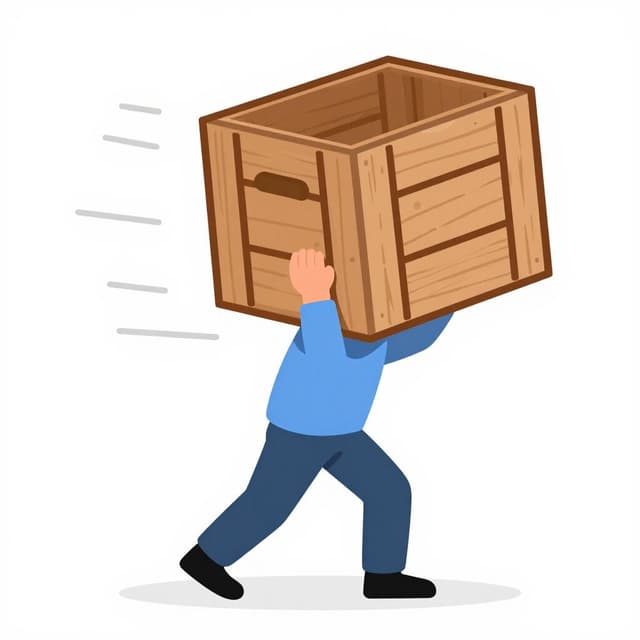
This tense is for actions that are certain to happen in the future ('Mañana elevaré la caja' - Tomorrow I will lift the box) or to express probability or conjecture about the present ('¿Elevará el precio?' - Will he raise the price? or 'He must be raising the price').
Uwagi dotyczące elevar w czasie Czas przyszły
Elevar is regular in the future tense. The stem is the full infinitive ('elevar-') and the endings are standard: é, ás, á, emos, éis, án.
Przykładowe zdania
Yo elevaré la mirada hacia el futuro.
I will lift my gaze towards the future.
yo
¿Tú elevarás tu voz por la justicia?
Will you raise your voice for justice?
tú
Ella elevará una nueva propuesta.
She will submit a new proposal.
él/ella/usted
Nosotros elevaremos nuestras oraciones.
We will raise our prayers.
nosotros
Ellos elevarán el monumento el próximo mes.
They will erect the monument next month.
ellos/ellas/ustedes
Częste błędy
Błąd: Using the present tense ('eleva') to mean future.
Poprawnie: For a definite future action, use the future tense: 'elevará', not 'eleva'.
Dlaczego: While Spanish speakers sometimes use the present for near future, the formal future tense is required for clarity and certainty.
Błąd: Forgetting the accent on future tense endings.
Poprawnie: All future tense endings carry an accent: 'elevaré', 'elevarás', 'elevará', 'elevaremos', 'elevaréis', 'elevarán'.
Dlaczego: These accents are required by Spanish orthography for the future tense.
Opanuj hiszpańskie czasowniki w kontekście
Zapamiętywanie tabel to dopiero początek. Przeczytaj ponad 200 ilustrowanych i udźwiękowionych hiszpańskich historii, aby zobaczyć czasowniki takie jak 'elevar' używane naturalnie — w czasach, których się uczysz.
Powiązane czasy
Czas teraźniejszy
yo: elevo
Use 'elevo', 'elevas', 'eleva', 'elevamos', 'eleváis', 'elevan' for actions happening now or habitual actions.
Czas przeszły prosty
yo: elevé
Use 'elevé', 'elevaste', 'elevó', 'elevamos', 'elevasteis', 'elevaron' for completed actions in the past.
Czas przeszły niedokonany
yo: elevaba
Use 'elevaba', 'elevabas', 'elevaba', 'elevábamos', 'elevabais', 'elevaban' for ongoing or habitual past actions.
Tryb warunkowy
yo: elevaría
Use 'elevaría', 'elevarías', 'elevaría', 'elevaríamos', 'elevaríais', 'elevarían' for hypotheticals, polite requests, or future-in-the-past.
Tryb Subj. teraźniejszy
yo: eleve
Use 'eleve'/'eleves'/'elevemos'/'eleven'/'elevéis' after wishes, doubts, emotions, or impersonal expressions.
Tryb Subj. przeszły niedokonany
yo: elevara
Use 'elevara'/'elevaras'/'eleváramos'/'elevaran'/'elevaraís' for past hypotheticals, wishes, or polite requests.
Tryb rozkazujący (twierdzący)
yo: eleva
Use 'eleva' (tú), 'eleve' (usted), 'elevemos' (nosotros), 'elevad' (vosotros), 'eleven' (ustedes) for direct commands.
Tryb rozkazujący (przeczący)
yo: no eleves
Use 'no eleves' (tú), 'no eleve' (usted), 'no elevemos' (nosotros), 'no elevéis' (vosotros), 'no eleven' (ustedes) for negative commands.