Koniugacja elevar Czas teraźniejszy
elevar — to lift
Use 'elevo', 'elevas', 'eleva', 'elevamos', 'eleváis', 'elevan' for actions happening now or habitual actions.
Formy elevar Czas teraźniejszy
Kiedy używać Czas teraźniejszy
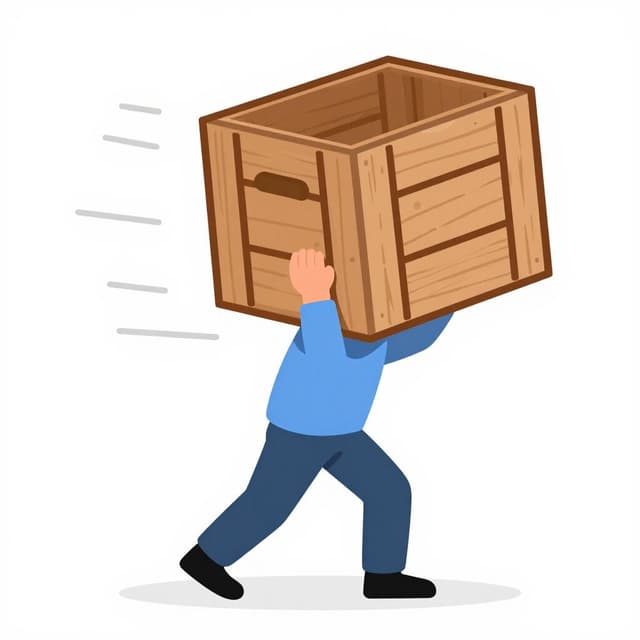
The present tense is for things happening right now ('Ahora elevo la caja' - Now I lift the box) or for regular, habitual actions ('Mi trabajo es elevar la moral del equipo' - My job is to lift the team's morale). It's also used for general truths.
Uwagi dotyczące elevar w czasie Czas teraźniejszy
Elevar is a regular -ar verb in the present indicative. All forms follow the standard conjugation pattern.
Przykładowe zdania
Yo elevo la mirada al cielo.
I lift my gaze to the sky.
yo
¿Tú elevas el peso correctamente?
Do you lift the weight correctly?
tú
El sol eleva la temperatura.
The sun raises the temperature.
él/ella/usted
Nosotros elevamos las plegarias cada mañana.
We raise our prayers every morning.
nosotros
Ellos elevan sus voces en protesta.
They raise their voices in protest.
ellos/ellas/ustedes
Częste błędy
Błąd: Using 'elevar' (infinitive) instead of conjugating.
Poprawnie: Always conjugate the verb according to the subject: 'yo elevo', 'tú elevas', etc.
Dlaczego: Spanish requires verbs to be conjugated to match the subject performing the action.
Błąd: Confusing 'eleva' (él/ella/usted) with 'eleva' (tú imperative).
Poprawnie: While the form is the same, context clarifies: 'Él eleva' (present indicative) vs. 'Eleva tú' (affirmative imperative).
Dlaczego: Spanish has many identical forms across tenses and moods, relying on context for meaning.
Opanuj hiszpańskie czasowniki w kontekście
Zapamiętywanie tabel to dopiero początek. Przeczytaj ponad 200 ilustrowanych i udźwiękowionych hiszpańskich historii, aby zobaczyć czasowniki takie jak 'elevar' używane naturalnie — w czasach, których się uczysz.
Powiązane czasy
Czas przeszły prosty
yo: elevé
Use 'elevé', 'elevaste', 'elevó', 'elevamos', 'elevasteis', 'elevaron' for completed actions in the past.
Czas przeszły niedokonany
yo: elevaba
Use 'elevaba', 'elevabas', 'elevaba', 'elevábamos', 'elevabais', 'elevaban' for ongoing or habitual past actions.
Czas przyszły
yo: elevaré
Use 'elevaré', 'elevarás', 'elevará', 'elevarémos', 'elevaréis', 'elevarán' for future actions or probability.
Tryb warunkowy
yo: elevaría
Use 'elevaría', 'elevarías', 'elevaría', 'elevaríamos', 'elevaríais', 'elevarían' for hypotheticals, polite requests, or future-in-the-past.
Tryb Subj. teraźniejszy
yo: eleve
Use 'eleve'/'eleves'/'elevemos'/'eleven'/'elevéis' after wishes, doubts, emotions, or impersonal expressions.
Tryb Subj. przeszły niedokonany
yo: elevara
Use 'elevara'/'elevaras'/'eleváramos'/'elevaran'/'elevaraís' for past hypotheticals, wishes, or polite requests.
Tryb rozkazujący (twierdzący)
yo: eleva
Use 'eleva' (tú), 'eleve' (usted), 'elevemos' (nosotros), 'elevad' (vosotros), 'eleven' (ustedes) for direct commands.
Tryb rozkazujący (przeczący)
yo: no eleves
Use 'no eleves' (tú), 'no eleve' (usted), 'no elevemos' (nosotros), 'no elevéis' (vosotros), 'no eleven' (ustedes) for negative commands.