Koniugacja elevar Tryb Subj. przeszły niedokonany
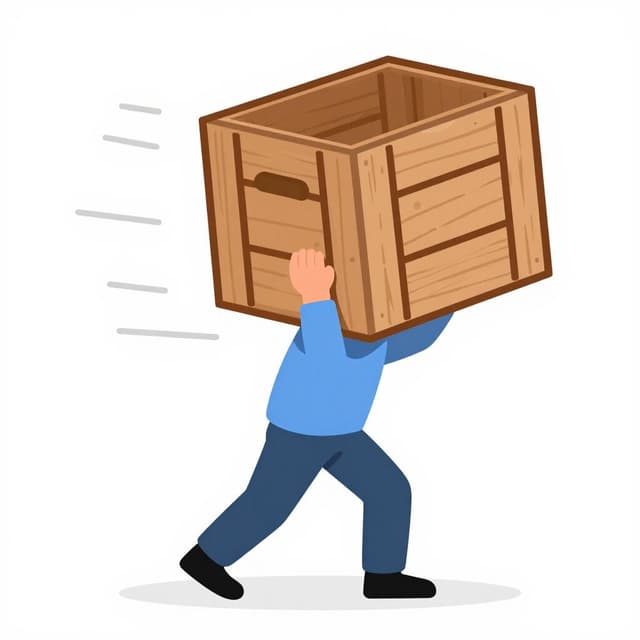
elevar — to lift
Use 'elevara'/'elevaras'/'eleváramos'/'elevaran'/'elevaraís' for past hypotheticals, wishes, or polite requests.
Formy elevar Tryb Subj. przeszły niedokonany
Kiedy używać Tryb Subj. przeszły niedokonany
This tense is great for talking about hypothetical situations or wishes in the past, or making very polite requests that relate to the past. For example, 'Si yo elevara más peso, me lastimaría' (If I lifted more weight, I would hurt myself). It's also used after expressions of doubt or emotion in the past.
Uwagi dotyczące elevar w czasie Tryb Subj. przeszły niedokonany
Elevar is regular in the imperfect subjunctive. Remember that both the -ra and -se endings are correct (e.g., 'elevara' or 'elevase'), though the -ra form is more common in many regions.
Przykładowe zdania
Si yo elevara más peso, me lastimaría.
If I lifted more weight, I would hurt myself.
yo
Ojalá tú elevaras tu nivel de español.
I wish you would raise your Spanish level.
tú
Me pidió que elevara la carta al buzón.
He asked me to lift the letter to the mailbox.
él/ella/usted
Ellos pensaban que elevaran el precio.
They thought they would raise the price.
ellos/ellas/ustedes
Dudaba que nosotros eleváramos el listón tan alto.
I doubted that we would raise the bar so high.
nosotros
Częste błędy
Błąd: Confusing imperfect subjunctive with imperfect indicative.
Poprawnie: Use 'elevara' for hypothetical or wishful past contexts, not 'elevaba'.
Dlaczego: The imperfect subjunctive is used for unreal or hypothetical situations, while the imperfect indicative describes ongoing or habitual past actions.
Błąd: Using the wrong ending (-ra vs -se).
Poprawnie: Both 'elevara' and 'elevase' are correct imperfect subjunctive forms for 'yo', but 'elevara' is generally more common.
Dlaczego: Spanish has two sets of endings for the imperfect subjunctive; learners often only know one.
Opanuj hiszpańskie czasowniki w kontekście
Zapamiętywanie tabel to dopiero początek. Przeczytaj ponad 200 ilustrowanych i udźwiękowionych hiszpańskich historii, aby zobaczyć czasowniki takie jak 'elevar' używane naturalnie — w czasach, których się uczysz.
Powiązane czasy
Czas teraźniejszy
yo: elevo
Use 'elevo', 'elevas', 'eleva', 'elevamos', 'eleváis', 'elevan' for actions happening now or habitual actions.
Czas przeszły prosty
yo: elevé
Use 'elevé', 'elevaste', 'elevó', 'elevamos', 'elevasteis', 'elevaron' for completed actions in the past.
Czas przeszły niedokonany
yo: elevaba
Use 'elevaba', 'elevabas', 'elevaba', 'elevábamos', 'elevabais', 'elevaban' for ongoing or habitual past actions.
Czas przyszły
yo: elevaré
Use 'elevaré', 'elevarás', 'elevará', 'elevarémos', 'elevaréis', 'elevarán' for future actions or probability.
Tryb warunkowy
yo: elevaría
Use 'elevaría', 'elevarías', 'elevaría', 'elevaríamos', 'elevaríais', 'elevarían' for hypotheticals, polite requests, or future-in-the-past.
Tryb Subj. teraźniejszy
yo: eleve
Use 'eleve'/'eleves'/'elevemos'/'eleven'/'elevéis' after wishes, doubts, emotions, or impersonal expressions.
Tryb rozkazujący (twierdzący)
yo: eleva
Use 'eleva' (tú), 'eleve' (usted), 'elevemos' (nosotros), 'elevad' (vosotros), 'eleven' (ustedes) for direct commands.
Tryb rozkazujący (przeczący)
yo: no eleves
Use 'no eleves' (tú), 'no eleve' (usted), 'no elevemos' (nosotros), 'no elevéis' (vosotros), 'no eleven' (ustedes) for negative commands.