Koniugacja elevar Czas przeszły prosty
elevar — to lift
Use 'elevé', 'elevaste', 'elevó', 'elevamos', 'elevasteis', 'elevaron' for completed actions in the past.
Formy elevar Czas przeszły prosty
Kiedy używać Czas przeszły prosty
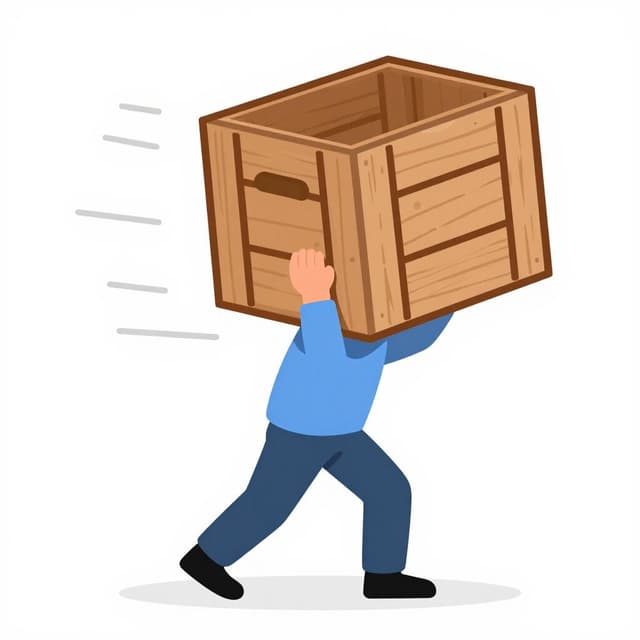
Use the preterite for actions that started and finished at a specific point in the past. For 'elevar', this could be lifting something once: 'Elevé la caja ayer' (I lifted the box yesterday) or 'La empresa elevó sus ganancias el año pasado' (The company raised its profits last year).
Uwagi dotyczące elevar w czasie Czas przeszły prosty
Elevar is a regular -ar verb in the preterite. All the forms follow the standard pattern: é, aste, ó, amos, asteis, aron.
Przykładowe zdania
Yo elevé la maleta con cuidado.
I lifted the suitcase carefully.
yo
¿Elevaste la bandera hoy?
Did you raise the flag today?
tú
Él elevó la vista hacia el cielo.
He lifted his gaze towards the sky.
él/ella/usted
Nosotros elevamos el precio la semana pasada.
We raised the price last week.
nosotros
Ellos elevaron una queja formal.
They submitted a formal complaint.
ellos/ellas/ustedes
Częste błędy
Błąd: Using the imperfect instead of the preterite for a single completed action.
Poprawnie: For a specific, completed action like lifting something once, use the preterite: 'elevé', not 'elevaba'.
Dlaczego: The imperfect describes ongoing or habitual past actions, while the preterite describes completed ones.
Błąd: Forgetting the accent on 'elevó' and 'elevé'.
Poprawnie: The third person singular ('elevó') and first person singular ('elevé') require accents.
Dlaczego: These accents are crucial for distinguishing these forms and indicating the stressed syllable.
Opanuj hiszpańskie czasowniki w kontekście
Zapamiętywanie tabel to dopiero początek. Przeczytaj ponad 200 ilustrowanych i udźwiękowionych hiszpańskich historii, aby zobaczyć czasowniki takie jak 'elevar' używane naturalnie — w czasach, których się uczysz.
Powiązane czasy
Czas teraźniejszy
yo: elevo
Use 'elevo', 'elevas', 'eleva', 'elevamos', 'eleváis', 'elevan' for actions happening now or habitual actions.
Czas przeszły niedokonany
yo: elevaba
Use 'elevaba', 'elevabas', 'elevaba', 'elevábamos', 'elevabais', 'elevaban' for ongoing or habitual past actions.
Czas przyszły
yo: elevaré
Use 'elevaré', 'elevarás', 'elevará', 'elevarémos', 'elevaréis', 'elevarán' for future actions or probability.
Tryb warunkowy
yo: elevaría
Use 'elevaría', 'elevarías', 'elevaría', 'elevaríamos', 'elevaríais', 'elevarían' for hypotheticals, polite requests, or future-in-the-past.
Tryb Subj. teraźniejszy
yo: eleve
Use 'eleve'/'eleves'/'elevemos'/'eleven'/'elevéis' after wishes, doubts, emotions, or impersonal expressions.
Tryb Subj. przeszły niedokonany
yo: elevara
Use 'elevara'/'elevaras'/'eleváramos'/'elevaran'/'elevaraís' for past hypotheticals, wishes, or polite requests.
Tryb rozkazujący (twierdzący)
yo: eleva
Use 'eleva' (tú), 'eleve' (usted), 'elevemos' (nosotros), 'elevad' (vosotros), 'eleven' (ustedes) for direct commands.
Tryb rozkazujący (przeczący)
yo: no eleves
Use 'no eleves' (tú), 'no eleve' (usted), 'no elevemos' (nosotros), 'no elevéis' (vosotros), 'no eleven' (ustedes) for negative commands.