Koniugacja elevar Tryb rozkazujący (twierdzący)
elevar — to lift
Use 'eleva' (tú), 'eleve' (usted), 'elevemos' (nosotros), 'elevad' (vosotros), 'eleven' (ustedes) for direct commands.
Formy elevar Tryb rozkazujący (twierdzący)
Kiedy używać Tryb rozkazujący (twierdzący)
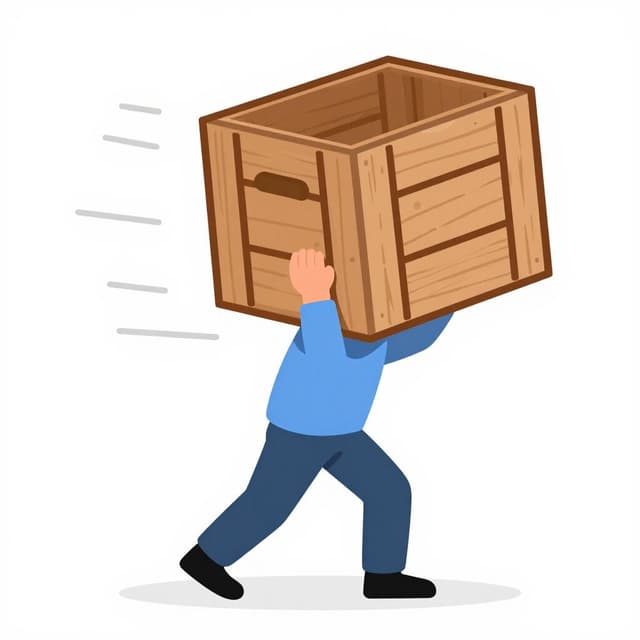
The imperative is for giving direct orders or instructions. For 'elevar', you'd use it to tell someone to lift something right now, like '¡Eleva la caja!' (Lift the box!) or '¡Eleven la bandera!' (Raise the flag!).
Uwagi dotyczące elevar w czasie Tryb rozkazujący (twierdzący)
Elevar is regular in the affirmative imperative. The 'tú' form uses the present indicative stem, while the other forms use the present subjunctive stem.
Przykładowe zdania
Tú, eleva las manos.
You, raise your hands.
tú
Usted, eleve la mirada.
Sir/Madam, lift your gaze.
usted
Nosotros, elevemos los brazos.
Let's raise our arms.
nosotros
Vosotros, elevad el peso.
You all (informal), lift the weight.
vosotros
Ustedes, eleven la voz.
You all (formal), raise your voice.
Częste błędy
Błąd: Using the subjunctive form for tú.
Poprawnie: The tú command is 'eleva', not 'eleves'.
Dlaczego: The affirmative tú imperative for -ar verbs is formed from the present indicative, not the subjunctive.
Błąd: Forgetting the 'vosotros' ending.
Poprawnie: The correct vosotros command is 'elevad', not 'eleve'.
Dlaczego: The vosotros affirmative imperative for -ar verbs is formed by dropping the 'r' from the infinitive and adding 'd'.
Opanuj hiszpańskie czasowniki w kontekście
Zapamiętywanie tabel to dopiero początek. Przeczytaj ponad 200 ilustrowanych i udźwiękowionych hiszpańskich historii, aby zobaczyć czasowniki takie jak 'elevar' używane naturalnie — w czasach, których się uczysz.
Powiązane czasy
Czas teraźniejszy
yo: elevo
Use 'elevo', 'elevas', 'eleva', 'elevamos', 'eleváis', 'elevan' for actions happening now or habitual actions.
Czas przeszły prosty
yo: elevé
Use 'elevé', 'elevaste', 'elevó', 'elevamos', 'elevasteis', 'elevaron' for completed actions in the past.
Czas przeszły niedokonany
yo: elevaba
Use 'elevaba', 'elevabas', 'elevaba', 'elevábamos', 'elevabais', 'elevaban' for ongoing or habitual past actions.
Czas przyszły
yo: elevaré
Use 'elevaré', 'elevarás', 'elevará', 'elevarémos', 'elevaréis', 'elevarán' for future actions or probability.
Tryb warunkowy
yo: elevaría
Use 'elevaría', 'elevarías', 'elevaría', 'elevaríamos', 'elevaríais', 'elevarían' for hypotheticals, polite requests, or future-in-the-past.
Tryb Subj. teraźniejszy
yo: eleve
Use 'eleve'/'eleves'/'elevemos'/'eleven'/'elevéis' after wishes, doubts, emotions, or impersonal expressions.
Tryb Subj. przeszły niedokonany
yo: elevara
Use 'elevara'/'elevaras'/'eleváramos'/'elevaran'/'elevaraís' for past hypotheticals, wishes, or polite requests.
Tryb rozkazujący (przeczący)
yo: no eleves
Use 'no eleves' (tú), 'no eleve' (usted), 'no elevemos' (nosotros), 'no elevéis' (vosotros), 'no eleven' (ustedes) for negative commands.