Koniugacja frotar Czas przyszły
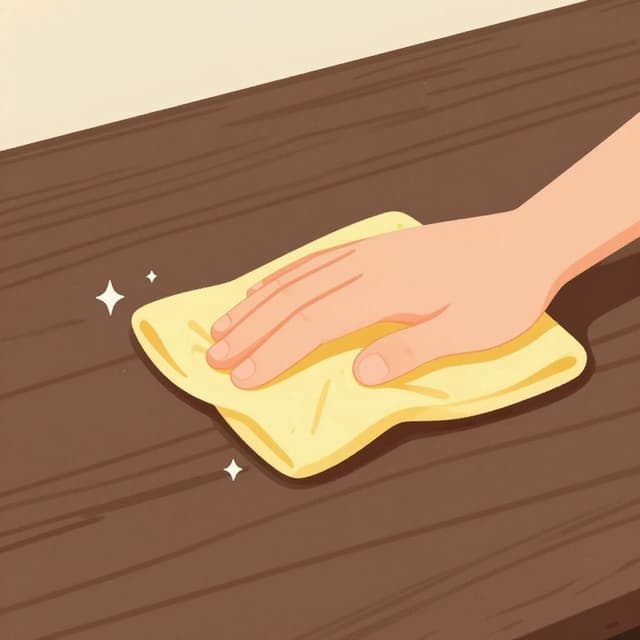
frotar — to rub
Use the future 'frotaré', 'frotarás', 'frotará', 'frotaremos', 'frotaréis', 'frotarán' for actions that will happen.
Formy frotar Czas przyszły
Kiedy używać Czas przyszły
Use the future tense of 'frotar' to talk about actions that you are sure will happen in the future. It's like saying 'will rub'. It can also express probability about a present or future event.
Uwagi dotyczące frotar w czasie Czas przyszły
Frotar is regular in the future tense. The future stem is the infinitive 'frotar-', and you add the standard future endings.
Przykładowe zdania
Mañana frotaré el suelo de la cocina.
Tomorrow I will rub the kitchen floor.
yo
Tú frotarás la pintura hasta que se quite.
You will rub the paint until it comes off.
tú
Él frotará sus manos para calentarse.
He will rub his hands to warm them up.
él/ella/usted
Nosotros frotaremos las llaves para limpiarlas.
We will rub the keys to clean them.
nosotros
Ellos frotarán la vela para encenderla.
They will rub the candle to light it.
ellos/ellas/ustedes
Częste błędy
Błąd: Using the present tense 'frota' instead of the future 'frotará'.
Poprawnie: Use 'frotará' when talking about a future action.
Dlaczego: The present tense refers to current actions, while the future tense specifically denotes actions yet to occur.
Błąd: Forgetting the accent on future tense endings like 'frotarás' or 'frotará'.
Poprawnie: Add the accent: 'frotarás', 'frotará'.
Dlaczego: The accent marks the stressed syllable in these future tense forms.
Opanuj hiszpańskie czasowniki w kontekście
Zapamiętywanie tabel to dopiero początek. Przeczytaj ponad 200 ilustrowanych i udźwiękowionych hiszpańskich historii, aby zobaczyć czasowniki takie jak 'frotar' używane naturalnie — w czasach, których się uczysz.
Powiązane czasy
Czas teraźniejszy
yo: froto
Use the present 'froto', 'frotas', 'frota', 'frotamos', 'frotáis', 'frotan' for current or habitual rubbing.
Czas przeszły prosty
yo: froté
Use the preterite 'froté', 'frotaste', 'frotó', 'frotamos', 'frotasteis', 'frotaron' for completed rubbing actions in the past.
Czas przeszły niedokonany
yo: frotaba
Use the imperfect 'frotaba', 'frotabas', 'frotaba', 'frotábamos', 'frotabais', 'frotaban' for ongoing or habitual past rubbing.
Tryb warunkowy
yo: frotaría
Use the conditional 'frotaría', 'frotarías', 'frotaría', 'frotaríamos', 'frotaríais', 'frotarían' for hypotheticals ('would rub').
Tryb Subj. teraźniejszy
yo: frote
Use 'frote', 'frotes', 'frote', 'frotemos', 'frotéis', 'froten' for wishes, doubts, and emotions with 'frotar'.
Tryb Subj. przeszły niedokonany
yo: frotara
Use the imperfect subjunctive 'frotara'/'frotase' for past hypotheticals, wishes, or doubts with 'frotar'.
Tryb rozkazujący (twierdzący)
yo: frota
Use 'frota', 'frote', 'frotad', 'frotemos', 'froten' for direct commands with 'frotar'.
Tryb rozkazujący (przeczący)
yo: no frotes
Use 'no frotes', 'no frote', 'no frotéis', 'no frotemos', 'no froten' for negative commands with 'frotar'.