Koniugacja frotar Czas przeszły niedokonany
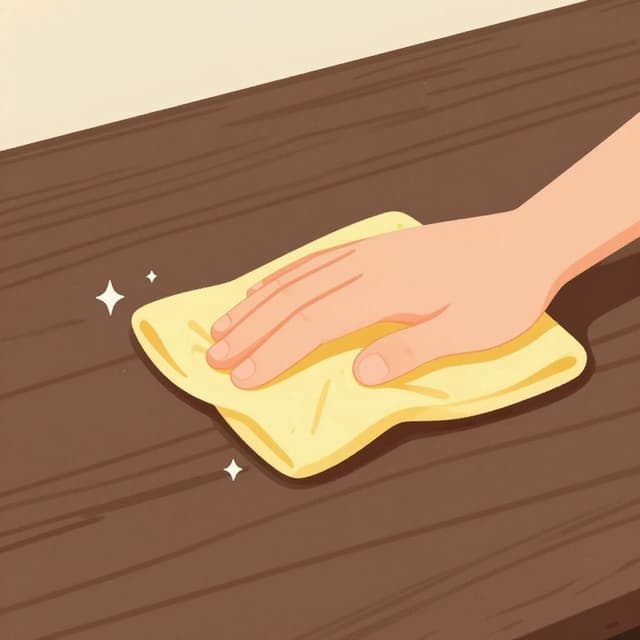
frotar — to rub
Use the imperfect 'frotaba', 'frotabas', 'frotaba', 'frotábamos', 'frotabais', 'frotaban' for ongoing or habitual past rubbing.
Formy frotar Czas przeszły niedokonany
Kiedy używać Czas przeszły niedokonany
Use the imperfect of 'frotar' to describe actions that were happening repeatedly or continuously in the past, or to set the scene. It answers 'What was going on?' or 'What used to happen?'
Uwagi dotyczące frotar w czasie Czas przeszły niedokonany
Frotar is regular in the imperfect tense. The endings are standard for -ar verbs in this tense.
Przykładowe zdania
Mi abuela frotaba la ropa a mano todos los domingos.
My grandmother used to rub the clothes by hand every Sunday.
Cuando eras niño, ¿te frotabas los ojos al despertar?
When you were a child, did you used to rub your eyes upon waking?
tú
El camarero frotaba las mesas mientras esperábamos.
The waiter was rubbing the tables while we waited.
nosotros
Antes, la gente frotaba las piedras para hacer fuego.
Before, people used to rub stones to make fire.
ellos/ellas/ustedes
Yo frotaba la ventana para ver mejor la lluvia.
I was rubbing the window to see the rain better.
yo
Częste błędy
Błąd: Using the preterite 'frotó' for a habitual past action.
Poprawnie: Use the imperfect 'frotaba' for habits or ongoing past actions.
Dlaczego: The preterite is for completed actions, while the imperfect describes continuous or repeated actions in the past.
Błąd: Confusing the 'yo' and 'él/ella/usted' forms.
Poprawnie: Both are 'frotaba', but context or subject clarifies who is doing the rubbing.
Dlaczego: These two persons share the same form in the imperfect tense for regular -ar verbs.
Opanuj hiszpańskie czasowniki w kontekście
Zapamiętywanie tabel to dopiero początek. Przeczytaj ponad 200 ilustrowanych i udźwiękowionych hiszpańskich historii, aby zobaczyć czasowniki takie jak 'frotar' używane naturalnie — w czasach, których się uczysz.
Powiązane czasy
Czas teraźniejszy
yo: froto
Use the present 'froto', 'frotas', 'frota', 'frotamos', 'frotáis', 'frotan' for current or habitual rubbing.
Czas przeszły prosty
yo: froté
Use the preterite 'froté', 'frotaste', 'frotó', 'frotamos', 'frotasteis', 'frotaron' for completed rubbing actions in the past.
Czas przyszły
yo: frotaré
Use the future 'frotaré', 'frotarás', 'frotará', 'frotaremos', 'frotaréis', 'frotarán' for actions that will happen.
Tryb warunkowy
yo: frotaría
Use the conditional 'frotaría', 'frotarías', 'frotaría', 'frotaríamos', 'frotaríais', 'frotarían' for hypotheticals ('would rub').
Tryb Subj. teraźniejszy
yo: frote
Use 'frote', 'frotes', 'frote', 'frotemos', 'frotéis', 'froten' for wishes, doubts, and emotions with 'frotar'.
Tryb Subj. przeszły niedokonany
yo: frotara
Use the imperfect subjunctive 'frotara'/'frotase' for past hypotheticals, wishes, or doubts with 'frotar'.
Tryb rozkazujący (twierdzący)
yo: frota
Use 'frota', 'frote', 'frotad', 'frotemos', 'froten' for direct commands with 'frotar'.
Tryb rozkazujący (przeczący)
yo: no frotes
Use 'no frotes', 'no frote', 'no frotéis', 'no frotemos', 'no froten' for negative commands with 'frotar'.