Koniugacja pinchar Czas przyszły
pinchar — to prick
The future of pinchar is regular: pincharé, pincharás, pinchará, pincharemos, pincharéis, pincharán.
Formy pinchar Czas przyszły
Kiedy używać Czas przyszły
Use the future tense to talk about actions that *will* happen. It can also express probability or conjecture about the present ('¿Quién pinchará la pelota?' - Who could be pricking the ball?).
Uwagi dotyczące pinchar w czasie Czas przyszły
Pinchar is a regular -ar verb. The future stem is the infinitive 'pinchar', and the regular endings are added.
Przykładowe zdania
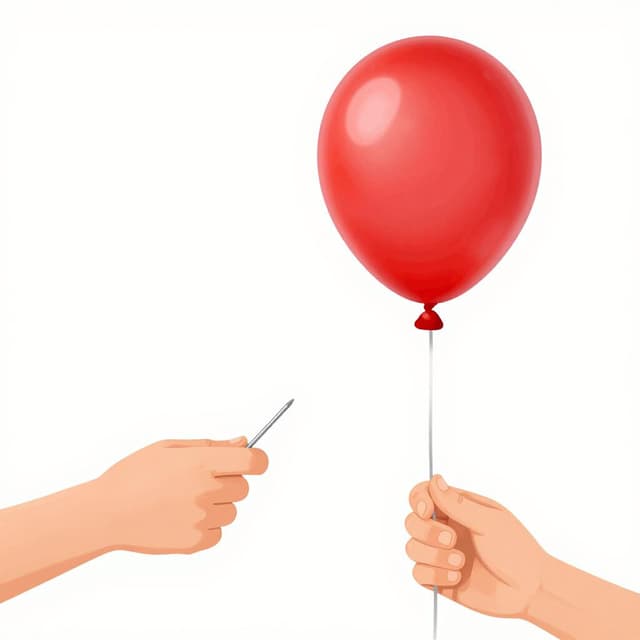
Yo pincharé el globo para que haga ruido.
I will prick the balloon to make it make noise.
yo
Tú pincharás la llanta si pasas por ahí.
You will prick the tire if you go through there.
tú
Él pinchará la uva para hacer vino.
He will prick the grape to make wine.
él/ella/usted
Ellos pincharán el papel para hacer confeti.
They will prick the paper to make confetti.
ellos/ellas/ustedes
Częste błędy
Błąd: Using the present tense instead of the future for a future action.
Poprawnie: For definite future actions, use the future tense: 'pincharé'.
Dlaczego: The present tense is for current or habitual actions, not necessarily future ones.
Błąd: Confusing the future with the conditional for probability.
Poprawnie: Use the future ('pinchará') for probability about the present/future, and the conditional ('pincharía') for hypotheticals.
Dlaczego: They express different types of likelihood or speculation.
Opanuj hiszpańskie czasowniki w kontekście
Zapamiętywanie tabel to dopiero początek. Przeczytaj ponad 200 ilustrowanych i udźwiękowionych hiszpańskich historii, aby zobaczyć czasowniki takie jak 'pinchar' używane naturalnie — w czasach, których się uczysz.
Powiązane czasy
Czas teraźniejszy
yo: pincho
The present of pinchar is regular: pincho, pinchas, pincha, pinchamos, pincháis, pinchan.
Czas przeszły prosty
yo: pinché
The preterite of pinchar is regular: pinché, pinchaste, pinchó, pinchamos, pinchasteis, pincharon.
Czas przeszły niedokonany
yo: pinchaba
The imperfect of pinchar is regular: pinchaba, pinchabas, pinchaba, pinchábamos, pinchabais, pinchaban.
Tryb warunkowy
yo: pincharía
The conditional of pinchar is regular: pincharía, pincharías, pincharía, pincharíamos, pincharíais, pincharían.
Tryb Subj. teraźniejszy
yo: pinche
Use 'pinche' (yo/él/ella/Ud.), 'pinches' (tú), 'pinchemos' (nosotros), 'pinchéis' (vosotros), 'pinchen' (ellos/ellas/Uds.) for wishes, doubts, emotions.
Tryb Subj. przeszły niedokonany
yo: pinchara
Use 'pinchara' or 'pinchase' forms for past hypothetical situations, wishes, or doubts.
Tryb rozkazujący (twierdzący)
yo: pincha
Use 'pincha' (tú), 'pinche' (usted), 'pinchemos' (nosotros), 'pinchad' (vosotros), 'pinchen' (ustedes) for direct commands.
Tryb rozkazujący (przeczący)
yo: no pinches
Negative commands use 'no' plus the present subjunctive: 'no pinches' (tú), 'no pinche' (usted), etc.