Koniugacja pinchar Czas przeszły niedokonany
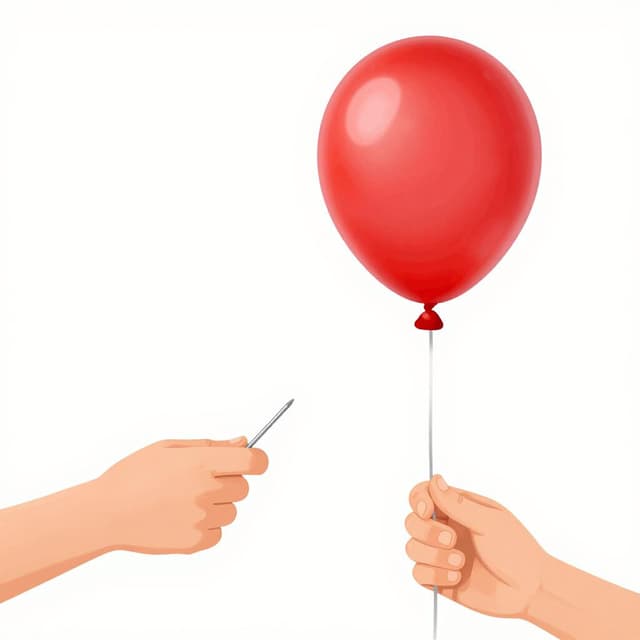
pinchar — to prick
The imperfect of pinchar is regular: pinchaba, pinchabas, pinchaba, pinchábamos, pinchabais, pinchaban.
Formy pinchar Czas przeszły niedokonany
Kiedy używać Czas przeszły niedokonany
Use the imperfect for ongoing actions in the past ('Cuando era niño, pinchaba globos todo el tiempo'), habitual past actions ('Antes, pinchaba la ropa para marcarla'), or descriptions in the past ('El campo pinchaba bajo mis pies').
Uwagi dotyczące pinchar w czasie Czas przeszły niedokonany
Pinchar is a regular -ar verb and follows the standard conjugation pattern in the imperfect tense.
Przykładowe zdania
Yo pinchaba la piel con una aguja fina.
I used to prick the skin with a fine needle.
yo
Tú pinchabas los neumáticos para desinflarlos.
You used to prick the tires to deflate them.
tú
Ella pinchaba la masa con un tenedor.
She was pricking the dough with a fork.
él/ella/usted
Ellos pinchaban las burbujas de jabón.
They were popping soap bubbles.
ellos/ellas/ustedes
Częste błędy
Błąd: Using the preterite instead of the imperfect for ongoing or habitual past actions.
Poprawnie: For background actions or routines, use the imperfect: 'pinchaba'.
Dlaczego: The preterite is for completed actions, the imperfect for descriptions or continuous past actions.
Błąd: Confusing the yo and él/ella/usted forms, both 'pinchaba'.
Poprawnie: Context and subject pronouns are key to distinguishing 'yo pinchaba' from 'él/ella/usted pinchaba'.
Dlaczego: These forms are identical; meaning relies on context.
Opanuj hiszpańskie czasowniki w kontekście
Zapamiętywanie tabel to dopiero początek. Przeczytaj ponad 200 ilustrowanych i udźwiękowionych hiszpańskich historii, aby zobaczyć czasowniki takie jak 'pinchar' używane naturalnie — w czasach, których się uczysz.
Powiązane czasy
Czas teraźniejszy
yo: pincho
The present of pinchar is regular: pincho, pinchas, pincha, pinchamos, pincháis, pinchan.
Czas przeszły prosty
yo: pinché
The preterite of pinchar is regular: pinché, pinchaste, pinchó, pinchamos, pinchasteis, pincharon.
Czas przyszły
yo: pincharé
The future of pinchar is regular: pincharé, pincharás, pinchará, pincharemos, pincharéis, pincharán.
Tryb warunkowy
yo: pincharía
The conditional of pinchar is regular: pincharía, pincharías, pincharía, pincharíamos, pincharíais, pincharían.
Tryb Subj. teraźniejszy
yo: pinche
Use 'pinche' (yo/él/ella/Ud.), 'pinches' (tú), 'pinchemos' (nosotros), 'pinchéis' (vosotros), 'pinchen' (ellos/ellas/Uds.) for wishes, doubts, emotions.
Tryb Subj. przeszły niedokonany
yo: pinchara
Use 'pinchara' or 'pinchase' forms for past hypothetical situations, wishes, or doubts.
Tryb rozkazujący (twierdzący)
yo: pincha
Use 'pincha' (tú), 'pinche' (usted), 'pinchemos' (nosotros), 'pinchad' (vosotros), 'pinchen' (ustedes) for direct commands.
Tryb rozkazujący (przeczący)
yo: no pinches
Negative commands use 'no' plus the present subjunctive: 'no pinches' (tú), 'no pinche' (usted), etc.