Koniugacja pinchar Czas teraźniejszy
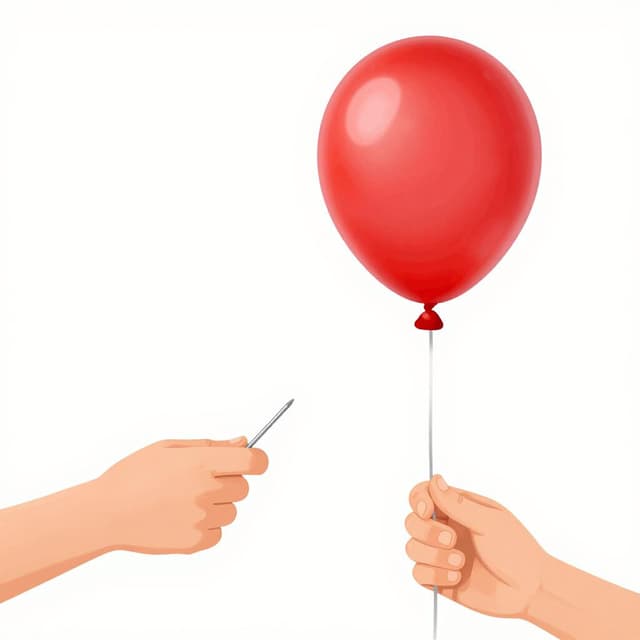
pinchar — to prick
The present of pinchar is regular: pincho, pinchas, pincha, pinchamos, pincháis, pinchan.
Formy pinchar Czas teraźniejszy
Kiedy używać Czas teraźniejszy
Use the present tense for actions happening right now ('Te pincho el dedo ahora mismo'), habitual actions ('Ella pincha globos en las fiestas'), or general truths ('Si pinchas aire, se infla').
Uwagi dotyczące pinchar w czasie Czas teraźniejszy
Pinchar is a regular -ar verb and follows the standard conjugation pattern in the present tense.
Przykładowe zdania
Yo pincho la carne para que se cocine mejor.
I prick the meat so it cooks better.
yo
¿Tú pinchas las uvas antes de comerlas?
Do you prick the grapes before eating them?
tú
El doctor pincha la piel para poner la inyección.
The doctor pricks the skin to give the injection.
él/ella/usted
Ellos pinchan el queso para hacerle agujeros.
They prick the cheese to make holes in it.
ellos/ellas/ustedes
Częste błędy
Błąd: Using the present subjunctive instead of the present indicative, especially after verbs like 'creer'.
Poprawnie: For facts or beliefs, use the present indicative: 'Creo que pinchas bien'.
Dlaczego: The indicative mood is for stating facts or beliefs, while the subjunctive is for doubt, desire, etc.
Błąd: Confusing 'pincha' (él/ella/Ud.) with 'pincha' (imperative tú).
Poprawnie: Context usually clarifies, but remember 'pincha' can be a command to 'tú' or a statement about él/ella/usted.
Dlaczego: The same form exists in two different moods/tenses.
Opanuj hiszpańskie czasowniki w kontekście
Zapamiętywanie tabel to dopiero początek. Przeczytaj ponad 200 ilustrowanych i udźwiękowionych hiszpańskich historii, aby zobaczyć czasowniki takie jak 'pinchar' używane naturalnie — w czasach, których się uczysz.
Powiązane czasy
Czas przeszły prosty
yo: pinché
The preterite of pinchar is regular: pinché, pinchaste, pinchó, pinchamos, pinchasteis, pincharon.
Czas przeszły niedokonany
yo: pinchaba
The imperfect of pinchar is regular: pinchaba, pinchabas, pinchaba, pinchábamos, pinchabais, pinchaban.
Czas przyszły
yo: pincharé
The future of pinchar is regular: pincharé, pincharás, pinchará, pincharemos, pincharéis, pincharán.
Tryb warunkowy
yo: pincharía
The conditional of pinchar is regular: pincharía, pincharías, pincharía, pincharíamos, pincharíais, pincharían.
Tryb Subj. teraźniejszy
yo: pinche
Use 'pinche' (yo/él/ella/Ud.), 'pinches' (tú), 'pinchemos' (nosotros), 'pinchéis' (vosotros), 'pinchen' (ellos/ellas/Uds.) for wishes, doubts, emotions.
Tryb Subj. przeszły niedokonany
yo: pinchara
Use 'pinchara' or 'pinchase' forms for past hypothetical situations, wishes, or doubts.
Tryb rozkazujący (twierdzący)
yo: pincha
Use 'pincha' (tú), 'pinche' (usted), 'pinchemos' (nosotros), 'pinchad' (vosotros), 'pinchen' (ustedes) for direct commands.
Tryb rozkazujący (przeczący)
yo: no pinches
Negative commands use 'no' plus the present subjunctive: 'no pinches' (tú), 'no pinche' (usted), etc.