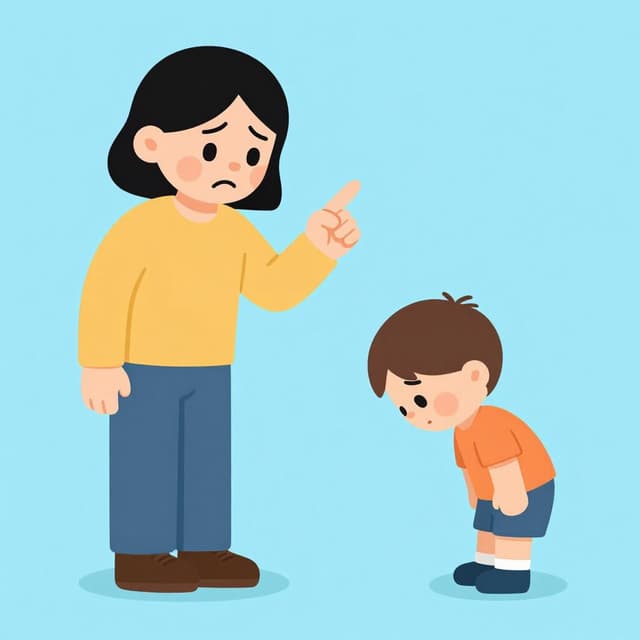
Koniugacja reprochar Tryb warunkowy
reprochar — to reproach
The conditional of reprochar is regular: reprocharía, reprocharías, reprocharía, reprocharíamos, reprocharíais, reprocharían.
Formy reprochar Tryb warunkowy
Kiedy używać Tryb warunkowy
Use the conditional for hypothetical situations ('what would happen'), polite requests, or to express a future action from a past perspective ('he said he would reproach me').
Uwagi dotyczące reprochar w czasie Tryb warunkowy
Reprochar is regular in the conditional tense. The stem is the full infinitive 'reprochar', and the standard conditional endings are added.
Przykładowe zdania
Yo te reprocharía si fuera justo.
I would reproach you if it were fair.
yo
¿Me reprocharías por mi error?
Would you reproach me for my mistake?
tú
Él dijo que nos reprocharía.
He said he would reproach us.
él/ella/usted
Ellos reprocharían la propuesta si no les gustara.
They would reproach the proposal if they didn't like it.
ellos/ellas/ustedes
Nosotros reprocharíamos su actitud, pero preferimos callar.
We would reproach his attitude, but we prefer to stay silent.
nosotros
Częste błędy
Błąd: Using the simple future instead of the conditional for hypotheticals.
Poprawnie: For 'would reproach', use 'reprocharía', not 'reprochará'.
Dlaczego: The future tense talks about what *will* happen, while the conditional talks about what *would* happen under certain conditions.
Błąd: Confusing conditional endings with imperfect subjunctive endings.
Poprawnie: The conditional endings are -ía, -ías, -ía, -íamos, -íais, -ían.
Dlaczego: Both tenses deal with hypotheticals but have distinct endings and uses.
Opanuj hiszpańskie czasowniki w kontekście
Zapamiętywanie tabel to dopiero początek. Przeczytaj ponad 200 ilustrowanych i udźwiękowionych hiszpańskich historii, aby zobaczyć czasowniki takie jak 'reprochar' używane naturalnie — w czasach, których się uczysz.
Powiązane czasy
Czas teraźniejszy
yo: reprocho
The present indicative of reprochar is regular: reprocho, reprochas, reprocha, reprochamos, reprocháis, reprochan.
Czas przeszły prosty
yo: reproché
The preterite of reprochar is regular: reproché, reprochaste, reprochó, reprochamos, reprochasteis, reprocharon.
Czas przeszły niedokonany
yo: reprochaba
The imperfect of reprochar is regular: reprochaba, reprochabas, reprochaba, reprochábamos, reprochabais, reprochaban.
Czas przyszły
yo: reprocharé
The future of reprochar is regular: reprocharé, reprocharás, reprochará, reprocharemos, reprocharéis, reprocharán.
Tryb Subj. teraźniejszy
yo: reproche
The present subjunctive of reprochar is: reproche (yo/él/ella/usted), reproches (tú), reprochemos (nosotros), reprochéis (vosotros), reprochen (ellos/ellas/ustedes).
Tryb Subj. przeszły niedokonany
yo: reprochara
The imperfect subjunctive of reprochar has two forms: reprochara/reprochase (yo/él/ella/usted) and reprocharan/reprochasen (ellos/ellas/ustedes).
Tryb rozkazujący (twierdzący)
yo: reprocha
Commands in the imperative for reprochar are: reprocha (tú), reproche (usted), reprochemos (nosotros), reprochad (vosotros), reprochen (ustedes).
Tryb rozkazujący (przeczący)
yo: no reproches
Negative commands for reprochar use the present subjunctive: no reproches (tú), no reproche (usted), no reprochemos (nosotros), no reprochéis (vosotros), no reprochen (ustedes).