Koniugacja reprochar Czas przeszły niedokonany
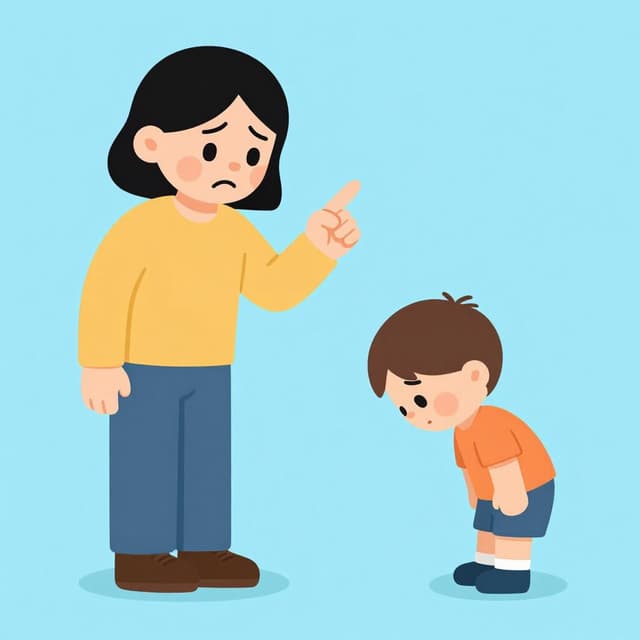
reprochar — to reproach
The imperfect of reprochar is regular: reprochaba, reprochabas, reprochaba, reprochábamos, reprochabais, reprochaban.
Formy reprochar Czas przeszły niedokonany
Kiedy używać Czas przeszły niedokonany
Use the imperfect for ongoing actions in the past, habitual actions, or descriptions. It sets the scene or describes what someone used to do or was doing when something else happened.
Uwagi dotyczące reprochar w czasie Czas przeszły niedokonany
Reprochar is regular in the imperfect tense. All forms follow the standard pattern for -ar verbs.
Przykładowe zdania
Cuando era joven, mi padre me reprochaba todo.
When I was young, my father reproached me for everything.
él/ella/usted
Ella siempre me reprochaba mi impuntualidad.
She always reproached me for my lateness.
él/ella/usted
Mientras estudiaba, mi madre me reprochaba que hiciera ruido.
While I was studying, my mother reproached me for making noise.
él/ella/usted
No nos reprochábamos nada, vivíamos en armonía.
We didn't reproach each other for anything; we lived in harmony.
nosotros
Los niños se quejaban, pero los padres no los reprochaban.
The children complained, but the parents didn't reproach them.
ellos/ellas/ustedes
Częste błędy
Błąd: Using the preterite 'reprobó' instead of the imperfect 'reprobaba' for a description or habit.
Poprawnie: If the reproach was ongoing or habitual in the past, use 'reprobaba'.
Dlaczego: The imperfect describes background or repeated actions, while the preterite describes a single, completed event.
Błąd: Forgetting the accent on 'reprochábamos' (nosotros).
Poprawnie: The correct form is 'reprochábamos'.
Dlaczego: The accent marks the stressed syllable and is required for this form.
Opanuj hiszpańskie czasowniki w kontekście
Zapamiętywanie tabel to dopiero początek. Przeczytaj ponad 200 ilustrowanych i udźwiękowionych hiszpańskich historii, aby zobaczyć czasowniki takie jak 'reprochar' używane naturalnie — w czasach, których się uczysz.
Powiązane czasy
Czas teraźniejszy
yo: reprocho
The present indicative of reprochar is regular: reprocho, reprochas, reprocha, reprochamos, reprocháis, reprochan.
Czas przeszły prosty
yo: reproché
The preterite of reprochar is regular: reproché, reprochaste, reprochó, reprochamos, reprochasteis, reprocharon.
Czas przyszły
yo: reprocharé
The future of reprochar is regular: reprocharé, reprocharás, reprochará, reprocharemos, reprocharéis, reprocharán.
Tryb warunkowy
yo: reprocharía
The conditional of reprochar is regular: reprocharía, reprocharías, reprocharía, reprocharíamos, reprocharíais, reprocharían.
Tryb Subj. teraźniejszy
yo: reproche
The present subjunctive of reprochar is: reproche (yo/él/ella/usted), reproches (tú), reprochemos (nosotros), reprochéis (vosotros), reprochen (ellos/ellas/ustedes).
Tryb Subj. przeszły niedokonany
yo: reprochara
The imperfect subjunctive of reprochar has two forms: reprochara/reprochase (yo/él/ella/usted) and reprocharan/reprochasen (ellos/ellas/ustedes).
Tryb rozkazujący (twierdzący)
yo: reprocha
Commands in the imperative for reprochar are: reprocha (tú), reproche (usted), reprochemos (nosotros), reprochad (vosotros), reprochen (ustedes).
Tryb rozkazujący (przeczący)
yo: no reproches
Negative commands for reprochar use the present subjunctive: no reproches (tú), no reproche (usted), no reprochemos (nosotros), no reprochéis (vosotros), no reprochen (ustedes).