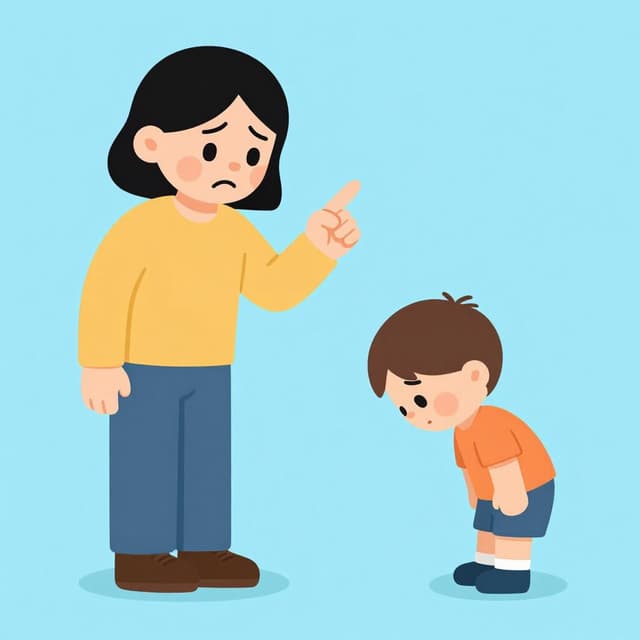
Koniugacja reprochar Tryb Subj. teraźniejszy
reprochar — to reproach
The present subjunctive of reprochar is: reproche (yo/él/ella/usted), reproches (tú), reprochemos (nosotros), reprochéis (vosotros), reprochen (ellos/ellas/ustedes).
Formy reprochar Tryb Subj. teraźniejszy
Kiedy używać Tryb Subj. teraźniejszy
Use the present subjunctive after expressions of desire, doubt, emotion, or uncertainty. It's also used in negative commands and relative clauses where the antecedent is unknown or non-existent.
Uwagi dotyczące reprochar w czasie Tryb Subj. teraźniejszy
Reprochar is regular in the present subjunctive. The forms are derived from the 'yo' form of the present indicative ('reprocho') by changing the ending.
Przykładowe zdania
Espero que no me reproches mi honestidad.
I hope you don't reproach me for my honesty.
tú
Dudo que él reproche la ayuda ofrecida.
I doubt he will reproach the help offered.
él/ella/usted
Queremos que reprochemos nuestros errores.
We want us to reproach our mistakes.
nosotros
No creo que vosotros reprochéis la decisión.
I don't think you all reproach the decision.
vosotros
Me sorprende que ellos reprochen tanto.
It surprises me that they reproach so much.
ellos/ellas/ustedes
Częste błędy
Błąd: Using the present indicative instead of the present subjunctive.
Poprawnie: After 'dudo que', use 'reproche', not 'reprocha'.
Dlaczego: Expressions of doubt, emotion, and desire trigger the subjunctive mood.
Błąd: Forgetting the accent on 'reprochéis' (vosotros).
Poprawnie: The correct form is 'reprochéis'.
Dlaczego: The accent is crucial for pronunciation and distinguishes the vosotros form.
Opanuj hiszpańskie czasowniki w kontekście
Zapamiętywanie tabel to dopiero początek. Przeczytaj ponad 200 ilustrowanych i udźwiękowionych hiszpańskich historii, aby zobaczyć czasowniki takie jak 'reprochar' używane naturalnie — w czasach, których się uczysz.
Powiązane czasy
Czas teraźniejszy
yo: reprocho
The present indicative of reprochar is regular: reprocho, reprochas, reprocha, reprochamos, reprocháis, reprochan.
Czas przeszły prosty
yo: reproché
The preterite of reprochar is regular: reproché, reprochaste, reprochó, reprochamos, reprochasteis, reprocharon.
Czas przeszły niedokonany
yo: reprochaba
The imperfect of reprochar is regular: reprochaba, reprochabas, reprochaba, reprochábamos, reprochabais, reprochaban.
Czas przyszły
yo: reprocharé
The future of reprochar is regular: reprocharé, reprocharás, reprochará, reprocharemos, reprocharéis, reprocharán.
Tryb warunkowy
yo: reprocharía
The conditional of reprochar is regular: reprocharía, reprocharías, reprocharía, reprocharíamos, reprocharíais, reprocharían.
Tryb Subj. przeszły niedokonany
yo: reprochara
The imperfect subjunctive of reprochar has two forms: reprochara/reprochase (yo/él/ella/usted) and reprocharan/reprochasen (ellos/ellas/ustedes).
Tryb rozkazujący (twierdzący)
yo: reprocha
Commands in the imperative for reprochar are: reprocha (tú), reproche (usted), reprochemos (nosotros), reprochad (vosotros), reprochen (ustedes).
Tryb rozkazujący (przeczący)
yo: no reproches
Negative commands for reprochar use the present subjunctive: no reproches (tú), no reproche (usted), no reprochemos (nosotros), no reprochéis (vosotros), no reprochen (ustedes).