Koniugacja reprochar Czas przeszły prosty
reprochar — to reproach
The preterite of reprochar is regular: reproché, reprochaste, reprochó, reprochamos, reprochasteis, reprocharon.
Formy reprochar Czas przeszły prosty
Kiedy używać Czas przeszły prosty
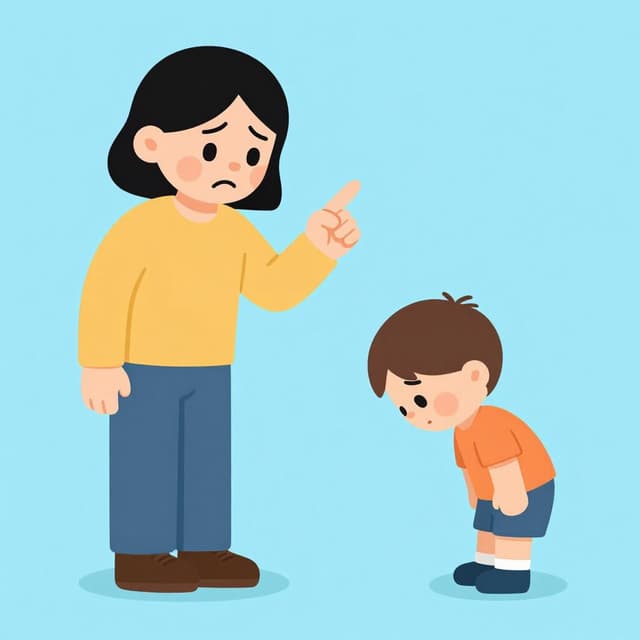
Use the preterite for completed actions in the past. Think of specific moments someone reproached another person, or a specific instance of reproaching.
Uwagi dotyczące reprochar w czasie Czas przeszły prosty
Reprochar is fully regular in the preterite tense. All forms follow the standard pattern for -ar verbs.
Przykładowe zdania
Ayer te reproché tu falta de atención.
Yesterday I reproached you for your lack of attention.
yo
¿Me reprochaste por llegar tarde?
Did you reproach me for arriving late?
tú
El jefe reprochó el error al empleado.
The boss reproached the employee for the mistake.
él/ella/usted
Reprochamos su actitud en la reunión.
We reproached his attitude in the meeting.
nosotros
Ellos reprocharon la decisión del comité.
They reproached the committee's decision.
ellos/ellas/ustedes
Częste błędy
Błąd: Using the imperfect 'reprobaba' instead of the preterite 'reprobó' for a single past event.
Poprawnie: If the reproach happened once and finished, use 'reprobó'.
Dlaczego: The preterite marks a specific, completed action, while the imperfect describes ongoing or habitual past actions.
Błąd: Confusing the nosotros preterite 'reprochamos' with the present indicative 'reprochamos'.
Poprawnie: Context usually makes it clear, but be mindful of verb tense.
Dlaczego: These forms are identical, requiring careful attention to the surrounding sentence to determine if it's a past completed action or a present habitual one.
Opanuj hiszpańskie czasowniki w kontekście
Zapamiętywanie tabel to dopiero początek. Przeczytaj ponad 200 ilustrowanych i udźwiękowionych hiszpańskich historii, aby zobaczyć czasowniki takie jak 'reprochar' używane naturalnie — w czasach, których się uczysz.
Powiązane czasy
Czas teraźniejszy
yo: reprocho
The present indicative of reprochar is regular: reprocho, reprochas, reprocha, reprochamos, reprocháis, reprochan.
Czas przeszły niedokonany
yo: reprochaba
The imperfect of reprochar is regular: reprochaba, reprochabas, reprochaba, reprochábamos, reprochabais, reprochaban.
Czas przyszły
yo: reprocharé
The future of reprochar is regular: reprocharé, reprocharás, reprochará, reprocharemos, reprocharéis, reprocharán.
Tryb warunkowy
yo: reprocharía
The conditional of reprochar is regular: reprocharía, reprocharías, reprocharía, reprocharíamos, reprocharíais, reprocharían.
Tryb Subj. teraźniejszy
yo: reproche
The present subjunctive of reprochar is: reproche (yo/él/ella/usted), reproches (tú), reprochemos (nosotros), reprochéis (vosotros), reprochen (ellos/ellas/ustedes).
Tryb Subj. przeszły niedokonany
yo: reprochara
The imperfect subjunctive of reprochar has two forms: reprochara/reprochase (yo/él/ella/usted) and reprocharan/reprochasen (ellos/ellas/ustedes).
Tryb rozkazujący (twierdzący)
yo: reprocha
Commands in the imperative for reprochar are: reprocha (tú), reproche (usted), reprochemos (nosotros), reprochad (vosotros), reprochen (ustedes).
Tryb rozkazujący (przeczący)
yo: no reproches
Negative commands for reprochar use the present subjunctive: no reproches (tú), no reproche (usted), no reprochemos (nosotros), no reprochéis (vosotros), no reprochen (ustedes).