Koniugacja reprochar Tryb Subj. przeszły niedokonany
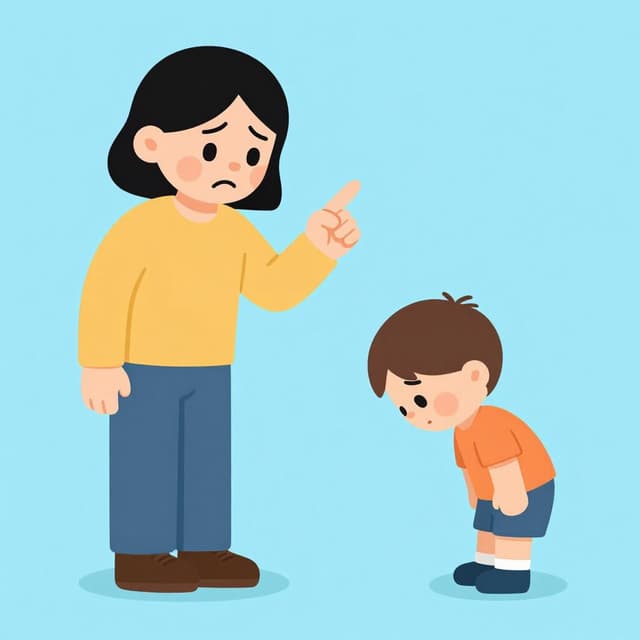
reprochar — to reproach
The imperfect subjunctive of reprochar has two forms: reprochara/reprochase (yo/él/ella/usted) and reprocharan/reprochasen (ellos/ellas/ustedes).
Formy reprochar Tryb Subj. przeszły niedokonany
Kiedy używać Tryb Subj. przeszły niedokonany
Use the imperfect subjunctive for hypothetical situations, wishes, or doubts in the past. It's common in 'if' clauses ('si...' clauses) referring to unreal or unlikely past conditions.
Uwagi dotyczące reprochar w czasie Tryb Subj. przeszły niedokonany
Reprochar is regular in the imperfect subjunctive. Both the -ra and -se forms are correct, though the -ra form is more common in many regions.
Przykładowe zdania
Si yo reprochara su actitud, me lo diría.
If I were to reproach his attitude, he would tell me.
yo
Me gustaría que no me reprocharas eso.
I wish you wouldn't reproach me for that.
tú
El profesor no reprochaba a los alumnos que estudiaban.
The teacher didn't reproach the students who studied.
él/ella/usted
Dudaba que ellos nos reprocharan algo.
I doubted they would reproach us for anything.
ellos/ellas/ustedes
Ojalá ella no les reprochase su error.
Hopefully she wouldn't reproach them for their mistake.
él/ella/usted
Częste błędy
Błąd: Using the preterite instead of the imperfect subjunctive in 'si' clauses.
Poprawnie: For hypothetical past situations, use 'si reprochara...' not 'si reproché...'.
Dlaczego: The imperfect subjunctive is specifically for unreal or hypothetical conditions, while the preterite describes completed past actions.
Błąd: Confusing the -ra and -se endings, or using the wrong one.
Poprawnie: Both 'reprochara' and 'reprochase' are correct for the 'yo' form, as are 'reprocharan' and 'reprochasen' for 'ellos/ellas/ustedes'.
Dlaczego: While both sets of endings are grammatically correct, regional preferences exist, and learners might incorrectly mix them or only learn one set.
Opanuj hiszpańskie czasowniki w kontekście
Zapamiętywanie tabel to dopiero początek. Przeczytaj ponad 200 ilustrowanych i udźwiękowionych hiszpańskich historii, aby zobaczyć czasowniki takie jak 'reprochar' używane naturalnie — w czasach, których się uczysz.
Powiązane czasy
Czas teraźniejszy
yo: reprocho
The present indicative of reprochar is regular: reprocho, reprochas, reprocha, reprochamos, reprocháis, reprochan.
Czas przeszły prosty
yo: reproché
The preterite of reprochar is regular: reproché, reprochaste, reprochó, reprochamos, reprochasteis, reprocharon.
Czas przeszły niedokonany
yo: reprochaba
The imperfect of reprochar is regular: reprochaba, reprochabas, reprochaba, reprochábamos, reprochabais, reprochaban.
Czas przyszły
yo: reprocharé
The future of reprochar is regular: reprocharé, reprocharás, reprochará, reprocharemos, reprocharéis, reprocharán.
Tryb warunkowy
yo: reprocharía
The conditional of reprochar is regular: reprocharía, reprocharías, reprocharía, reprocharíamos, reprocharíais, reprocharían.
Tryb Subj. teraźniejszy
yo: reproche
The present subjunctive of reprochar is: reproche (yo/él/ella/usted), reproches (tú), reprochemos (nosotros), reprochéis (vosotros), reprochen (ellos/ellas/ustedes).
Tryb rozkazujący (twierdzący)
yo: reprocha
Commands in the imperative for reprochar are: reprocha (tú), reproche (usted), reprochemos (nosotros), reprochad (vosotros), reprochen (ustedes).
Tryb rozkazujący (przeczący)
yo: no reproches
Negative commands for reprochar use the present subjunctive: no reproches (tú), no reproche (usted), no reprochemos (nosotros), no reprochéis (vosotros), no reprochen (ustedes).