Koniugacja trasladar Czas przyszły
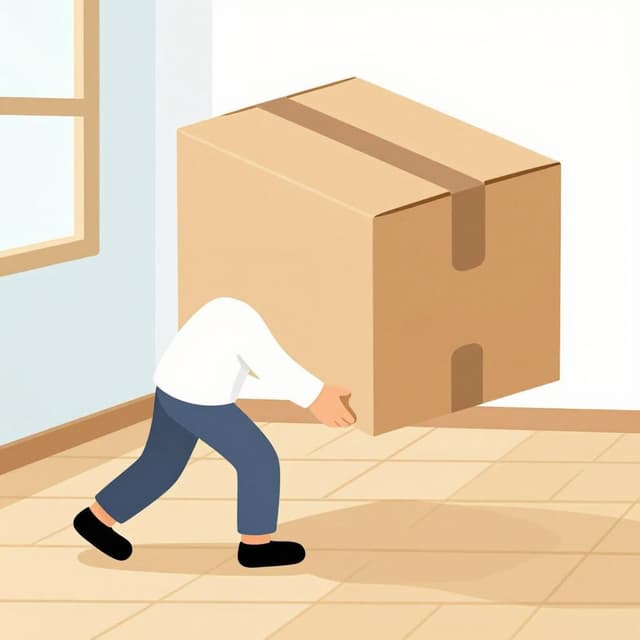
trasladar — to move
The future tense of trasladar (trasladaré, trasladarás, trasladará...) indicates actions that will happen.
Formy trasladar Czas przyszły
Kiedy używać Czas przyszły
Use the future tense to talk about actions that are certain to happen in the future, or to express probability or conjecture about the present. For example, 'Mañana trasladaré mis muebles' (Tomorrow I will move my furniture) or 'Se trasladarán a España el próximo año' (They will probably move to Spain next year).
Uwagi dotyczące trasladar w czasie Czas przyszły
Trasladar is regular in the future indicative. The entire infinitive 'trasladar' is used as the stem, and the standard future endings are added.
Przykładowe zdania
Yo trasladaré mi oficina el próximo mes.
I will move my office next month.
yo
¿Tú trasladarás el proyecto a otro equipo?
Will you move the project to another team?
tú
Él se trasladará a Buenos Aires en enero.
He will move to Buenos Aires in January.
él/ella/usted
Nosotros trasladaremos la reunión a la sala B.
We will move the meeting to room B.
nosotros
Ellos trasladarán su negocio al centro.
They will move their business downtown.
ellos/ellas/ustedes
Częste błędy
Błąd: Using the present tense instead of the future for a future action.
Poprawnie: For definite future actions, use the future tense: 'Trasladaré mis cosas mañana' (I will move my things tomorrow).
Dlaczego: While the present can sometimes imply future, the future tense is more precise for planned events.
Błąd: Confusing the future ending '-ás' (tú) with the present tense '-as'.
Poprawnie: The future tense adds endings to the infinitive stem: 'trasladarás' (future) vs 'trasladas' (present).
Dlaczego: These endings look similar but are used in different tenses.
Opanuj hiszpańskie czasowniki w kontekście
Zapamiętywanie tabel to dopiero początek. Przeczytaj ponad 200 ilustrowanych i udźwiękowionych hiszpańskich historii, aby zobaczyć czasowniki takie jak 'trasladar' używane naturalnie — w czasach, których się uczysz.
Powiązane czasy
Czas teraźniejszy
yo: traslado
The present tense of trasladar (traslado, trasladas, traslada...) describes current actions, habits, or general truths about moving.
Czas przeszły prosty
yo: trasladé
The preterite of trasladar is regular: trasladé, trasladaste, trasladó, trasladamos, trasladasteis, trasladaron.
Czas przeszły niedokonany
yo: trasladaba
The imperfect of trasladar (trasladaba, trasladabas, trasladaba...) describes ongoing or habitual past actions of moving.
Tryb warunkowy
yo: trasladaría
The conditional of trasladar (trasladaría, trasladarías, trasladaría...) expresses hypothetical actions ('would move') or polite requests.
Tryb Subj. teraźniejszy
yo: traslade
The present subjunctive of trasladar (e.g., traslade, traslades, trasladen) follows expressions of doubt, desire, emotion, or uncertainty.
Tryb Subj. przeszły niedokonany
yo: trasladara
The imperfect subjunctive of trasladar (e.g., trasladara, trasladase) is used for past wishes, hypothetical situations, or polite requests.
Tryb rozkazujący (twierdzący)
yo: traslada
The imperative of trasladar has regular commands like 'traslada' (tú) and 'trasladen' (ustedes).
Tryb rozkazujący (przeczący)
yo: no traslades
Negative commands for 'trasladar' use the present subjunctive, like 'no traslades' (tú) and 'no trasladen' (ustedes).