Koniugacja trasladar Czas teraźniejszy
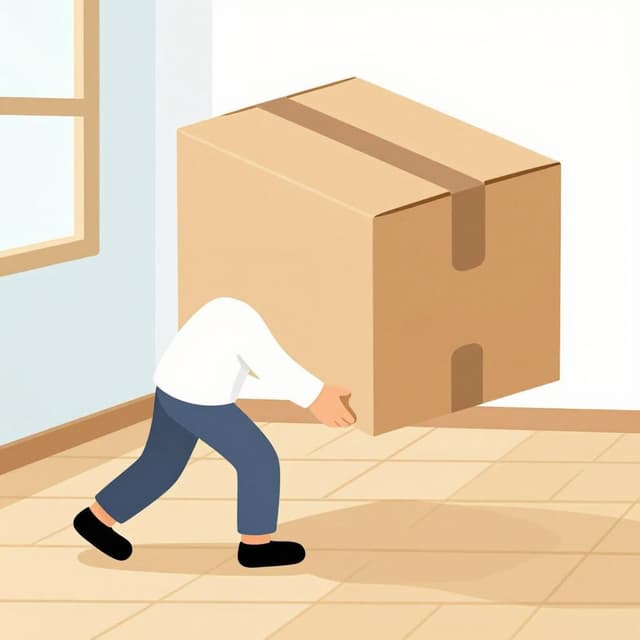
trasladar — to move
The present tense of trasladar (traslado, trasladas, traslada...) describes current actions, habits, or general truths about moving.
Formy trasladar Czas teraźniejszy
Kiedy używać Czas teraźniejszy
Use the present tense for actions happening right now ('Ahora traslado mis cosas'), habitual actions ('Me traslado en metro todos los días'), or general facts ('El sol se traslada de este a oeste').
Uwagi dotyczące trasladar w czasie Czas teraźniejszy
Trasladar is regular in the present indicative. It follows the standard conjugation pattern for -ar verbs.
Przykładowe zdania
Yo traslado los paquetes a la bodega.
I move the packages to the warehouse.
yo
¿Tú siempre trasladas tu oficina en verano?
Do you always move your office in the summer?
tú
Él traslada su escritorio a la esquina.
He moves his desk to the corner.
él/ella/usted
Nosotros trasladamos el equipo a la sala de conferencias.
We move the equipment to the conference room.
nosotros
Ellos se trasladan a un nuevo apartamento.
They are moving to a new apartment.
ellos/ellas/ustedes
Częste błędy
Błąd: Using the present tense for a specific completed past action.
Poprawnie: For completed past actions, use the preterite: 'Ayer trasladé mis libros' (Yesterday I moved my books).
Dlaczego: The present tense is for ongoing or habitual actions, not finished events.
Błąd: Confusing 'traslada' (él/ella/usted present) with 'traslada' (tú imperative).
Poprawnie: Context is key. 'Él traslada la mesa' is a statement; 'Traslada la mesa' is a command to 'you'.
Dlaczego: The forms are identical, requiring context to differentiate.
Opanuj hiszpańskie czasowniki w kontekście
Zapamiętywanie tabel to dopiero początek. Przeczytaj ponad 200 ilustrowanych i udźwiękowionych hiszpańskich historii, aby zobaczyć czasowniki takie jak 'trasladar' używane naturalnie — w czasach, których się uczysz.
Powiązane czasy
Czas przeszły prosty
yo: trasladé
The preterite of trasladar is regular: trasladé, trasladaste, trasladó, trasladamos, trasladasteis, trasladaron.
Czas przeszły niedokonany
yo: trasladaba
The imperfect of trasladar (trasladaba, trasladabas, trasladaba...) describes ongoing or habitual past actions of moving.
Czas przyszły
yo: trasladaré
The future tense of trasladar (trasladaré, trasladarás, trasladará...) indicates actions that will happen.
Tryb warunkowy
yo: trasladaría
The conditional of trasladar (trasladaría, trasladarías, trasladaría...) expresses hypothetical actions ('would move') or polite requests.
Tryb Subj. teraźniejszy
yo: traslade
The present subjunctive of trasladar (e.g., traslade, traslades, trasladen) follows expressions of doubt, desire, emotion, or uncertainty.
Tryb Subj. przeszły niedokonany
yo: trasladara
The imperfect subjunctive of trasladar (e.g., trasladara, trasladase) is used for past wishes, hypothetical situations, or polite requests.
Tryb rozkazujący (twierdzący)
yo: traslada
The imperative of trasladar has regular commands like 'traslada' (tú) and 'trasladen' (ustedes).
Tryb rozkazujący (przeczący)
yo: no traslades
Negative commands for 'trasladar' use the present subjunctive, like 'no traslades' (tú) and 'no trasladen' (ustedes).