Koniugacja trasladar Czas przeszły niedokonany
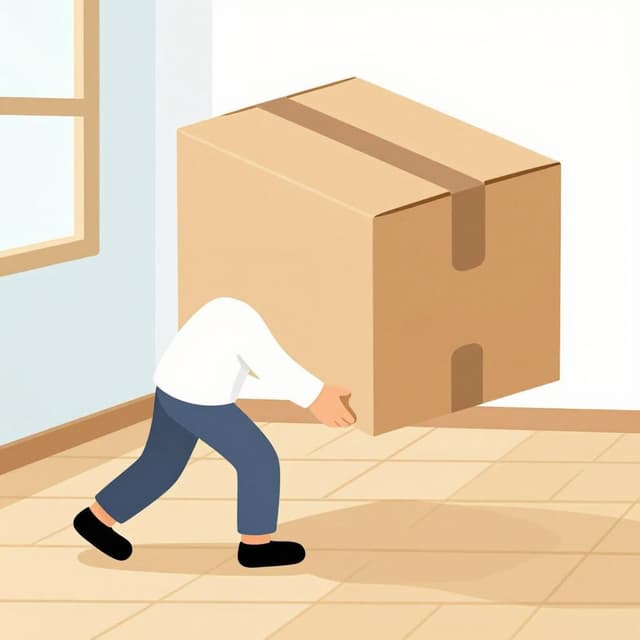
trasladar — to move
The imperfect of trasladar (trasladaba, trasladabas, trasladaba...) describes ongoing or habitual past actions of moving.
Formy trasladar Czas przeszły niedokonany
Kiedy używać Czas przeszły niedokonany
Use the imperfect for actions that were happening repeatedly or continuously in the past, or to set the scene. For example, 'Cuando era niño, me trasladaba a casa de mis abuelos cada verano' (When I was a child, I moved to my grandparents' house every summer) or 'El edificio se trasladaba lentamente' (The building was moving slowly - perhaps in a story).
Uwagi dotyczące trasladar w czasie Czas przeszły niedokonany
Trasladar is regular in the imperfect indicative. It follows the standard -ar verb conjugation pattern.
Przykładowe zdania
Yo me trasladaba a la oficina en autobús.
I used to move to the office by bus.
yo
¿Tú te trasladabas a menudo por trabajo?
Did you used to move often for work?
tú
Ella se trasladaba de habitación cada pocos meses.
She used to move rooms every few months.
él/ella/usted
Nosotros trasladábamos los materiales al sitio de construcción.
We used to move the materials to the construction site.
nosotros
Ellos se trasladaban a la costa durante el invierno.
They used to move to the coast during the winter.
ellos/ellas/ustedes
Częste błędy
Błąd: Using the imperfect for a single, completed action in the past.
Poprawnie: For a specific completed action, use the preterite: 'Me trasladé ayer' (I moved yesterday), not 'Me trasladaba ayer'.
Dlaczego: The imperfect describes ongoing or habitual actions, not single completed events.
Błąd: Confusing the imperfect 'trasladábamos' (nosotros) with the preterite 'trasladamos'.
Poprawnie: Remember the imperfect ending for -ar verbs is '-ábamos' (nosotros), while the preterite is '-amos'.
Dlaczego: These forms sound similar but denote different time frames (ongoing past vs. completed past).
Opanuj hiszpańskie czasowniki w kontekście
Zapamiętywanie tabel to dopiero początek. Przeczytaj ponad 200 ilustrowanych i udźwiękowionych hiszpańskich historii, aby zobaczyć czasowniki takie jak 'trasladar' używane naturalnie — w czasach, których się uczysz.
Powiązane czasy
Czas teraźniejszy
yo: traslado
The present tense of trasladar (traslado, trasladas, traslada...) describes current actions, habits, or general truths about moving.
Czas przeszły prosty
yo: trasladé
The preterite of trasladar is regular: trasladé, trasladaste, trasladó, trasladamos, trasladasteis, trasladaron.
Czas przyszły
yo: trasladaré
The future tense of trasladar (trasladaré, trasladarás, trasladará...) indicates actions that will happen.
Tryb warunkowy
yo: trasladaría
The conditional of trasladar (trasladaría, trasladarías, trasladaría...) expresses hypothetical actions ('would move') or polite requests.
Tryb Subj. teraźniejszy
yo: traslade
The present subjunctive of trasladar (e.g., traslade, traslades, trasladen) follows expressions of doubt, desire, emotion, or uncertainty.
Tryb Subj. przeszły niedokonany
yo: trasladara
The imperfect subjunctive of trasladar (e.g., trasladara, trasladase) is used for past wishes, hypothetical situations, or polite requests.
Tryb rozkazujący (twierdzący)
yo: traslada
The imperative of trasladar has regular commands like 'traslada' (tú) and 'trasladen' (ustedes).
Tryb rozkazujący (przeczący)
yo: no traslades
Negative commands for 'trasladar' use the present subjunctive, like 'no traslades' (tú) and 'no trasladen' (ustedes).