Koniugacja trasladar Tryb Subj. przeszły niedokonany
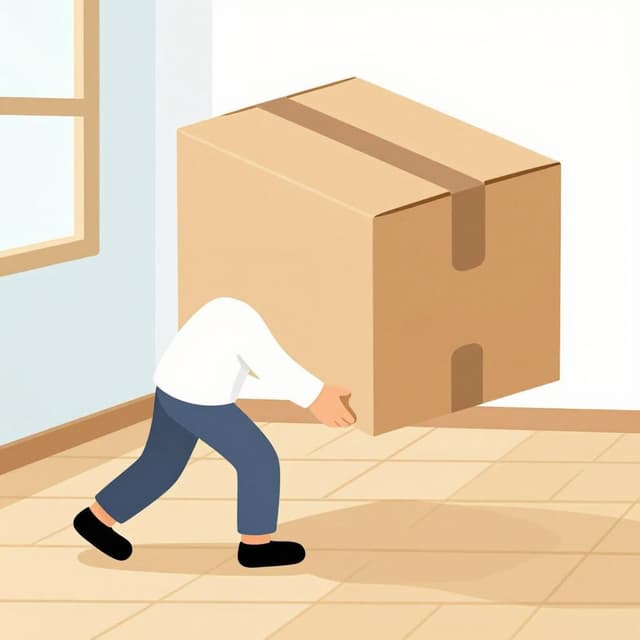
trasladar — to move
The imperfect subjunctive of trasladar (e.g., trasladara, trasladase) is used for past wishes, hypothetical situations, or polite requests.
Formy trasladar Tryb Subj. przeszły niedokonany
Kiedy używać Tryb Subj. przeszły niedokonany
This tense is great for talking about past desires or doubts ('Ojalá no se hubiera trasladado') or in hypothetical 'if' clauses ('Si yo me trasladara a Madrid...'). It's also used for polite requests in the past ('Me pidió que le trasladara el informe').
Uwagi dotyczące trasladar w czasie Tryb Subj. przeszły niedokonany
Trasladar is regular in the imperfect subjunctive. Both the -ra and -se endings are correct, though the -ra form is more common in many regions.
Przykładowe zdania
Si pudiera, me trasladara a la playa.
If I could, I would move to the beach.
yo
El jefe pidió que trasladáramos los archivos.
The boss asked that we move the files.
nosotros
Ella esperaba que él se trasladara a su ciudad.
She hoped that he would move to her city.
él/ella/usted
Dudaba que ustedes se trasladaran tan pronto.
I doubted that you all would move so soon.
ellos/ellas/ustedes
Częste błędy
Błąd: Using the imperfect indicative instead of the imperfect subjunctive in hypothetical clauses.
Poprawnie: For hypotheticals or conditions, use the imperfect subjunctive: 'Si me trasladara...' not 'Si me trasladaba...'.
Dlaczego: The imperfect subjunctive is required for unreal or hypothetical conditions.
Błąd: Confusing the -ra and -se forms, or using the wrong ending.
Poprawnie: Both 'trasladara' and 'trasladase' are usually correct for 'yo', 'él/ella/usted'. Ensure you use the corresponding endings for other persons (e.g., 'trasladaras', 'trasladases').
Dlaczego: While both forms are valid, learners sometimes mix them up or use incorrect endings.
Opanuj hiszpańskie czasowniki w kontekście
Zapamiętywanie tabel to dopiero początek. Przeczytaj ponad 200 ilustrowanych i udźwiękowionych hiszpańskich historii, aby zobaczyć czasowniki takie jak 'trasladar' używane naturalnie — w czasach, których się uczysz.
Powiązane czasy
Czas teraźniejszy
yo: traslado
The present tense of trasladar (traslado, trasladas, traslada...) describes current actions, habits, or general truths about moving.
Czas przeszły prosty
yo: trasladé
The preterite of trasladar is regular: trasladé, trasladaste, trasladó, trasladamos, trasladasteis, trasladaron.
Czas przeszły niedokonany
yo: trasladaba
The imperfect of trasladar (trasladaba, trasladabas, trasladaba...) describes ongoing or habitual past actions of moving.
Czas przyszły
yo: trasladaré
The future tense of trasladar (trasladaré, trasladarás, trasladará...) indicates actions that will happen.
Tryb warunkowy
yo: trasladaría
The conditional of trasladar (trasladaría, trasladarías, trasladaría...) expresses hypothetical actions ('would move') or polite requests.
Tryb Subj. teraźniejszy
yo: traslade
The present subjunctive of trasladar (e.g., traslade, traslades, trasladen) follows expressions of doubt, desire, emotion, or uncertainty.
Tryb rozkazujący (twierdzący)
yo: traslada
The imperative of trasladar has regular commands like 'traslada' (tú) and 'trasladen' (ustedes).
Tryb rozkazujący (przeczący)
yo: no traslades
Negative commands for 'trasladar' use the present subjunctive, like 'no traslades' (tú) and 'no trasladen' (ustedes).