
El cometa vs La cometa
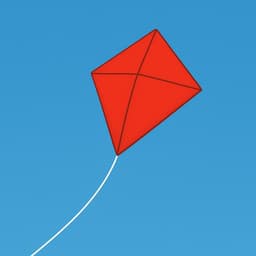
"El cometa" is in space, "la cometa" is in your hand.
el cometa
The comet (a celestial body of ice, rock, and dust)
el koh-MEH-tahla cometa
The kite (a toy that flies in the wind)
la koh-MEH-tahQuick Rule
"El cometa" is in space, "la cometa" is in your hand.
Think: 'El' for Espacio (space), 'La' for La mano (the hand).
Comparison Table
| Context | el cometa | la cometa | Why? |
|---|---|---|---|
| In the Sky | El cometa tiene una cola brillante. | La cometa vuela alto en el cielo. | 'El cometa' refers to the astronomical object, while 'la cometa' is the toy flying in the atmosphere. |
| How You See It | Necesitas un telescopio para ver el cometa. | Puedes ver mi cometa desde aquí. | One is distant and requires equipment to see; the other is a nearby object you see with your eyes. |
| What It's Made Of | El cometa está hecho de hielo y roca. | La cometa está hecha de plástico y papel. | The material tells you which object it is: 'el' for the space rock, 'la' for the man-made toy. |
When to Use "el cometa / la cometa"
el cometa
The comet (a celestial body of ice, rock, and dust)
el koh-MEH-tah
Referring to an object in space
Vimos el cometa Halley con un telescopio.
We saw Halley's Comet with a telescope.
Describing a celestial event
El cometa pasará cerca de la Tierra esta noche.
The comet will pass near Earth tonight.
In scientific or astronomical contexts
El núcleo del cometa está hecho de hielo y polvo.
The comet's nucleus is made of ice and dust.
la cometa
The kite (a toy that flies in the wind)
la koh-MEH-tah
Referring to a toy you fly
Vamos al parque a volar la cometa.
Let's go to the park to fly the kite.
Describing something getting stuck
¡Ayuda! Mi cometa se enredó en el árbol.
Help! My kite got tangled in the tree.
In recreational or beach contexts
La niña corría por la playa con su cometa.
The girl was running on the beach with her kite.
Contrast Examples
With "el cometa":
¡Mira! Se puede ver el cometa desde aquí.
Look! You can see the comet from here.
With "la cometa":
¡Mira! Se puede ver la cometa desde aquí.
Look! You can see the kite from here.
The Difference: The only difference is 'el' vs 'la', but it completely changes the subject from an astronomical phenomenon to a simple toy.
With "el cometa":
La cola del cometa mide millones de kilómetros.
The comet's tail is millions of kilometers long.
With "la cometa":
La cola de la cometa está hecha de cintas de colores.
The kite's tail is made of colorful ribbons.
The Difference: This highlights the vast difference in scale. 'El cometa' operates on a cosmic scale, while 'la cometa' is a small, tangible object.
Common Mistakes
En la playa, volamos el cometa.
En la playa, volamos la cometa.
A kite is a feminine noun, 'la cometa'. Using 'el cometa' would mean you are flying a celestial body, which is impossible!
Anoche vi la cometa con mi telescopio.
Anoche vi el cometa con mi telescopio.
The object you see in space with a telescope is masculine, 'el cometa'. 'La cometa' is a kite, which you wouldn't see at night.
Quick Practice
Quick Quiz: El cometa vs La cometa
Question 1 of 2
If you are at the beach on a windy day, you fly...
Related Grammar
Want to understand the grammar behind this pair? Explore these lessons for a deep dive:
Key Words


Tags
Build the instinct, not just the rule
Rules help you get it right; context makes it automatic. Read 200+ illustrated and narrated Spanish stories to see confusing pairs chosen correctly — over and over — until you stop thinking about it.
Frequently Asked Questions
Are there other Spanish words that change meaning with 'el' vs 'la'?
Yes, quite a few! This is a fun quirk of Spanish. Some common examples include 'el papa' (the Pope) vs. 'la papa' (the potato), and 'el cura' (the priest) vs. 'la cura' (the cure).
Why does the gender change the meaning so completely?
These words evolved from different roots or contexts. Over time, they ended up sounding the same, and the grammatical gender became the only way to tell them apart. It's just a vocabulary rule you have to memorize, but the mental images (space vs. park) make it easy to remember.