
el papa
The Pope; the head of the Catholic Church.
el PAH-pahla papa
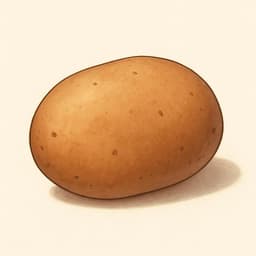
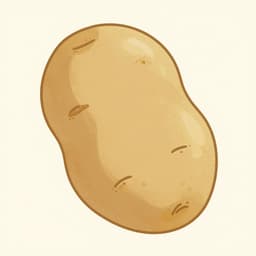
The potato; a starchy vegetable.
la PAH-pahQuick Rule
El papa is the Pope. La papa is the potato.
Remember: 'El' for the holy father, 'la' for the humble food.
- In most of Spain, they say 'la patata' for potato, but 'la papa' is understood and used in some regions.
- Watch the accent! 'El papá' (with an accent) means 'the dad'.
Comparison Table
| Context | el papa | la papa | Why? |
|---|---|---|---|
| Basic Meaning | El papa vive en Roma. | La papa crece en la tierra. | 'El papa' refers to the person (the Pope), while 'la papa' refers to the vegetable. |
| In a Question | ¿De dónde es el papa? | ¿Quieres más papa? | Use 'el' for the religious leader and 'la' for the food item. |
| Plural Form | Los papas de la Edad Media eran muy poderosos. | Las papas al horno son deliciosas. | The plural follows the gender: 'los papas' for popes, 'las papas' for potatoes. |
When to Use "el papa / la papa"
el papa
The Pope; the head of the Catholic Church.
el PAH-pah
Referring to the current Pope
El papa Francisco es de Argentina.
Pope Francis is from Argentina.
Talking about the role or title
El Vaticano es la residencia del papa.
The Vatican is the residence of the Pope.
In historical contexts
En la historia ha habido más de 260 papas.
In history, there have been more than 260 popes.
la papa
The potato; a starchy vegetable.
la PAH-pah
Referring to the food
Me encantan las papas fritas.
I love french fries (fried potatoes).
As an ingredient in a recipe
Para esta sopa, necesitas una papa grande.
For this soup, you need one large potato.
Buying groceries
Voy a comprar un kilo de papas.
I'm going to buy a kilo of potatoes.
Contrast Examples
With "el papa":
El papa es argentino.
The Pope is Argentinian.
With "la papa":
La papa es de origen americano.
The potato is of American origin.
The Difference: The article 'el' or 'la' is the only thing that distinguishes between a world leader and a common vegetable. The gender of the article completely changes the noun's meaning.
With "el papa":
Vimos una foto del papa en el restaurante.
We saw a photo of the Pope in the restaurant.
With "la papa":
Pedimos un plato con papa en el restaurante.
We ordered a dish with potato in the restaurant.
The Difference: One little word determines if you're talking about the decor ('el papa') or the menu ('la papa').
Common Mistakes
Quiero comer el papa.
Quiero comer la papa.
Potato ('papa') is a feminine noun and always uses 'la'. Saying 'el papa' means you want to eat the Pope!
La papa Francisco visitó México.
El papa Francisco visitó México.
The Pope is a male figure, so the noun is masculine and requires 'el'. Using 'la' would refer to a potato named Francisco.
Mi papa es de Irlanda.
Mi papá es de Irlanda.
This is a pronunciation and accent mistake. 'El papa' (no accent) is the Pope. 'El papá' (with an accent on the last 'a') is 'dad'. Be careful with that little line!
Quick Practice
Quick Quiz: El Papa vs La Papa
Question 1 of 2
Which word correctly fills the blank? 'La tortilla española se hace con huevos y ___.'
Related Grammar
Want to understand the grammar behind this pair? Explore these lessons for a deep dive:
Key Words

Tags
Build the instinct, not just the rule
Rules help you get it right; context makes it automatic. Read 200+ illustrated and narrated Spanish stories to see confusing pairs chosen correctly — over and over — until you stop thinking about it.
Frequently Asked Questions
I've heard people say 'patata'. What's the difference between 'papa' and 'patata'?
'La papa' is the most common word for potato throughout Latin America. 'La patata' is the standard word used in most of Spain. They both mean the same thing, it's just a regional difference, like 'soda' vs. 'pop' in English.
So 'el papa' is Pope, 'la papa' is potato... are there any other similar words I should know?
Yes, one very important one: 'el papá' (with a written accent on the last 'a') means 'dad'. The stress is on the second syllable. So, 'el papa' (stress on first syllable) = Pope, and 'el papá' (stress on second syllable) = dad. That little accent mark makes a big difference!