
Mediante vs A través de
Mediante = By means of (the tool/method). A través de = Through (the space/time).
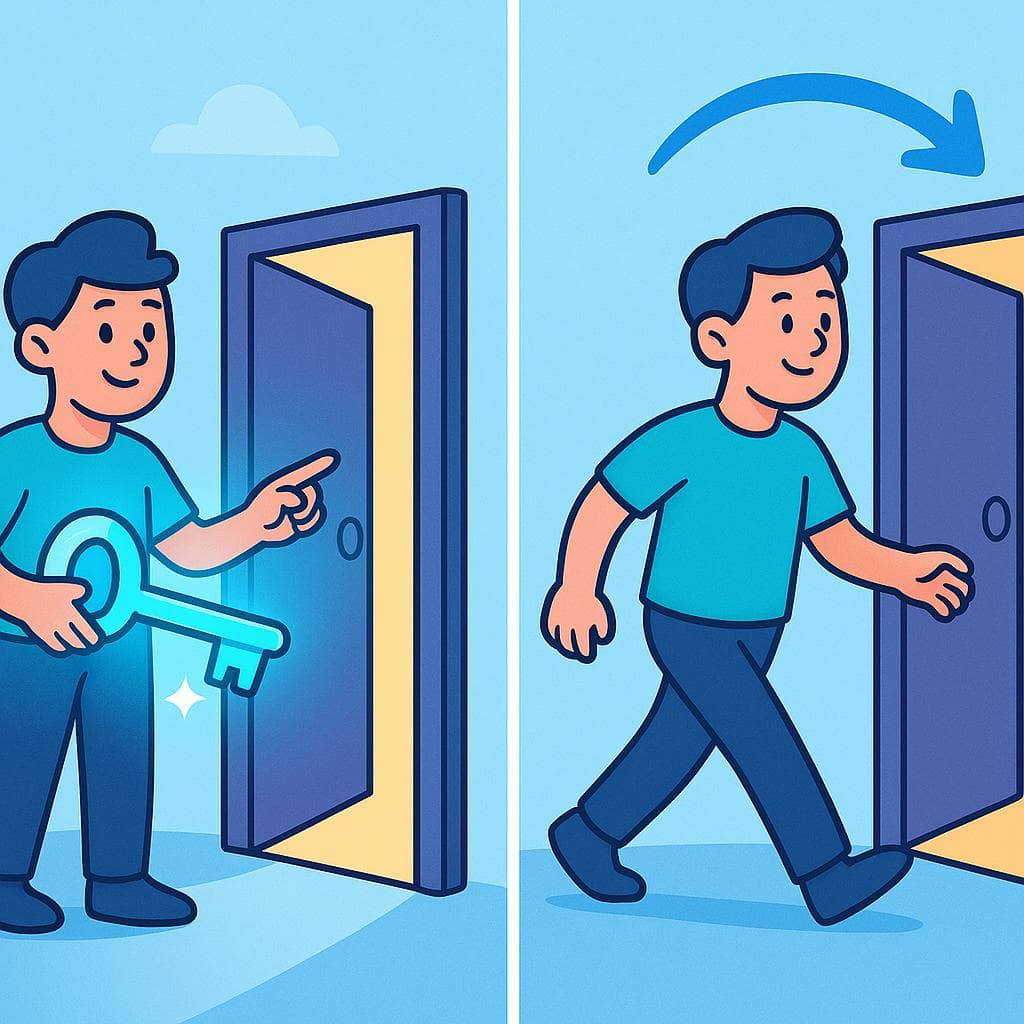
mediante
By means of, via, using. It highlights the tool, method, or instrument used to get something done. It often sounds a bit more formal.
meh-dee-AHN-teha través de
Through, across. It describes movement through a physical space, the passage of time, or the channel something passes through.
ah trah-VEHS dehQuick Rule
Mediante = By means of (the tool/method). A través de = Through (the space/time).
Think: Mediante = Method. A través de = Across.
- In very formal or legal writing, they can sometimes be used interchangeably, which is what causes confusion. But for everyday use, stick to the main rule.
Comparison Table
| Context | mediante | a través de | Why? |
|---|---|---|---|
| Communication | Me informó mediante un email. | Hablamos a través de la puerta. | 'Mediante' specifies the tool (email). 'A través de' describes the physical barrier we spoke through (the door). |
| Achieving a Goal | Consiguió el puesto mediante sus contactos. | Llegó al éxito a través de mucho trabajo. | 'Mediante' highlights the specific means (contacts). 'A través de' describes the process or experience passed through (hard work over time). |
| Physical Action | Abrió la caja mediante una palanca. | Miró a través de la cerradura. | 'Mediante' names the tool used (a lever). 'A través de' describes looking through a physical opening (the keyhole). |
When to Use "mediante / a través de"
mediante
By means of, via, using. It highlights the tool, method, or instrument used to get something done. It often sounds a bit more formal.
meh-dee-AHN-teh
Method or means
Lo logré mediante mucho esfuerzo.
I achieved it by means of a lot of effort.
Instrument or tool
Nos comunicamos mediante videollamada.
We communicate via video call.
Formal process
El pago se realizará mediante transferencia.
The payment will be made via bank transfer.
a través de
Through, across. It describes movement through a physical space, the passage of time, or the channel something passes through.
ah trah-VEHS deh
Movement through a physical space
Caminamos a través del bosque.
We walked through the forest.
Passage of time
Ha cambiado mucho a través de los años.
He has changed a lot through the years.
Channel or medium
Me enteré de la noticia a través de un amigo.
I found out about the news through a friend.
Contrast Examples
With "mediante":
Aprendí español mediante una aplicación.
I learned Spanish by means of an app.
With "a través de":
Aprendí sobre la cultura a través de mis viajes.
I learned about the culture through my travels.
The Difference: 'Mediante' points to the specific tool you used (the app). 'A través de' describes the experience or period you passed through to gain the knowledge (the travels).
With "mediante":
Enviaron la notificación mediante un comunicado oficial.
They sent the notification via an official statement.
With "a través de":
La noticia se extendió a través de las redes sociales.
The news spread through social media.
The Difference: 'Mediante' emphasizes the formal method or document used. 'A través de' emphasizes the channel or network the information traveled through.
Common Mistakes
Viajamos mediante el país.
Viajamos a través del país.
When talking about moving across or through a physical area like a country, you need 'a través de'. 'Mediante' would imply the country itself was a tool for travel.
Te veo mediante la ventana.
Te veo a través de la ventana.
You are looking *through* the physical object of the window. Use 'a través de'. 'Mediante la ventana' would illogically mean 'using the window as a tool to see'.
Quick Practice
Quick Quiz: Mediante vs A través de
Question 1 of 2
El ladrón escapó ___ la ventana.
Related Grammar
Want to understand the grammar behind this pair? Explore these lessons for a deep dive:
Key Words



Tags
Build the instinct, not just the rule
Rules help you get it right; context makes it automatic. Read 200+ illustrated and narrated Spanish stories to see confusing pairs chosen correctly — over and over — until you stop thinking about it.
Frequently Asked Questions
Is 'por' ever a good substitute for these?
Sometimes! 'Por' can mean 'through' or 'by means of', making it a more versatile (and common) choice. For example, you could say 'Hablamos por teléfono' (by phone) or 'Caminamos por el parque' (through the park). 'Mediante' and 'a través de' are often more specific or formal alternatives.
Why does 'a través de' have three words?
It's a 'prepositional phrase' (locución preposicional). In Spanish, many concepts that are single prepositions in English (like 'on top of' or 'next to') are expressed with these multi-word phrases. Just treat 'a través de' as a single unit that means 'through'.