
Poco vs Un poco de
Poco = 'little' or 'few' (a negative feeling, not enough). Un poco de = 'a little bit of' (a positive feeling, some).
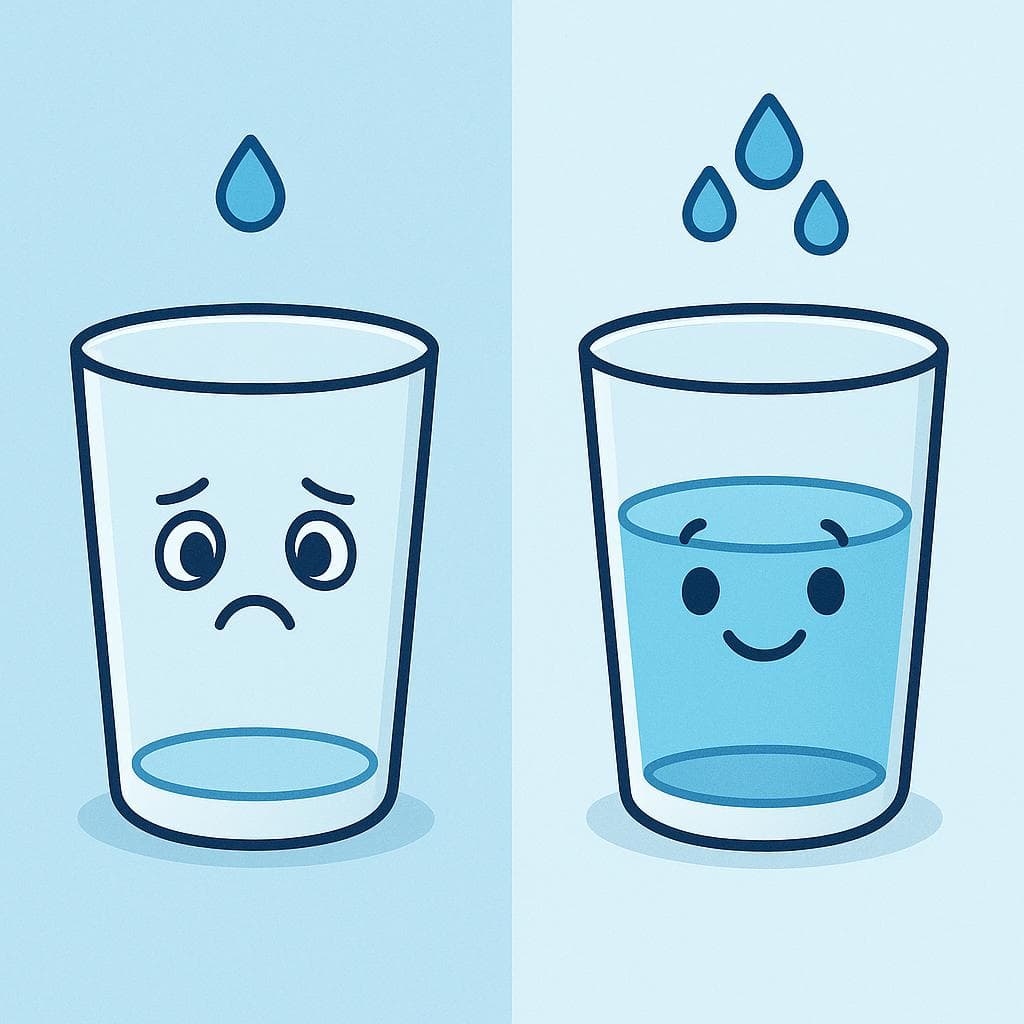
poco
Little, few, not much. Used to express a small quantity, often with a negative sense of 'not enough' or scarcity.
PO-koun poco de
A little bit of, some. Used to express a small but sufficient or positive quantity of something.
OON PO-ko dehQuick Rule
Poco = 'little' or 'few' (a negative feeling, not enough). Un poco de = 'a little bit of' (a positive feeling, some).
Think: 'Poco' is poor (not enough). 'Un poco de' is a portion (a specific, small amount).
- 'Un poco' (without 'de') is used with verbs and adjectives: 'Estoy un poco cansado' (I'm a little tired).
- 'Poco' can mean 'not very' before an adjective: 'Es poco inteligente' (He's not very smart).
Comparison Table
| Context | poco | un poco de | Why? |
|---|---|---|---|
| Talking about money | Tengo poco dinero. | Tengo un poco de dinero. | 'Poco' implies scarcity (I'm broke). 'Un poco de' implies a small but available amount (enough for a coffee). |
| Talking about time | Tenemos poco tiempo. | Tenemos un poco de tiempo. | 'Poco' means you're rushed and don't have enough time. 'Un poco de' means you have some time to spare. |
| Describing knowledge | Sé poco sobre física. | Sé un poco de física. | 'Poco' highlights a lack of knowledge. 'Un poco de' highlights the presence of some knowledge. |
When to Use "poco / un poco de"
poco
Little, few, not much. Used to express a small quantity, often with a negative sense of 'not enough' or scarcity.
PO-ko
Meaning 'few' (with countable nouns)
Tengo pocos amigos verdaderos.
I have few true friends.
Meaning 'little' (with uncountable nouns)
Queda poca leche.
There is little milk left.
Meaning 'not much' (with verbs)
Ella habla poco.
She doesn't talk much.
un poco de
A little bit of, some. Used to express a small but sufficient or positive quantity of something.
OON PO-ko deh
Meaning 'a little bit of' (uncountable nouns)
¿Quieres un poco de vino?
Do you want a little bit of wine?
Meaning 'some' (abstract nouns)
Necesitas un poco de paciencia.
You need a little patience.
To ask for a small portion
Ponme un poco de ensalada, por favor.
Give me a little bit of salad, please.
Contrast Examples
With "poco":
Tengo poca paciencia.
I have little patience. (I am an impatient person in general.)
With "un poco de":
Ten un poco de paciencia.
Have a little bit of patience. (A request to be patient in this specific situation.)
The Difference: 'Poca' describes a general character trait (a lack of patience). 'Un poco de' refers to a specific amount of patience needed right now.
With "poco":
El café tiene poco azúcar.
The coffee has little sugar. (Not much, maybe not enough.)
With "un poco de":
El café tiene un poco de azúcar.
The coffee has a little bit of sugar. (Some sugar was added.)
The Difference: 'Poco' emphasizes the smallness of the amount, often negatively. 'Un poco de' simply states that a small quantity is present.
Common Mistakes
Quiero poco de agua.
Quiero un poco de agua.
When you're asking for a small amount of something (a positive request), use 'un poco de'. 'Poco de agua' isn't used this way.
Hay un poco de personas.
Hay pocas personas.
'Un poco de' is used with things you can't count (water, time). For countable things like people or books, use 'pocos' or 'pocas'.
Estoy poco cansado.
Estoy un poco cansado.
To say you are 'a little' tired, sleepy, or sad, use 'un poco' (without 'de') before the adjective.
Quick Practice
Quick Quiz: Poco vs Un poco de
Question 1 of 3
If you're feeling rushed, you would say: 'Tengo ___ tiempo.'
Related Grammar
Want to understand the grammar behind this pair? Explore these lessons for a deep dive:
Key Words


Tags
Build the instinct, not just the rule
Rules help you get it right; context makes it automatic. Read 200+ illustrated and narrated Spanish stories to see confusing pairs chosen correctly — over and over — until you stop thinking about it.
Frequently Asked Questions
Why does 'poco' sometimes become 'poca', 'pocos', or 'pocas'?
When 'poco' acts like an adjective (a word that describes a noun), it has to match the noun's gender and number. So you say 'poco tiempo' (masculine, singular), 'poca agua' (feminine, singular), 'pocos libros' (masculine, plural), and 'pocas casas' (feminine, plural). 'Un poco de' never changes.
Can I ever use 'un poco' with countable nouns?
Generally, no. You should use 'pocos' or 'pocas' for things you can count (like friends, books, cars). The big exception is when you use the phrase 'un poco de todo', which means 'a little bit of everything', even if 'everything' includes countable items.