
Quemar vs Arder
Quemar = to burn *something* (an action). Arder = to *be* on fire (a state).
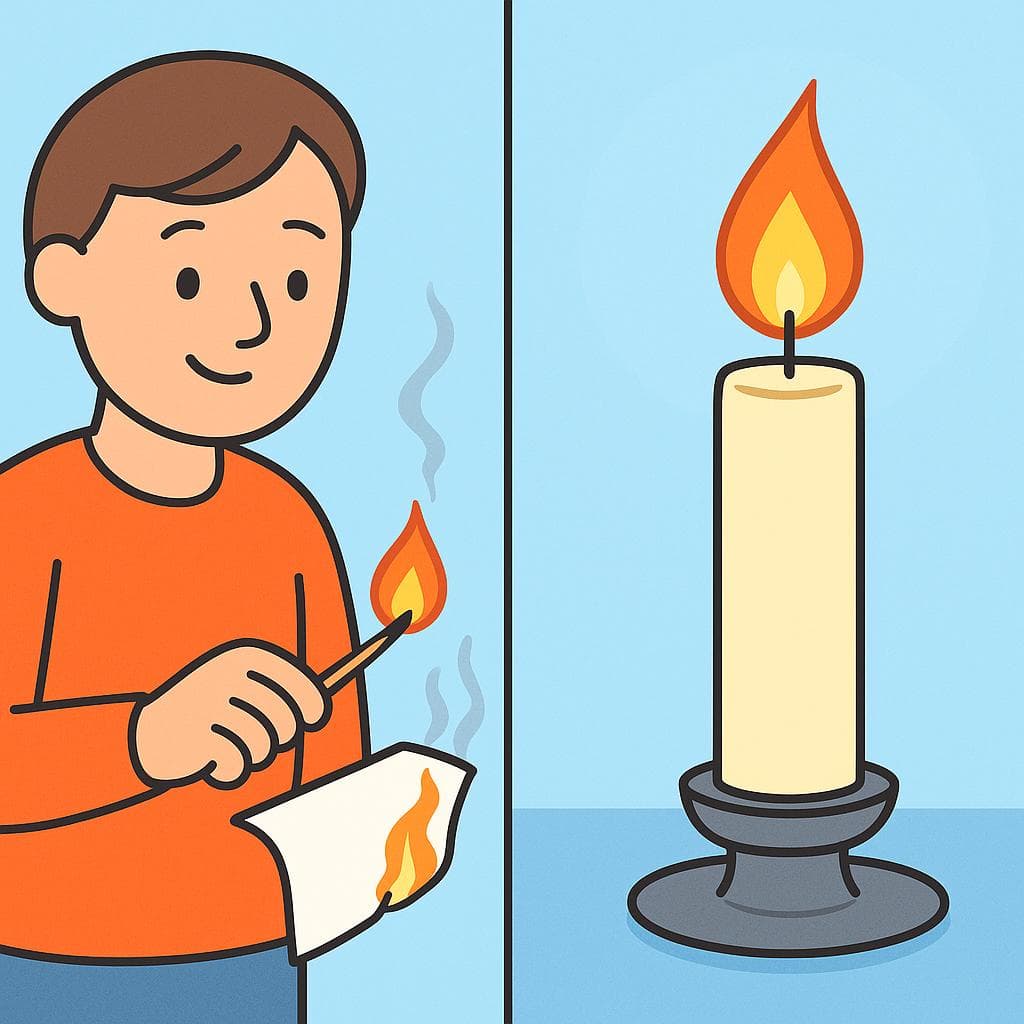
quemar
To burn, set on fire, or scorch. This is an action that one thing does to another.
keh-MARarder
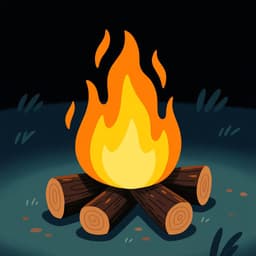
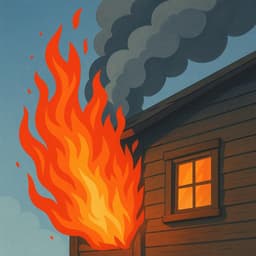
To be on fire, to blaze, to be burning. This describes the state of being in flames or intensely hot.
ar-DEHRQuick Rule
Quemar = to burn *something* (an action). Arder = to *be* on fire (a state).
Quemar has a 'Q' for '¿Qué?' - 'What is being burned?'. Arder just describes the fire itself.
- The reflexive 'quemarse' means 'to get burned' or 'to burn oneself', like 'Me quemé la mano' (I burned my hand).
- Arder is often used figuratively for strong emotions or sensations, like 'Me arde la garganta' (My throat is burning).
Comparison Table
| Context | quemar | arder | Why? |
|---|---|---|---|
| A Campfire | Quemamos malvaviscos. | El fuego ardía con fuerza. | Quemar is the action we do *to* the marshmallows. Arder describes the state of the fire itself. |
| Cooking | Se me quemó el arroz. | La cocina ardía en llamas. | Quemar (or quemarse) is for a specific item getting burnt. Arder is for the whole room being on fire. |
| Physical Injury | Me quemé la mano con la estufa. | La herida me arde mucho. | Quemar(se) describes the event that caused the injury. Arder describes the ongoing painful sensation. |
When to Use "quemar / arder"
quemar
To burn, set on fire, or scorch. This is an action that one thing does to another.
keh-MAR
Actively setting something on fire
Vamos a quemar las cartas viejas.
We're going to burn the old letters.
Burning food by accident
¡Cuidado! Vas a quemar el pollo.
Careful! You're going to burn the chicken.
Getting a sunburn
El sol me quemó los hombros.
The sun burned my shoulders.
Figuratively, to 'burn through' money
Quemó todos sus ahorros en un mes.
He burned through all his savings in one month.
arder
To be on fire, to blaze, to be burning. This describes the state of being in flames or intensely hot.
ar-DEHR
Describing something that is on fire
La leña arde en la chimenea.
The firewood is burning in the fireplace.
Describing a burning physical sensation
Me arden los ojos por el humo.
My eyes are burning from the smoke.
Describing strong emotions (like passion or anger)
Su corazón ardía de amor.
His heart was burning with love.
Describing something as intensely hot (like a fever)
El niño tiene fiebre, su frente arde.
The child has a fever, his forehead is burning.
Contrast Examples
With "quemar":
Un rayo quemó un pino y así empezó el incendio.
A lightning bolt burned a pine tree, and that's how the fire started.
With "arder":
Todo el bosque ardía sin control.
The entire forest was burning out of control.
The Difference: Quemar describes the specific action that started the fire. Arder describes the resulting, ongoing state of the whole forest being on fire.
With "quemar":
Esa salsa es tan picante que me quemó la lengua.
That sauce is so spicy it burned my tongue.
With "arder":
¡Ay, me arde la boca por la salsa!
Ouch, my mouth is burning from the sauce!
The Difference: Quemar treats the sauce as the thing *doing* the action to your tongue. Arder describes the sensation or state *in* your mouth as a result.
Common Mistakes
La casa ardió los muebles.
El fuego de la casa quemó los muebles.
You can't 'arder something' because arder doesn't take an object. The fire (fuego) is the agent that performs the action of 'quemar' on the furniture.
El sol me arde la piel.
El sol me quema la piel.
The sun is actively doing something *to* your skin, so you need the action verb 'quemar'. You could say 'la piel me arde' to describe the feeling, but the sun itself 'quema'.
Quick Practice
Quick Quiz: Quemar vs Arder
Question 1 of 2
Anoche, la casa abandonada ___ en llamas.
Related Grammar
Want to understand the grammar behind this pair? Explore these lessons for a deep dive:
Key Words


Tags
Build the instinct, not just the rule
Rules help you get it right; context makes it automatic. Read 200+ illustrated and narrated Spanish stories to see confusing pairs chosen correctly — over and over — until you stop thinking about it.
Frequently Asked Questions
Can I ever use 'quemar' without an object, like 'El fuego quema'?
Yes, you can! In this case, it means 'Fire burns' as a general fact, describing one of its properties. However, to say a specific fire *is currently burning*, you'd say 'El fuego arde'. 'Quema' describes what fire *does*, while 'arde' describes what a fire *is doing*.
What about the reflexive verb 'quemarse'?
Great question! 'Quemarse' means 'to get burned' or 'to burn oneself'. For example, 'Me quemé con la sopa' (I burned myself with the soup). It's used when the person or thing doing the action is also the one receiving it, or when something gets burned by accident, like 'Se quemó el pastel' (The cake got burned).