
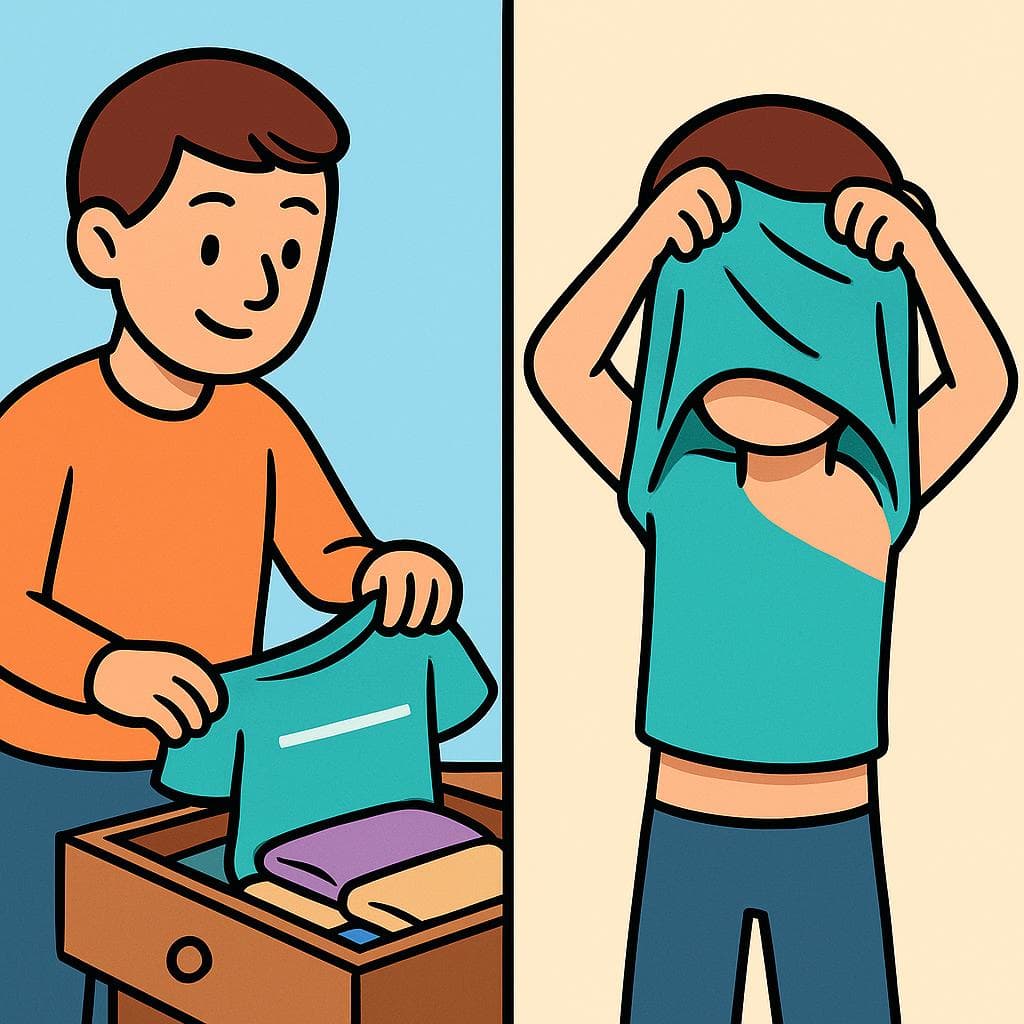
sacar
To take something OUT of a container, place, or enclosure; to get or obtain.
sah-KARquitar
To take something OFF a surface; to take something AWAY from someone; to remove.
kee-TARQuick Rule
Sacar = take OUT. Quitar = take OFF or AWAY.
Think: Sacar is for pulling something OUT of a 'sack'. Quitar is for making something 'quit' being on a surface or with a person.
- Sacar is used idiomatically for getting photos, grades, or tickets.
- Quitar can mean 'to relieve' a pain or 'to block' a view.
Comparison Table
| Context | sacar | quitar | Why? |
|---|---|---|---|
| Household Objects | Saca el juguete de la caja. | Quita el juguete del sofá. | Sacar is for taking something OUT OF an enclosed space (a box). Quitar is for taking it OFF a surface (a sofa). |
| Clothing | Saca un suéter del armario. | Quítate el suéter. | Use sacar to get clothes from where they are stored. Use quitar(se) to remove clothes you are wearing. |
| Abstract Things | Ella siempre saca buenas notas. | La música me quita el estrés. | Sacar is used for 'getting' grades. Quitar is used for 'removing' feelings or conditions. |
| Money | Voy a sacar dinero del banco. | Me quitaron la cartera. | Sacar is to withdraw your own money from a place. Quitar is when someone takes money/possessions away from you. |
When to Use "sacar / quitar"
sacar
To take something OUT of a container, place, or enclosure; to get or obtain.
sah-KAR
Take something out of a container
Saca la leche del refrigerador.
Take the milk out of the fridge.
Withdraw money
Necesito sacar dinero del cajero automático.
I need to take money out of the ATM.
Obtain something (tickets, license)
Voy a sacar las entradas para el concierto.
I'm going to get the tickets for the concert.
Take a photo
¿Puedes sacarnos una foto?
Can you take a picture of us?
quitar
To take something OFF a surface; to take something AWAY from someone; to remove.
kee-TAR
Take something off a surface
Quita los platos sucios de la mesa.
Take the dirty plates off the table.
Remove clothing
Quítate los zapatos antes de entrar.
Take off your shoes before coming in.
Take something away from someone
La maestra le quitó el teléfono al estudiante.
The teacher took the phone away from the student.
Relieve a pain or feeling
Esta pastilla te quitará el dolor.
This pill will take away the pain.
Contrast Examples
With "sacar":
Saca el libro de tu mochila.
Take the book out of your backpack.
With "quitar":
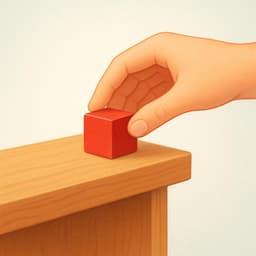
Quita el libro de la mesa.
Take the book off the table.
The Difference: Sacar is for removing something from *inside* another thing. Quitar is for removing something from *on top of* something else.
With "sacar":
El niño sacó la lengua a su hermana.
The boy stuck his tongue out at his sister.
With "quitar":
El padre le quitó el postre al niño.
The father took the dessert away from the boy.
The Difference: Sacar means to bring something out from inside (the mouth). Quitar means to take something away from someone's possession.
With "sacar":
Saca la ropa limpia del armario.
Take the clean clothes out of the closet.
With "quitar":
Quítate la ropa sucia.
Take off your dirty clothes.
The Difference: Use sacar to get clothes from their storage place. Use quitarse to remove the clothes you are currently wearing.
Common Mistakes
Quita la basura, por favor.
Saca la basura, por favor.
You take the trash 'out' of the house. Since it's about moving something from inside to outside, you use sacar.
Voy a sacar mi abrigo.
Voy a quitarme el abrigo.
To remove clothing from your body, use quitarse. 'Sacar mi abrigo' means you're taking it out of the closet.
Saca tus pies de la mesa.
Quita tus pies de la mesa.
Your feet are ON the table, not IN it. To remove something from a surface, use quitar.
Quick Practice
Quick Quiz: Sacar vs Quitar
Question 1 of 3
Which is correct to say 'Take off your hat'?
Related Grammar
Want to understand the grammar behind this pair? Explore these lessons for a deep dive:
Key Words

Tags
Build the instinct, not just the rule
Rules help you get it right; context makes it automatic. Read 200+ illustrated and narrated Spanish stories to see confusing pairs chosen correctly — over and over — until you stop thinking about it.
Frequently Asked Questions
Can 'quitar' and 'remover' be used interchangeably?
Sometimes, but 'quitar' is much more common in everyday speech. 'Remover' (to remove) sounds more formal or technical, like removing a component from a machine or a stain in a chemical process. When in doubt, 'quitar' is usually the safer, more natural choice.
Why is it 'quítate los zapatos' and not 'quita tus zapatos'?
When you're talking about removing something from your own body (clothing, accessories), Spanish uses a reflexive verb. 'Quitarse' means 'to take off oneself'. The 'te' in 'quítate' is the reflexive part that means 'yourself'. So you're literally saying 'Take the shoes off yourself'.