acariciar Conditional Conjugation
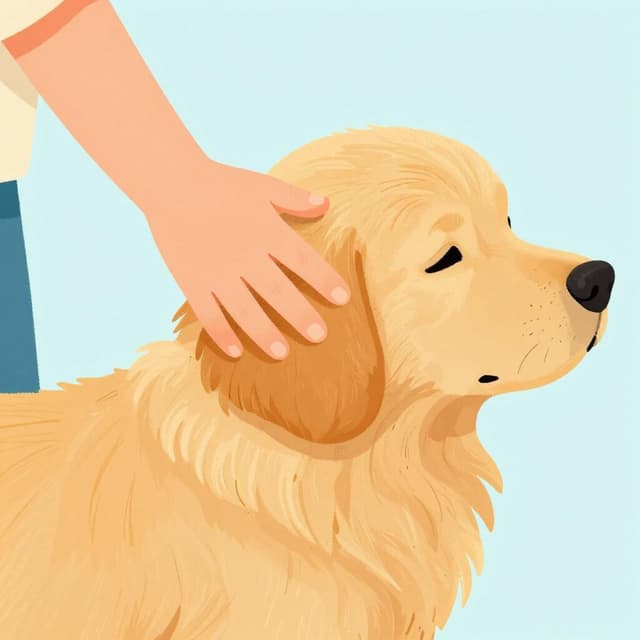
acariciar — to pet
Regular conditional forms like 'acariciaría' (yo) or 'acariciarían' (ellos/ellas/ustedes) express hypothetical petting ('would').
acariciar Conditional Forms
When to Use the Conditional
Use the conditional of 'acariciar' to talk about what you *would* do, polite requests, or possibilities. For example, 'Me gustaría acariciar a tu perro, si no fuera tan tímido' (I would like to pet your dog, if it weren't so shy) or '¿Podrías acariciar al gato por mí?' (Could you pet the cat for me?).
Notes on acariciar in the Conditional
'Acariciar' is regular in the conditional tense. The conditional stem is the full infinitive ('acariciar'), and you add the standard conditional endings: -ía, -ías, -ía, -íamos, -íais, -ían.
Example Sentences
Yo acariciaría al cachorro si me dejaran.
I would pet the puppy if they let me.
yo
¿Tú acariciarías a mi serpiente?
Would you pet my snake?
tú
Él acariciaría al animal herido con mucho cuidado.
He would pet the injured animal very carefully.
él/ella/usted
Ellos nos ayudarían a acariciar al burro.
They would help us pet the donkey.
ellos/ellas/ustedes
Common Mistakes
Mistake: Using the conditional for a definite future action.
Correct: 'Mañana acariciaría a tu perro' is usually wrong; use the future 'acariciaré' for definite future actions.
Why: The conditional is for hypothetical or uncertain situations ('would'), not for certain future events.
Mistake: Confusing the conditional ending '-ía' with the imperfect ending '-aba'.
Correct: The conditional form is 'acariciaría', not 'acariciaba'.
Why: These are distinct tenses with different meanings and conjugations.
Master Spanish verbs in context
Memorizing tables only gets you so far. Read 200+ illustrated and narrated Spanish stories to see verbs like 'acariciar' used naturally — in the tenses you're learning.
Related Tenses
Present
yo: acaricio
Regular present forms like 'acaricio' (yo) or 'acaricia' (él/ella/usted) describe current or habitual petting.
Preterite
yo: acaricié
Regular preterite forms like 'acaricié' (yo) or 'acarició' (él/ella/usted) mark completed actions of petting.
Imperfect
yo: acariciaba
Regular imperfect forms like 'acariciaba' (yo) or 'acariciaban' (ellos/ellas/ustedes) describe past ongoing or habitual petting.
Future
yo: acariciaré
Regular future forms like 'acariciaré' (yo) or 'acariciarán' (ellos/ellas/ustedes) indicate future petting actions.
Present Subjunctive
yo: acaricie
Use 'acaricie' (yo/él/ella/usted) or 'acaricies' (tú) for wishes, doubts, or emotions about petting.
Imperfect Subjunctive
yo: acariciara
Use 'acariciara' or 'acariciase' (yo/él/ella/usted) for past hypothetical or uncertain situations involving petting.
Affirmative Imperative
yo: acaricia
Use imperative forms like 'acaricia' (tú) or 'acaricie' (usted) for direct commands with 'acariciar'.
Negative Imperative
yo: no acaricies
Use 'no acaricies' (tú) or 'no acaricie' (usted) for negative commands with 'acariciar'.