acariciar Preterite Conjugation
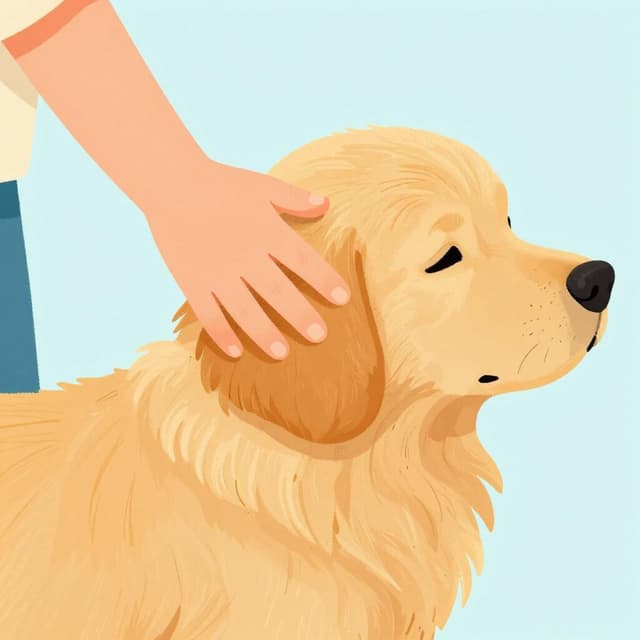
acariciar — to pet
Regular preterite forms like 'acaricié' (yo) or 'acarició' (él/ella/usted) mark completed actions of petting.
acariciar Preterite Forms
When to Use the Preterite
Use the preterite of 'acariciar' to talk about a specific, completed instance of petting something. For example, 'Ayer acaricié a tu perro por primera vez' (Yesterday I petted your dog for the first time) or 'El niño acarició al gatito una sola vez' (The child petted the kitten just once).
Notes on acariciar in the Preterite
'Acariciar' is a regular -ar verb and follows the standard preterite conjugation pattern perfectly: acaricié, acariciaste, acarició, acariciamos, acariciasteis, acariciaron.
Example Sentences
Ayer acaricié a tu cachorro.
Yesterday I petted your puppy.
yo
¿Acariciaste al caballo?
Did you pet the horse?
tú
Ella acarició al bebé en la mejilla.
She petted the baby on the cheek.
él/ella/usted
Los niños acariciaron a los conejos en la granja.
The children petted the rabbits on the farm.
ellos/ellas/ustedes
Common Mistakes
Mistake: Using the imperfect 'acariciaba' instead of the preterite 'acaricié' for a single past event.
Correct: 'Ayer acariciaba a tu perro' is usually wrong; 'Ayer acaricié a tu perro' is correct for a completed action.
Why: The preterite is for completed actions, while the imperfect describes ongoing or habitual past actions.
Mistake: Forgetting the accent on the 'yo' form.
Correct: The 'yo' form is 'acaricié', not 'acaricie'.
Why: The accent on the final 'é' is crucial to distinguish the preterite 'yo' form from the present subjunctive 'yo' form and indicates stress.
Master Spanish verbs in context
Memorizing tables only gets you so far. Read 200+ illustrated and narrated Spanish stories to see verbs like 'acariciar' used naturally — in the tenses you're learning.
Related Tenses
Present
yo: acaricio
Regular present forms like 'acaricio' (yo) or 'acaricia' (él/ella/usted) describe current or habitual petting.
Imperfect
yo: acariciaba
Regular imperfect forms like 'acariciaba' (yo) or 'acariciaban' (ellos/ellas/ustedes) describe past ongoing or habitual petting.
Future
yo: acariciaré
Regular future forms like 'acariciaré' (yo) or 'acariciarán' (ellos/ellas/ustedes) indicate future petting actions.
Conditional
yo: acariciaría
Regular conditional forms like 'acariciaría' (yo) or 'acariciarían' (ellos/ellas/ustedes) express hypothetical petting ('would').
Present Subjunctive
yo: acaricie
Use 'acaricie' (yo/él/ella/usted) or 'acaricies' (tú) for wishes, doubts, or emotions about petting.
Imperfect Subjunctive
yo: acariciara
Use 'acariciara' or 'acariciase' (yo/él/ella/usted) for past hypothetical or uncertain situations involving petting.
Affirmative Imperative
yo: acaricia
Use imperative forms like 'acaricia' (tú) or 'acaricie' (usted) for direct commands with 'acariciar'.
Negative Imperative
yo: no acaricies
Use 'no acaricies' (tú) or 'no acaricie' (usted) for negative commands with 'acariciar'.