acariciar Imperfect Conjugation
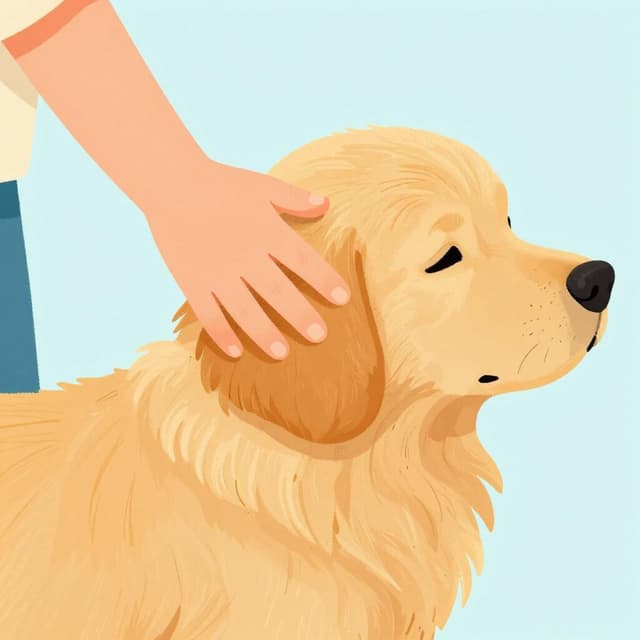
acariciar — to pet
Regular imperfect forms like 'acariciaba' (yo) or 'acariciaban' (ellos/ellas/ustedes) describe past ongoing or habitual petting.
acariciar Imperfect Forms
When to Use the Imperfect
Use the imperfect of 'acariciar' to describe actions that were happening repeatedly or continuously in the past, or to set the scene. For example, 'Cuando era niño, acariciaba a todos los perros que veía' (When I was a child, I used to pet all the dogs I saw) or 'El sol brillaba y ella acariciaba a su gato' (The sun was shining and she was petting her cat).
Notes on acariciar in the Imperfect
'Acariciar' is regular in the imperfect indicative. The conjugation follows the standard pattern for -ar verbs: acariciaba, acariciabas, acariciaba, acariciábamos, acariciabais, acariciaban.
Example Sentences
Yo acariciaba a mi perro cuando era pequeño.
I used to pet my dog when he was little.
yo
¿Tú acariciabas a los caballos en la granja?
Did you used to pet the horses on the farm?
tú
Ella acariciaba al gatito mientras le hablaba.
She was petting the kitten while she spoke to it.
él/ella/usted
Ellos acariciaban a sus mascotas con mucho cariño.
They petted their pets with great affection.
ellos/ellas/ustedes
Common Mistakes
Mistake: Using the imperfect 'acariciaba' for a single completed past action.
Correct: 'Ayer acariciaba al perro' is incorrect; 'Ayer acaricié al perro' is correct for a one-time event.
Why: The imperfect describes ongoing or habitual past actions, not single completed events.
Mistake: Confusing the nosotros imperfect 'acariciábamos' with the present 'acariciamos'.
Correct: Remember the accent on the 'á' in the imperfect: 'acariciábamos'.
Why: The accent marks the stressed syllable and distinguishes it from the present tense form.
Master Spanish verbs in context
Memorizing tables only gets you so far. Read 200+ illustrated and narrated Spanish stories to see verbs like 'acariciar' used naturally — in the tenses you're learning.
Related Tenses
Present
yo: acaricio
Regular present forms like 'acaricio' (yo) or 'acaricia' (él/ella/usted) describe current or habitual petting.
Preterite
yo: acaricié
Regular preterite forms like 'acaricié' (yo) or 'acarició' (él/ella/usted) mark completed actions of petting.
Future
yo: acariciaré
Regular future forms like 'acariciaré' (yo) or 'acariciarán' (ellos/ellas/ustedes) indicate future petting actions.
Conditional
yo: acariciaría
Regular conditional forms like 'acariciaría' (yo) or 'acariciarían' (ellos/ellas/ustedes) express hypothetical petting ('would').
Present Subjunctive
yo: acaricie
Use 'acaricie' (yo/él/ella/usted) or 'acaricies' (tú) for wishes, doubts, or emotions about petting.
Imperfect Subjunctive
yo: acariciara
Use 'acariciara' or 'acariciase' (yo/él/ella/usted) for past hypothetical or uncertain situations involving petting.
Affirmative Imperative
yo: acaricia
Use imperative forms like 'acaricia' (tú) or 'acaricie' (usted) for direct commands with 'acariciar'.
Negative Imperative
yo: no acaricies
Use 'no acaricies' (tú) or 'no acaricie' (usted) for negative commands with 'acariciar'.