acechar Affirmative Imperative Conjugation
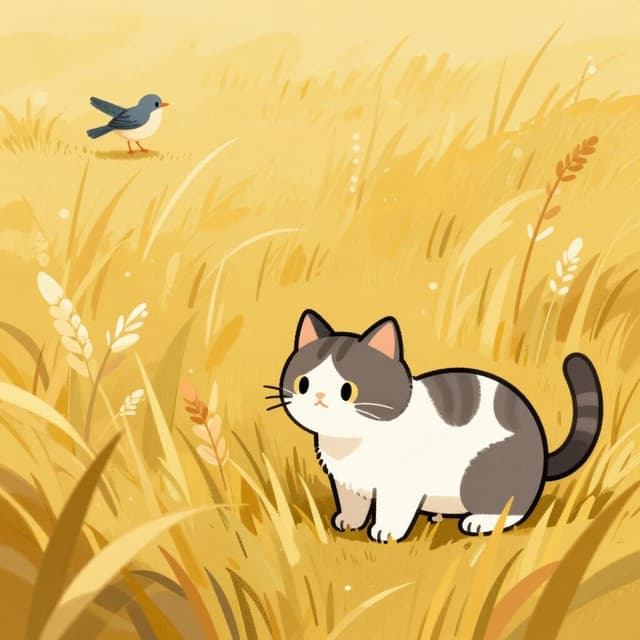
acechar — to stalk
Use 'acecha' for tú commands, 'aceche' for usted, 'acechemos' for nosotros, 'acechad' for vosotros, and 'acechen' for ustedes.
acechar Affirmative Imperative Forms
When to Use the Affirmative Imperative
The imperative is for direct commands. Use 'acecha' for a friend, 'aceche' for someone you don't know well, and the plural forms for groups.
Notes on acechar in the Affirmative Imperative
Acechar is regular in the affirmative imperative. The tú form 'acecha' is the same as the present indicative.
Example Sentences
¡Acecha al gato, que se escapa!
Stalk the cat, it's escaping!
tú
¡Acechen a los sospechosos con cuidado!
Stalk the suspects carefully!
ustedes
Acechemos al objetivo desde lejos.
Let's stalk the target from afar.
nosotros
Acechad al ladrón antes de que huya.
Stalk the thief before he flees.
vosotros
Common Mistakes
Mistake: Using the subjunctive form 'aceches' for a tú command.
Correct: The command for tú is 'acecha', not 'aceches'.
Why: 'Aceches' is the negative tú command form or used in other subjunctive contexts.
Mistake: Confusing usted and tú commands.
Correct: Remember 'acecha' for informal commands (tú) and 'aceche' for formal (usted).
Why: Using the wrong formality level can sound rude or overly familiar.
Master Spanish verbs in context
Memorizing tables only gets you so far. Read 200+ illustrated and narrated Spanish stories to see verbs like 'acechar' used naturally — in the tenses you're learning.
Related Tenses
Present
yo: acecho
The present indicative (acecho, acechas, acecha, acechamos, acecháis, acechan) describes current actions, habits, or general truths.
Preterite
yo: aceché
The preterite of acechar is regular: aceché, acechaste, acechó, acechamos, acechasteis, acecharon.
Imperfect
yo: acechaba
The imperfect (acechaba, acechabas, etc.) describes ongoing or habitual past actions, and background settings.
Future
yo: acecharé
The future tense (acecharé, acecharás, etc.) indicates actions that will happen or expresses probability.
Conditional
yo: acecharía
The conditional (acecharía, acecharías, etc.) is used for hypotheticals ('would stalk'), polite requests, and future-in-the-past.
Present Subjunctive
yo: aceche
The present subjunctive (aceche, aceches, etc.) follows expressions of doubt, desire, emotion, or uncertainty.
Imperfect Subjunctive
yo: acechara
The imperfect subjunctive (acechara/acechase) expresses past hypotheticals, wishes, or doubts.
Negative Imperative
yo: no aceches
Negative commands use 'no' plus the present subjunctive: no aceches (tú), no aceche (usted), no acechemos (nosotros), no acechéis (vosotros), no acechen (ustedes).