acechar Imperfect Subjunctive Conjugation
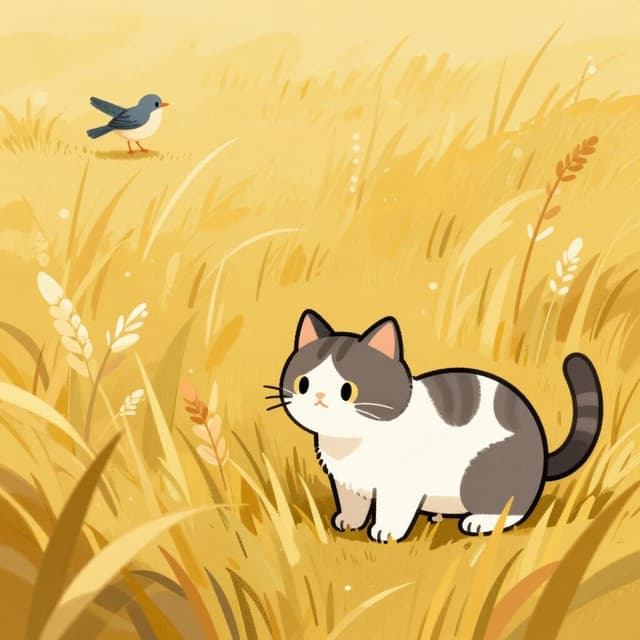
acechar — to stalk
The imperfect subjunctive (acechara/acechase) expresses past hypotheticals, wishes, or doubts.
acechar Imperfect Subjunctive Forms
When to Use the Imperfect Subjunctive
This tense is often used in 'if' clauses referring to unreal or unlikely situations in the past, or after verbs expressing doubt or desire about past events.
Notes on acechar in the Imperfect Subjunctive
Acechar is regular in the imperfect subjunctive. Both the -ra (acechara) and -se (acechase) forms are correct, with -ra often preferred.
Example Sentences
Si yo hubiera sabido que me acechabas, me habría escondido.
If I had known you were stalking me, I would have hidden.
tú
Me pidió que no lo acechara.
He asked me not to stalk him.
yo
Dudaba que nos acecharan.
I doubted they were stalking us.
ellos/ellas/ustedes
Era como si alguien nos acechara desde las sombras.
It was as if someone were stalking us from the shadows.
él/ella/usted
Common Mistakes
Mistake: Using the preterite instead of imperfect subjunctive in 'if' clauses.
Correct: For hypothetical past situations, use the imperfect subjunctive (e.g., 'Si acechara...').
Why: The preterite refers to completed actions, while the imperfect subjunctive deals with unreal conditions.
Mistake: Confusing the -ra and -se endings.
Correct: Both 'acechara' and 'acechase' are correct for the yo/él/ella/usted form. Choose one and be consistent, or use -ra as it's more common.
Why: While interchangeable, regional preferences and style guides might favor one over the other.
Master Spanish verbs in context
Memorizing tables only gets you so far. Read 200+ illustrated and narrated Spanish stories to see verbs like 'acechar' used naturally — in the tenses you're learning.
Related Tenses
Present
yo: acecho
The present indicative (acecho, acechas, acecha, acechamos, acecháis, acechan) describes current actions, habits, or general truths.
Preterite
yo: aceché
The preterite of acechar is regular: aceché, acechaste, acechó, acechamos, acechasteis, acecharon.
Imperfect
yo: acechaba
The imperfect (acechaba, acechabas, etc.) describes ongoing or habitual past actions, and background settings.
Future
yo: acecharé
The future tense (acecharé, acecharás, etc.) indicates actions that will happen or expresses probability.
Conditional
yo: acecharía
The conditional (acecharía, acecharías, etc.) is used for hypotheticals ('would stalk'), polite requests, and future-in-the-past.
Present Subjunctive
yo: aceche
The present subjunctive (aceche, aceches, etc.) follows expressions of doubt, desire, emotion, or uncertainty.
Affirmative Imperative
yo: acecha
Use 'acecha' for tú commands, 'aceche' for usted, 'acechemos' for nosotros, 'acechad' for vosotros, and 'acechen' for ustedes.
Negative Imperative
yo: no aceches
Negative commands use 'no' plus the present subjunctive: no aceches (tú), no aceche (usted), no acechemos (nosotros), no acechéis (vosotros), no acechen (ustedes).