alternar Present Conjugation
alternar — to alternate
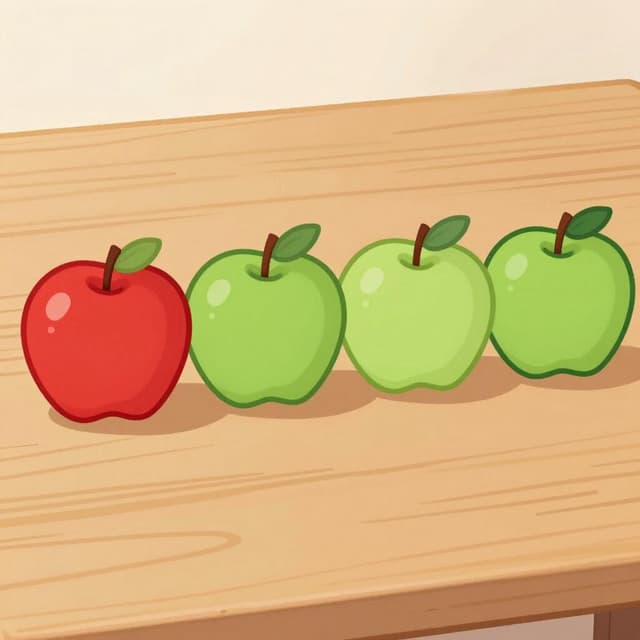
The present tense 'alterno', 'alternas', 'alterna', 'alternamos', 'alternáis', 'alternan' describes habitual actions, current actions, and general truths.
alternar Present Forms
When to Use the Present
Use the present tense for actions happening right now, habitual actions, or general truths. For 'alternar,' it's about things that regularly switch or alternate, or something happening now.
Notes on alternar in the Present
Alternar is a regular -ar verb in the present indicative tense. All forms are conjugated according to the standard rules.
Example Sentences
Yo alterno entre dos trabajos diferentes.
I alternate between two different jobs.
yo
Tú alternas las palabras para no aburrir.
You alternate words to avoid boredom.
tú
El semáforo alterna entre rojo y verde.
The traffic light alternates between red and green.
él/ella/usted
Nosotros alternamos las visitas al parque y a la playa.
We alternate visits to the park and the beach.
nosotros
Ellos alternan el mando del coche.
They alternate driving the car.
ellos/ellas/ustedes
Common Mistakes
Mistake: Using the present tense for completed past actions.
Correct: For completed past actions, use the preterite tense (e.g., 'alterné').
Why: The present tense is for ongoing or habitual actions, not finished ones.
Mistake: Confusing the 'nosotros' form with the preterite.
Correct: The present 'nosotros' form is 'alternamos', same as the preterite. Context usually clarifies.
Why: This is a common point of confusion for regular -ar verbs.
Master Spanish verbs in context
Memorizing tables only gets you so far. Read 200+ illustrated and narrated Spanish stories to see verbs like 'alternar' used naturally — in the tenses you're learning.
Related Tenses
Preterite
yo: alterné
The preterite of 'alternar' is regular: alterné, alternaste, alternó, alternamos, alternasteis, alternaron.
Imperfect
yo: alternaba
The imperfect 'alternaba', 'alternabas', 'alternaba', 'alternábamos', 'alternabais', 'alternaban' describes habitual or ongoing past actions.
Future
yo: alternaré
The future tense 'alternaré', 'alternarás', 'alternará', 'alternaremos', 'alternaréis', 'alternarán' indicates actions that will happen.
Conditional
yo: alternaría
The conditional 'alternaría', 'alternarías', 'alternaría', 'alternaríamos', 'alternaríais', 'alternarían' expresses hypotheticals ('would') and polite requests.
Present Subjunctive
yo: alterne
The present subjunctive (alterne, alternes, alternemos, alternen, alternéis) is used after expressions of doubt, desire, emotion, or uncertainty.
Imperfect Subjunctive
yo: alternara
The imperfect subjunctive (alternara/alternase) is used for past hypotheticals, wishes, and polite requests.
Affirmative Imperative
yo: alterna
Use 'alterna' (tú), 'alterne' (usted), 'alternemos' (nosotros), 'alternen' (ustedes), 'alternad' (vosotros) for direct commands.
Negative Imperative
yo: no alternes
Negative commands use 'no' + present subjunctive: 'no alternes' (tú), 'no alterne' (usted), 'no alternemos' (nosotros), 'no alternen' (ustedes), 'no alternéis' (vosotros).