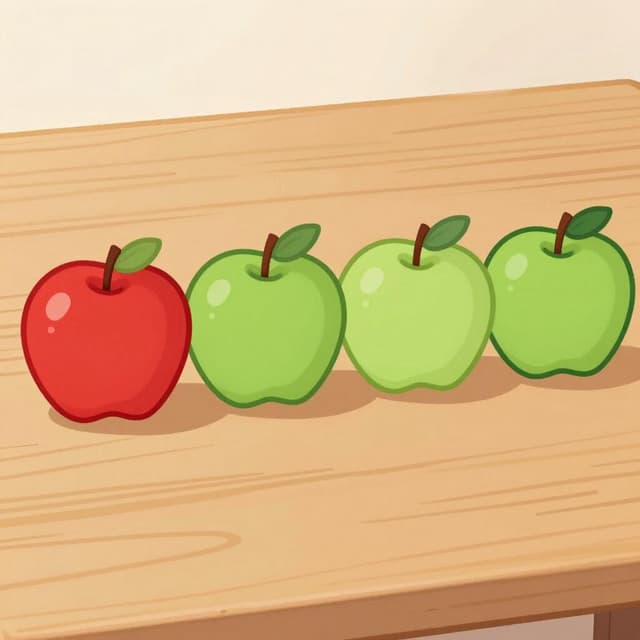
alternar Preterite Conjugation
alternar — to alternate
The preterite of 'alternar' is regular: alterné, alternaste, alternó, alternamos, alternasteis, alternaron.
alternar Preterite Forms
When to Use the Preterite
Use the preterite for completed actions in the past where the focus is on the beginning or end. For 'alternar,' this means successfully switching between things at a specific past moment or for a defined period.
Notes on alternar in the Preterite
Alternar is a regular -ar verb and follows all standard conjugation patterns in the preterite tense. The nosotros form 'alternamos' is identical to the present tense, so context is key.
Example Sentences
Ayer alterné el ejercicio con el estudio.
Yesterday I alternated exercise with studying.
yo
¿Alternaste la ropa antes de lavarla?
Did you alternate the clothes before washing them?
tú
Ella alternó los colores en la pared.
She alternated the colors on the wall.
él/ella/usted
Los niños alternaron turnos para jugar.
The children alternated turns to play.
ellos/ellas/ustedes
Common Mistakes
Mistake: Using the imperfect instead of the preterite for a single, completed action.
Correct: For a specific instance of alternating, use the preterite like 'alterné'.
Why: The imperfect describes ongoing or habitual past actions, not single completed events.
Mistake: Forgetting the accent on the 'yo' form.
Correct: The 'yo' preterite form is 'alterné', with an accent on the final 'é'.
Why: The accent is crucial for distinguishing the preterite 'yo' form and indicating stress.
Master Spanish verbs in context
Memorizing tables only gets you so far. Read 200+ illustrated and narrated Spanish stories to see verbs like 'alternar' used naturally — in the tenses you're learning.
Related Tenses
Present
yo: alterno
The present tense 'alterno', 'alternas', 'alterna', 'alternamos', 'alternáis', 'alternan' describes habitual actions, current actions, and general truths.
Imperfect
yo: alternaba
The imperfect 'alternaba', 'alternabas', 'alternaba', 'alternábamos', 'alternabais', 'alternaban' describes habitual or ongoing past actions.
Future
yo: alternaré
The future tense 'alternaré', 'alternarás', 'alternará', 'alternaremos', 'alternaréis', 'alternarán' indicates actions that will happen.
Conditional
yo: alternaría
The conditional 'alternaría', 'alternarías', 'alternaría', 'alternaríamos', 'alternaríais', 'alternarían' expresses hypotheticals ('would') and polite requests.
Present Subjunctive
yo: alterne
The present subjunctive (alterne, alternes, alternemos, alternen, alternéis) is used after expressions of doubt, desire, emotion, or uncertainty.
Imperfect Subjunctive
yo: alternara
The imperfect subjunctive (alternara/alternase) is used for past hypotheticals, wishes, and polite requests.
Affirmative Imperative
yo: alterna
Use 'alterna' (tú), 'alterne' (usted), 'alternemos' (nosotros), 'alternen' (ustedes), 'alternad' (vosotros) for direct commands.
Negative Imperative
yo: no alternes
Negative commands use 'no' + present subjunctive: 'no alternes' (tú), 'no alterne' (usted), 'no alternemos' (nosotros), 'no alternen' (ustedes), 'no alternéis' (vosotros).