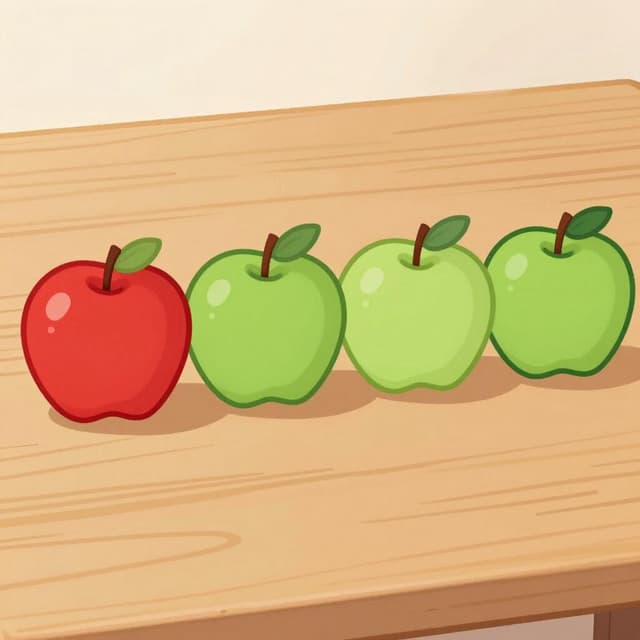
alternar Present Subjunctive Conjugation
alternar — to alternate
The present subjunctive (alterne, alternes, alternemos, alternen, alternéis) is used after expressions of doubt, desire, emotion, or uncertainty.
alternar Present Subjunctive Forms
When to Use the Present Subjunctive
Use the present subjunctive when the main clause expresses doubt, desire, emotion, necessity, or uncertainty, and the subject changes in the subordinate clause. For 'alternar,' it's when you want someone to alternate, hope they alternate, or doubt they alternate.
Notes on alternar in the Present Subjunctive
Alternar is regular in the present subjunctive. It follows the pattern of regular -ar verbs: remove -ar and add the subjunctive endings (-e, -es, -e, -emos, -éis, -en).
Example Sentences
Espero que alternes tus actividades diarias.
I hope you alternate your daily activities.
tú
Dudo que él alterne su dieta tan fácilmente.
I doubt he alternates his diet so easily.
él/ella/usted
Queremos que alternemos los turnos de trabajo.
We want us to alternate the work shifts.
nosotros
Es importante que ustedes alternen los materiales de estudio.
It's important that you alternate the study materials.
ellos/ellas/ustedes
Common Mistakes
Mistake: Using the present indicative instead of the present subjunctive.
Correct: After verbs of wishing, doubting, or emotion, use the present subjunctive: 'Espero que alternes'.
Why: The indicative states facts, while the subjunctive expresses subjectivity, desire, or uncertainty.
Mistake: Forgetting the 'yo' and 'él/ella/usted' forms are the same in the present subjunctive.
Correct: The 'yo' form ('alterne') and the 'él/ella/usted' form ('alterne') are identical.
Why: This can lead to confusion about which subject is performing the action.
Master Spanish verbs in context
Memorizing tables only gets you so far. Read 200+ illustrated and narrated Spanish stories to see verbs like 'alternar' used naturally — in the tenses you're learning.
Related Tenses
Present
yo: alterno
The present tense 'alterno', 'alternas', 'alterna', 'alternamos', 'alternáis', 'alternan' describes habitual actions, current actions, and general truths.
Preterite
yo: alterné
The preterite of 'alternar' is regular: alterné, alternaste, alternó, alternamos, alternasteis, alternaron.
Imperfect
yo: alternaba
The imperfect 'alternaba', 'alternabas', 'alternaba', 'alternábamos', 'alternabais', 'alternaban' describes habitual or ongoing past actions.
Future
yo: alternaré
The future tense 'alternaré', 'alternarás', 'alternará', 'alternaremos', 'alternaréis', 'alternarán' indicates actions that will happen.
Conditional
yo: alternaría
The conditional 'alternaría', 'alternarías', 'alternaría', 'alternaríamos', 'alternaríais', 'alternarían' expresses hypotheticals ('would') and polite requests.
Imperfect Subjunctive
yo: alternara
The imperfect subjunctive (alternara/alternase) is used for past hypotheticals, wishes, and polite requests.
Affirmative Imperative
yo: alterna
Use 'alterna' (tú), 'alterne' (usted), 'alternemos' (nosotros), 'alternen' (ustedes), 'alternad' (vosotros) for direct commands.
Negative Imperative
yo: no alternes
Negative commands use 'no' + present subjunctive: 'no alternes' (tú), 'no alterne' (usted), 'no alternemos' (nosotros), 'no alternen' (ustedes), 'no alternéis' (vosotros).