amarrar Imperfect Conjugation
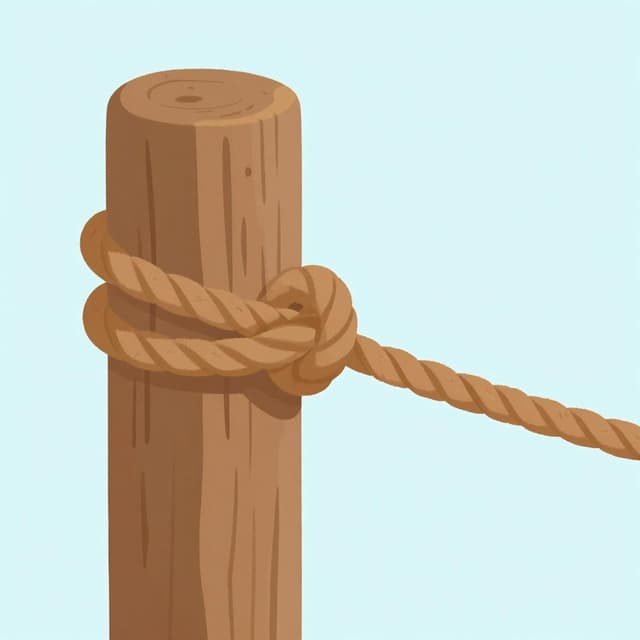
amarrar — to tie
The imperfect of amarrar is amarraba, amarrabas, amarraba, amarrábamos, amarrabais, amarraban, used for ongoing or habitual past actions.
amarrar Imperfect Forms
When to Use the Imperfect
Use the imperfect tense for actions that were happening continuously in the past, habitual actions in the past, or to set the scene. For 'amarrar', it could describe repeatedly tying something or the state of being tied.
Notes on amarrar in the Imperfect
Amarra is regular in the imperfect. The stem is always 'amarraba-'.
Example Sentences
Yo amarraba los caballos todas las mañanas.
I used to tie the horses every morning.
yo
Cuando éramos niños, amarrabas los juguetes a una cuerda.
When we were kids, you used to tie toys to a string.
tú
El nudo se amarraba solo con el viento.
The knot was tying itself with the wind.
él/ella/usted
Ellos amarraban sus barcos al mismo tiempo cada día.
They used to tie up their boats at the same time every day.
ellos/ellas/ustedes
Common Mistakes
Mistake: Using the preterite ('amarró') instead of the imperfect ('amarraba') for a description or ongoing past action.
Correct: For background or repeated actions, use the imperfect: 'Amarraba la capa cuando llegó'.
Why: The preterite is for completed actions, not ongoing descriptions.
Mistake: Confusing the imperfect 'amarraba' with the present 'amarra'.
Correct: Remember the '-ba-' ending signifies past tense.
Why: The phonetic similarity can sometimes lead to errors.
Master Spanish verbs in context
Memorizing tables only gets you so far. Read 200+ illustrated and narrated Spanish stories to see verbs like 'amarrar' used naturally — in the tenses you're learning.
Related Tenses
Present
yo: amarro
The present indicative of amarrar is amarro, amarras, amarra, amarrámos, amarráis, amarran, used for current or habitual actions.
Preterite
yo: amarré
The preterite of amarrar is regular: amarré, amarraste, amarró, amarraron, used for completed past actions.
Future
yo: amarraré
The future of amarrar is amarraré, amarrarás, amarrará, amarraremos, amarraréis, amarrarán, used for actions that will happen.
Conditional
yo: amarraría
The conditional of amarrar is amarraría, amarrarías, amarraría, amarraríamos, amarraríais, amarrarían, used for hypotheticals and polite requests.
Present Subjunctive
yo: amarre
The present subjunctive of amarrar is amarre, amarres, amarre, amarremos, amarréis, amarren, used after wishes, doubts, and emotions.
Imperfect Subjunctive
yo: amarrara
The imperfect subjunctive of amarrar has two forms (amarrara/amarrase) used for past hypotheticals and wishes.
Affirmative Imperative
yo: amarra
The imperative of amarrar uses regular -ar endings: amarra, amarre, amarremos, amarrad, amarren.
Negative Imperative
yo: no amarres
Negative commands for amarrar use 'no' plus the present subjunctive: no amarres, no amarre, no amarremos, no amarréis, no amarren.