arrebatar Future Conjugation
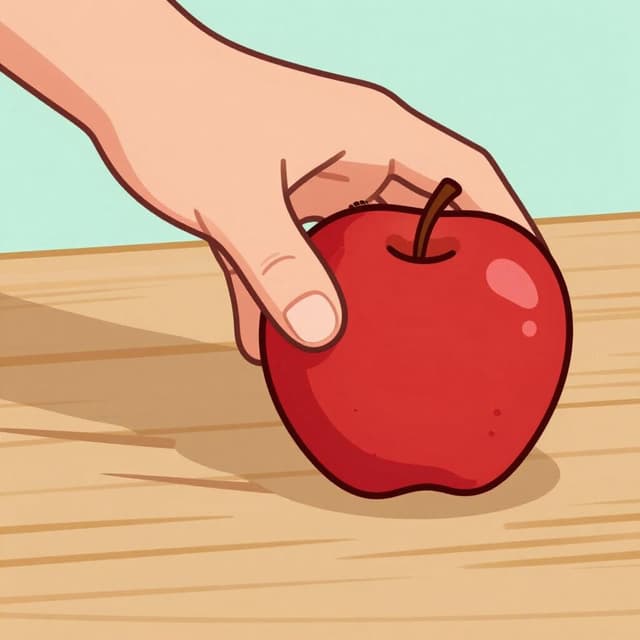
arrebatar — to snatch
Use future forms like 'arrebataré' and 'arrebatarán' for actions that will happen.
arrebatar Future Forms
When to Use the Future
The future tense is for events that will occur after the present moment. It can also express probability or conjecture. For example, 'Mañana arrebataré el primer puesto' (Tomorrow I will snatch first place).
Notes on arrebatar in the Future
Arrebatar is regular in the future tense. The entire infinitive 'arrebatar' serves as the stem.
Example Sentences
Ella arrebatará el liderazgo pronto.
She will snatch the leadership soon.
él/ella/usted
Nosotros arrebateremos la victoria.
We will snatch the victory.
nosotros
¿Arrebatarás mi corazón para siempre?
Will you snatch my heart forever?
tú
Ellos arrebatarán el primer premio.
They will snatch the first prize.
ellos/ellas/ustedes
Common Mistakes
Mistake: Using the present tense instead of the future.
Correct: For definite future actions, use future forms like 'arrebataré', 'arrebatarás', etc.
Why: The present tense can sometimes imply future, but the dedicated future tense is clearer and more common for planned events.
Mistake: Forgetting the accent on the future endings.
Correct: Remember the accent on the final syllable for most future forms: 'arrebataré', 'arrebatarás', 'arrebatará', 'arrebatarán'.
Why: The accent is required on these endings.
Master Spanish verbs in context
Memorizing tables only gets you so far. Read 200+ illustrated and narrated Spanish stories to see verbs like 'arrebatar' used naturally — in the tenses you're learning.
Related Tenses
Present
yo: arrebato
Use present forms like 'arrebato' and 'arrebatan' for habitual actions or things happening now.
Preterite
yo: arrebaté
Use preterite forms like 'arrebaté' and 'arrebataron' for completed actions in the past.
Imperfect
yo: arrebataba
Use imperfect forms like 'arrebataba' and 'arrebataban' for ongoing or habitual past actions.
Conditional
yo: arrebataría
Use conditional forms like 'arrebataría' and 'arrebatarían' for hypothetical situations ('would').
Present Subjunctive
yo: arrebate
Use present subjunctive forms like 'arrebate' and 'arrebaten' after expressions of doubt, desire, or emotion.
Imperfect Subjunctive
yo: arrebatara
Use imperfect subjunctive forms like 'arrebatara' or 'arrebatase' for past hypotheticals or wishes.
Affirmative Imperative
yo: arrebata
Use imperative forms like 'arrebata' and 'arrebatad' for direct commands.
Negative Imperative
yo: no arrebates
Use negative commands like 'no arrebates' and 'no arrebaten' with the present subjunctive.